Knowing when to schedule commercial heating repair can help you address equipment problems before they disrupt your business. A heating system rarely goes from working perfectly to failing without any warning. You might notice uneven temperatures, longer heating cycles, unusual noises, or rising utility bills. Although these problems sometimes develop gradually, they can signal mechanical failures that require professional attention. At Efficiency Plumbing, Heating & Air, we help businesses in Hanover, MA, and surrounding South Shore communities identify heating problems and determine the appropriate repairs. Recognizing these warning signs helps you make informed decisions about your building’s comfort and equipment.
Why Commercial Heating Repair Shouldn’t Be Delayed
Commercial heating equipment often serves larger spaces and operates for longer periods than residential systems. Whether your building relies on furnaces, boilers, heat pumps, or rooftop units, consistent performance matters for daily operations. When equipment begins struggling, employees and customers may notice temperature changes before the system stops working entirely. However, discomfort isn’t the only concern. A malfunctioning heating system can use more energy, place additional strain on components, and eventually require more extensive repairs.
For business owners and facility managers, identifying problems early provides more flexibility when arranging service. Some failures also involve safety controls that require professional evaluation, making timely attention particularly important. Instead of waiting for a complete shutdown, scheduling an assessment allows you to understand the problem and determine which repairs deserve priority. This approach can also help minimize disruptions to employees, customers, and daily business activities.
Uneven Temperatures Throughout Your Building
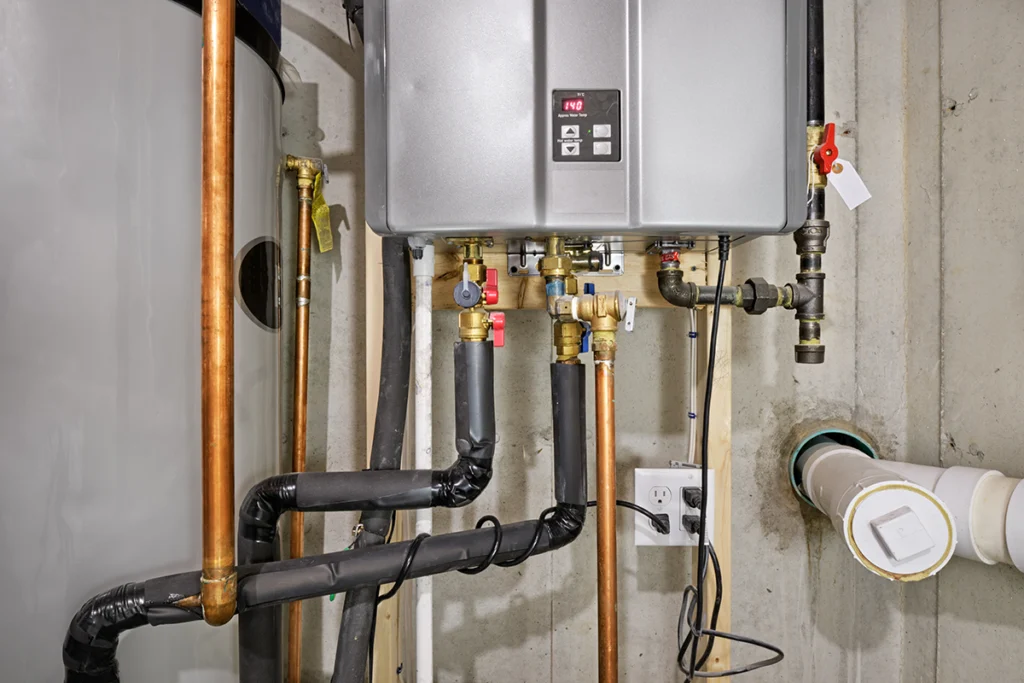
One of the earliest signs of commercial heating trouble is inconsistent indoor temperature. You might notice comfortable offices near the thermostat while conference rooms, hallways, or customer areas remain unusually cold. Although building layouts naturally create different heating demands, significant temperature differences may indicate a system problem. Restricted airflow, failing zone controls, damaged ductwork, or improperly operating dampers can all affect heat distribution. In buildings with boilers, circulation problems may leave certain heating zones without adequate warmth.
Additionally, commercial properties often use multiple thermostats or building automation controls. If one sensor provides inaccurate readings, the system may respond incorrectly even when the heating equipment itself works. When we investigate uneven heating, we evaluate how the system distributes warmth throughout the property rather than focusing on one uncomfortable room. This helps us identify whether the problem involves controls, airflow, or the heating equipment itself.
Commercial Heating Repair for Frequent Cycling
A heating system that repeatedly starts and stops may be experiencing short cycling. Although operating cycles vary by equipment and heating demand, unusually frequent shutdowns can indicate a developing problem. For example, a commercial furnace may shut off when restricted airflow causes overheating. A faulty temperature sensor, malfunctioning control board, or improperly sized system can create similar symptoms. Meanwhile, boiler systems may cycle excessively because of control settings, circulation problems, or other operating conditions.
Frequent cycling can increase equipment wear and interfere with consistent indoor temperatures. Consequently, the system may struggle to maintain comfort despite repeatedly attempting to heat the building. Rather than assuming one component is responsible, we evaluate operating temperatures, controls, safety devices, and heating demand. Understanding why the equipment cycles incorrectly helps determine the appropriate repair.
Unusual Noises From Heating Equipment
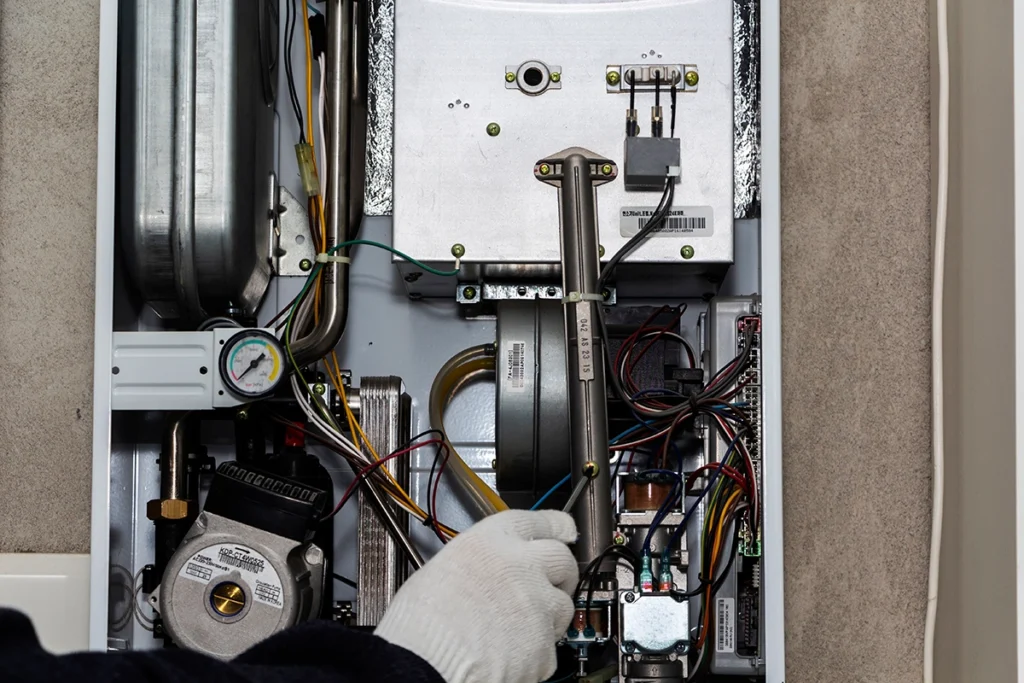
Commercial heating systems produce some noise during normal operation, but sudden changes deserve attention. Grinding, rattling, banging, or persistent buzzing may indicate loose components, mechanical wear, or electrical problems. For example, worn blower bearings can create grinding sounds, while damaged belts may cause squealing or vibration. Boilers may also produce unusual noises when circulation problems, trapped air, or internal deposits interfere with normal operation.
However, the location and timing of the sound matter. A brief noise during startup may have a different cause than persistent vibration throughout the heating cycle. When we evaluate noisy equipment, we consider the affected components and overall operating conditions rather than diagnosing the problem based on sound alone. Identifying the source helps us recommend repairs before additional mechanical damage develops.
Rising Energy Bills Without Increased Usage
An unexpected increase in heating expenses may indicate that your commercial system is operating less efficiently. Although colder weather naturally increases heating demand, unusually high bills deserve closer attention when building usage hasn’t changed. Dirty filters, incorrect thermostat schedules, failing components, and restricted airflow can all contribute to unnecessary energy consumption. For example, a system might run longer because a malfunctioning control keeps it from reaching the requested temperature efficiently.
According to the U.S. Department of Energy, commercial buildings can reduce energy consumption by matching HVAC operating schedules to occupancy and optimizing heating controls. However, energy bills alone cannot identify a specific equipment failure. We consider building usage, operating schedules, equipment condition, and heating performance before recommending repairs or adjustments. This helps distinguish mechanical problems from changes in how the property is being used.
Commercial Heating Repair for Weak Airflow
Weak airflow can make a commercial building uncomfortable even when the heating equipment produces adequate warmth. Some rooms may receive little heated air, while others experience normal temperatures. In forced-air systems, dirty filters, damaged blower components, loose belts, or duct restrictions can reduce circulation. Additionally, malfunctioning dampers may direct insufficient airflow toward occupied areas, creating noticeable temperature differences throughout the property.
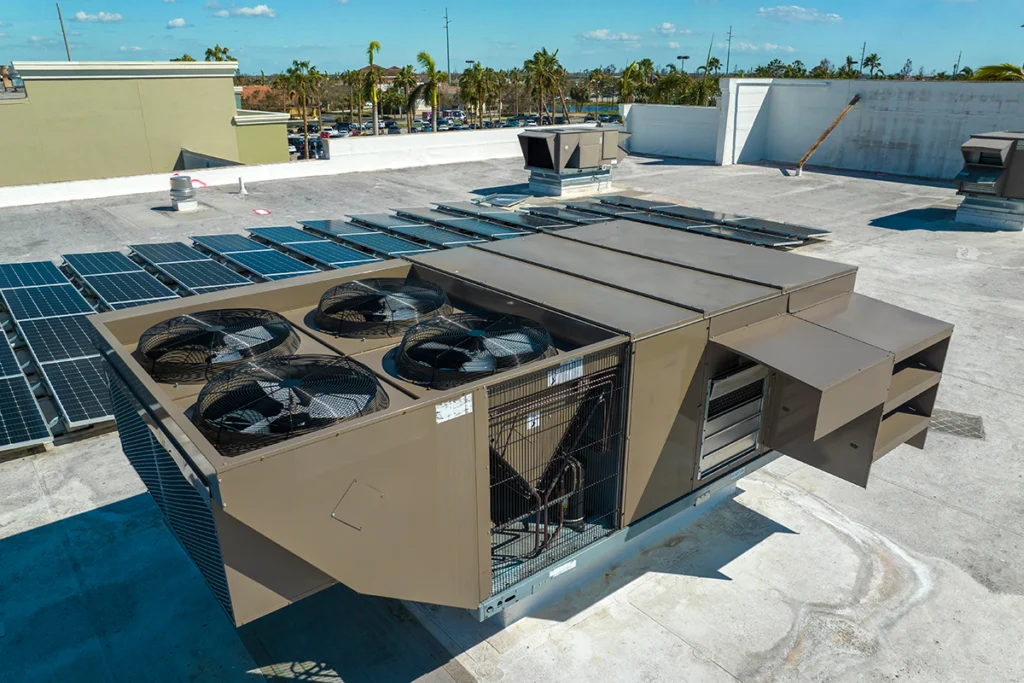
The problem becomes particularly noticeable in buildings with extensive ductwork or multiple heating zones. Consequently, employees may adjust thermostats repeatedly without achieving comfortable conditions. If the issue involves rooftop equipment, heating failures can also originate from blower malfunctions, controls, or restricted airflow. A professional evaluation helps determine whether the heating equipment or air distribution system needs attention.
Heating Systems That Run Constantly
A commercial heating system that rarely shuts off may be struggling to satisfy the building’s heating demand. While extended operation can be normal during exceptionally cold weather, continuous running accompanied by poor comfort deserves investigation. Several conditions can cause this behavior, including malfunctioning thermostats, undersized equipment, building heat loss, or declining heating capacity. Heat pumps can also experience reduced output because of refrigerant or component problems.
However, equipment runtime must be evaluated in context because some variable-capacity systems are designed to operate for longer periods at lower output. This can be completely normal and may even support more efficient operation. When we assess a system that runs constantly, we compare its actual performance with the manufacturer’s intended operation. This helps distinguish genuine equipment problems from normal behavior during demanding weather conditions.
Strange Odors and Safety Concerns
Unusual odors deserve attention, particularly when commercial heating equipment uses natural gas, oil, or another combustible fuel. A brief dusty smell during initial seasonal operation may be harmless, but persistent burning odors require professional investigation. Electrical components can also produce unusual smells when wiring overheats or insulation becomes damaged. Meanwhile, combustion and venting problems may create serious safety concerns without producing any noticeable odor.
The Occupational Safety and Health Administration explains that carbon monoxide is a colorless, odorless gas that can cause serious illness or death. Fuel-burning equipment must operate with appropriate combustion conditions and ventilation. If a carbon monoxide alarm sounds, evacuate the building and contact emergency services. Likewise, if you suspect a gas leak, leave the affected area and notify your gas utility or emergency responders. Never attempt to bypass heating safety controls or continue operating equipment suspected of having a dangerous combustion problem.
Commercial Heating Repair After Repeated Shutdowns
When heating equipment repeatedly shuts down, the problem may involve more than an inconvenient interruption. Modern systems contain protective controls that stop operation when certain conditions fall outside acceptable limits. For example, a gas-fired heating unit may enter a safety lockout after an ignition failure. A boiler may shut down because of pressure problems, while a heat pump can stop operating after certain electrical or refrigerant-related faults.
Although restarting the system may temporarily restore heat, repeated resets can obscure the underlying problem. Some equipment also restricts restart attempts to protect components and occupants. When we diagnose recurring shutdowns, we review available fault information and evaluate the relevant operating components. Identifying the cause is essential before determining whether the system can safely return to service.
How Maintenance Supports Reliable Heating
Routine maintenance gives commercial property managers an opportunity to identify equipment concerns before they result in unexpected service interruptions. During scheduled inspections, technicians evaluate operating components, controls, airflow, and overall heating performance. However, maintenance needs vary depending on the equipment. A commercial boiler requires different inspections than a packaged rooftop unit or heat pump system. Building occupancy, equipment age, and operating hours also influence service frequency.
A structured commercial HVAC maintenance schedule can help identify worn components and performance changes. Although routine service cannot eliminate every breakdown, it supports more predictable operation. Maintenance also provides useful information when planning future equipment upgrades. Tracking repair history and recurring problems helps facility managers evaluate long-term operating costs and determine when replacement may become more practical.
When Repair Makes More Sense Than Replacement
Not every commercial heating problem means the equipment needs replacement. A faulty thermostat, damaged blower component, or malfunctioning control may be repairable without replacing the entire system. However, equipment age, repair history, and overall condition influence the decision. Repeated breakdowns and extensive component damage may make continued repairs less practical, particularly when replacement parts become difficult to obtain.
Energy performance should also be considered. Older equipment may operate less efficiently than newer systems, although replacement savings depend on proper sizing, installation, and operating conditions. When evaluating repair options, we consider the equipment’s condition and the scope of the problem rather than recommending replacement based on age alone. Our commercial heating services support businesses seeking practical solutions for equipment performance and reliability.
Schedule Commercial Heating Repair in Hanover, MA
Recognizing when commercial heating repair is necessary helps business owners respond to problems before they create larger disruptions. Uneven temperatures, abnormal noises, repeated shutdowns, and poor heating performance all deserve attention.
At Efficiency Plumbing, Heating & Air, we provide commercial heating services for businesses throughout Hanover, MA, and the surrounding South Shore. Our team evaluates heating equipment, identifies malfunctioning components, and recommends repairs based on the system’s condition.
Whether your property relies on a furnace, boiler, heat pump, or rooftop unit, reliable heating supports comfortable daily operations. Contact Efficiency Plumbing, Heating & Air to schedule professional service and discuss your building’s heating concerns.
Frequently Asked Questions
What are the most common signs you need commercial heating repair?
Common warning signs include uneven temperatures, unusual equipment noises, frequent cycling, weak airflow, rising energy bills, and repeated shutdowns. These symptoms may indicate mechanical, electrical, or control problems that require professional diagnosis.
How often should commercial heating systems be serviced?
Service frequency depends on equipment type, operating hours, manufacturer recommendations, and building conditions. Many commercial systems benefit from seasonal inspections, while heavily used equipment may require more frequent attention.
Can commercial heating problems increase energy bills?
Yes. Restricted airflow, malfunctioning controls, and declining equipment performance can increase energy consumption. However, energy costs also depend on weather, occupancy, and operating schedules. A professional evaluation can identify possible equipment-related causes.
Should I repair or replace my commercial heating system?
Repair may be appropriate when the problem involves a replaceable component and the equipment remains in good condition. Replacement becomes worth considering when major failures, repeated repairs, or declining efficiency make continued operation impractical.