If you’ve ever dealt with plumbing in an older home, you’ve probably heard about galvanized steel pipe. Many homeowners wonder, does galvanized steel rust? The short answer is yes. Eventually, even galvanized steel will rust. While the zinc coating protects the steel underneath for years, it doesn’t last forever. Understanding how galvanized pipe corrodes helps you recognize when it’s time to call us. We can inspect or replace your pipes before you face a costly emergency.
What Is Galvanized Steel and Why Does It Rust?
Galvanized steel pipe is regular steel that’s been coated with a layer of zinc to protect it from rust. According to the American Galvanizers Association, zinc coatings help protect steel because zinc corrodes before the underlying steel. This zinc layer acts as a protective barrier. It rusts before the steel underneath does. For decades, galvanized steel was the go-to material for home plumbing systems because of this protective quality.
But here’s the problem: once that zinc layer wears away—which it will over time—the steel underneath becomes exposed. When steel meets oxygen and moisture, rust takes hold. The combination of water flowing through the pipes daily creates problems. Also, minerals and chemicals in your water supply gradually eat away at the protective coating from the inside out. This explains why the answer to “does galvanized steel rust” is always yes, though the timeline varies.
How the Zinc Coating Protects Steel
The zinc coating on galvanized pipes works through a process called galvanic protection. Zinc is more reactive than steel. So it rusts first when exposed to water and air. This protective process buys you time—often several decades—before the steel itself begins to rust. However, once the zinc is gone, rust happens quickly.
Does Galvanized Steel Rust From the Inside or Outside?
In plumbing systems, galvanized steel typically rusts from the inside out. Water constantly flowing through your pipes wears down the zinc coating along the interior walls. Since water contains dissolved minerals, oxygen, and sometimes chlorine or other treatment chemicals, it creates the perfect environment for rust.
The outside of galvanized pipes can also rust. This is especially true in damp environments like basements or crawl spaces. Yet, because the interior surfaces face continuous water exposure, that’s where most damage happens. Over time, rust and mineral deposits build up inside the pipe. As a result, this narrows the diameter and restricts water flow.
Warning Signs That Your Galvanized Pipes Are Rusting
Recognizing rust-related problems early can save you from major water damage and expensive repairs. Since galvanized steel rust often starts inside the pipe, many homeowners don’t notice trouble right away. We’ve helped countless homeowners in the area who didn’t realize their galvanized pipes were failing. Many didn’t notice until they had a serious issue. Here are the most common warning signs to watch for:
Discolored Water
According to the U.S. Environmental Protection Agency, older galvanized pipes may also collect lead particles over time, which can later enter drinking water. If you have rusty or discolored water, testing your water and scheduling a plumbing inspection are both smart next steps.
Low Water Pressure
As galvanized steel rust builds up inside old pipes, it narrows the interior opening. What started as a three-quarter-inch pipe might now function like a half-inch pipe—or smaller. You’ll notice weak flow from faucets and showerheads. This is particularly true on upper floors where water has to travel farther. If you’re experiencing weak flow from faucets and showerheads, it could be a sign of advanced rust.
Frequent Leaks
When rust eats through the pipe wall completely, leaks develop. If you’re dealing with recurring leaks in different areas of your plumbing system, the problem likely isn’t just one bad connection. Instead, it’s widespread rust throughout your galvanized pipes.
Visible Rust on Exposed Pipes
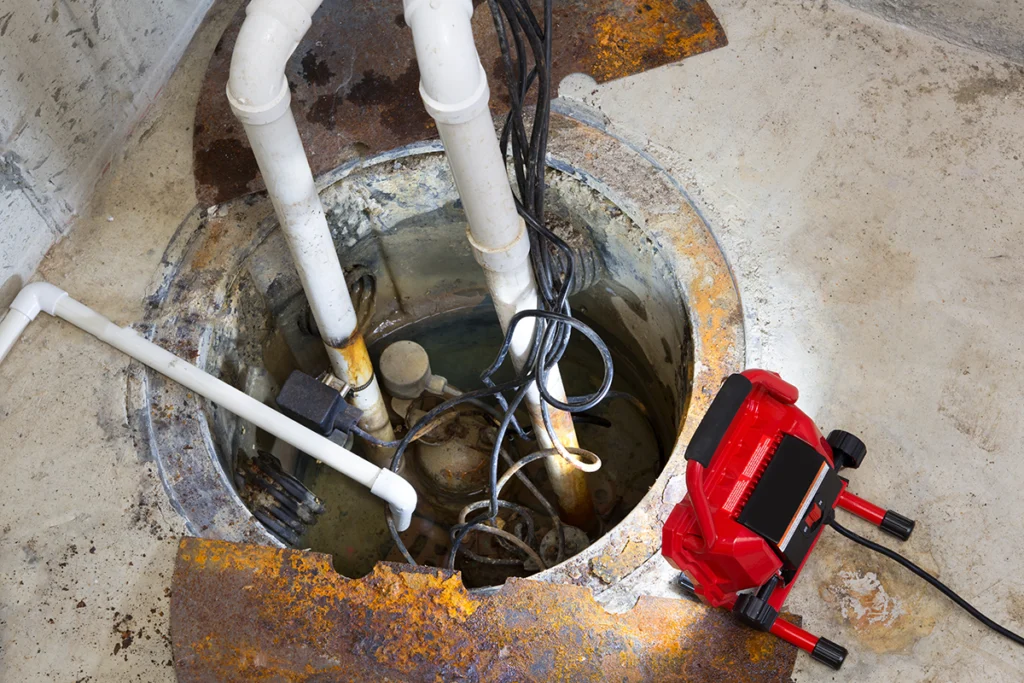
Check any visible galvanized pipes in your basement, crawl space, or utility areas. Look for orange or reddish-brown staining, flaking metal, or rough, pitted surfaces. These visual clues indicate that rust has progressed significantly. What you see on the outside reflects even worse damage inside.
How Long Before Galvanized Steel Pipe Rusts Through?
Most galvanized steel plumbing systems last between 40 and 70 years before serious problems develop. The lifespan depends on several factors. These include your water quality, pH levels, mineral content, and how well the original installation was done.
In our experience serving local homes, properties built before 1960 almost certainly have galvanized pipe. These pipes are approaching or past their useful life. Even if you’re not seeing obvious problems yet, pipes this old are living on borrowed time. The rust process speeds up once it starts. So a pipe that seems fine one year might fail the next.
Factors That Speed Up Rust in Galvanized Pipe
Water chemistry plays a huge role in how quickly galvanized steel breaks down. Acidic water with a low pH wears away the zinc coating faster. High mineral content—particularly iron and manganese—contributes to buildup and rust. Even the temperature of your water matters. This is because hot water speeds up chemical reactions that cause rust.
Can You Stop Galvanized Steel From Rusting?
Unfortunately, once galvanized pipe starts rusting internally, there’s no practical way to stop or reverse the process. The damage happens inside the pipe walls where you can’t access it. Some homeowners ask about pipe liners or coatings. But these solutions rarely work well for home plumbing systems. They also don’t fix pipes that are already damaged.
The only real solution is professional replacement. We typically recommend upgrading to modern materials like copper or PEX piping. These materials don’t have the rust issues that galvanized steel does. While replacement represents an investment, it eliminates ongoing problems. Plus, it adds value to your home.
Why Professional Inspection Matters
If you suspect your galvanized pipes are rusting, don’t wait until you have an emergency. We can inspect your plumbing system and check water pressure at multiple fixtures. We also look for signs of damage. A thorough assessment helps you understand the current condition of your pipes. Also, it helps you plan for replacement before you face a burst pipe or extensive water damage. When homeowners ask “does galvanized steel rust,” we explain that it’s not a question of if, but when, which is why early inspection is crucial.
Our certified technicians have seen it all when it comes to aging galvanized systems. We can evaluate whether you need a complete repipe. We can also determine if strategic replacement of the most vulnerable sections makes sense for your situation and budget. Either way, having a professional assessment gives you peace of mind. It also helps you make informed decisions about your home’s plumbing.
Time to Replace Your Galvanized Pipes?
If your home still has galvanized steel plumbing and you’re seeing warning signs of rust, we’re here to help. Our team specializes in repiping projects that minimize disruption to your daily life. At the same time, we deliver lasting results. We’ll work with you to create a solution that protects your home. It will also give you reliable plumbing for decades to come.
Don’t let rusty pipes turn into a plumbing emergency. Contact us today to schedule an inspection. Learn about your options for replacing aging galvanized steel pipe with modern, rust-resistant materials.
Frequently Asked Questions
Does galvanized steel rust faster with hot or cold water?
Hot water usually makes galvanized steel rust faster than cold water. Heat speeds up the reaction between water, oxygen, and metal. As a result, the protective zinc coating can wear down sooner in hot water lines. Once that coating breaks down, the steel underneath is more likely to rust.
Is rusty water from galvanized pipes dangerous to drink?
Rusty water from galvanized pipes isn’t typically dangerous in small amounts. However, it’s unpleasant and can stain fixtures and laundry. The main health concern is lead. This metal was sometimes present in the zinc coating of older galvanized pipes. If you have discolored water, we recommend testing it. Also, schedule a pipe inspection to assess your system.
Can you connect galvanized steel pipe to copper pipe?
Galvanized steel can be connected to copper pipe. But it must be done correctly using a special union to prevent rust. When different metals touch directly, faster rust occurs at the connection point. A proper fitting separates the metals with a non-conductive material. This protects both pipes from early failure at the joint. We’ll ensure the connection is made properly to prevent future problems.
How much does it cost to replace galvanized pipes?
The cost to replace galvanized pipes varies widely. This depends on home size, access to pipes, and materials chosen. Partial replacements of the most problematic sections cost less. But they may only postpone the inevitable. We provide detailed estimates after inspecting your specific situation. We consider factors like your home’s layout and current pipe condition.