
If you’re asking how do I repair a leaky bathtub faucet, you’re not alone. A dripping tub faucet is one of the most common plumbing problems homeowners in Hanover, MA deal with. While it might seem like a small annoyance, that steady drip can waste hundreds of gallons of water over time, raise your water bill, and even cause damage to fixtures and surrounding surfaces if left unchecked.
At Efficiency Plumbing, Heating & Air, we regularly help homeowners track down and fix faucet leaks before they turn into bigger plumbing headaches. In this guide, we’ll walk you through what causes bathtub faucets to leak, how to tell what type of faucet you have, and when a DIY repair makes sense versus when it’s smarter to call a licensed plumber.
Why a Leaky Bathtub Faucet Shouldn’t Be Ignored
A leaky bathtub faucet is more than just an irritating sound echoing through your bathroom at night. Even a slow drip can waste thousands of gallons of water per year, especially if the leak has been going on unnoticed. Over time, constant moisture can also wear down finishes, stain tubs, and encourage mineral buildup around the spout and handles.
Additionally, persistent leaks often indicate worn internal components. When those parts continue to degrade, what started as a minor repair can eventually turn into a more complex and costly fix. Addressing the issue early is always the most cost-effective option.
Common Reasons Bathtub Faucets Start Leaking
Before diving into how do I repair a leaky bathtub faucet, it helps to understand why it’s happening in the first place. Most bathtub faucet leaks come down to a few common causes, especially in homes with older plumbing fixtures.
Worn washers and seals are one of the most frequent culprits. Over time, rubber components harden, crack, or flatten out, allowing water to slip past even when the faucet is turned off. In other cases, a damaged cartridge inside the faucet body may be to blame, particularly in newer single-handle designs.
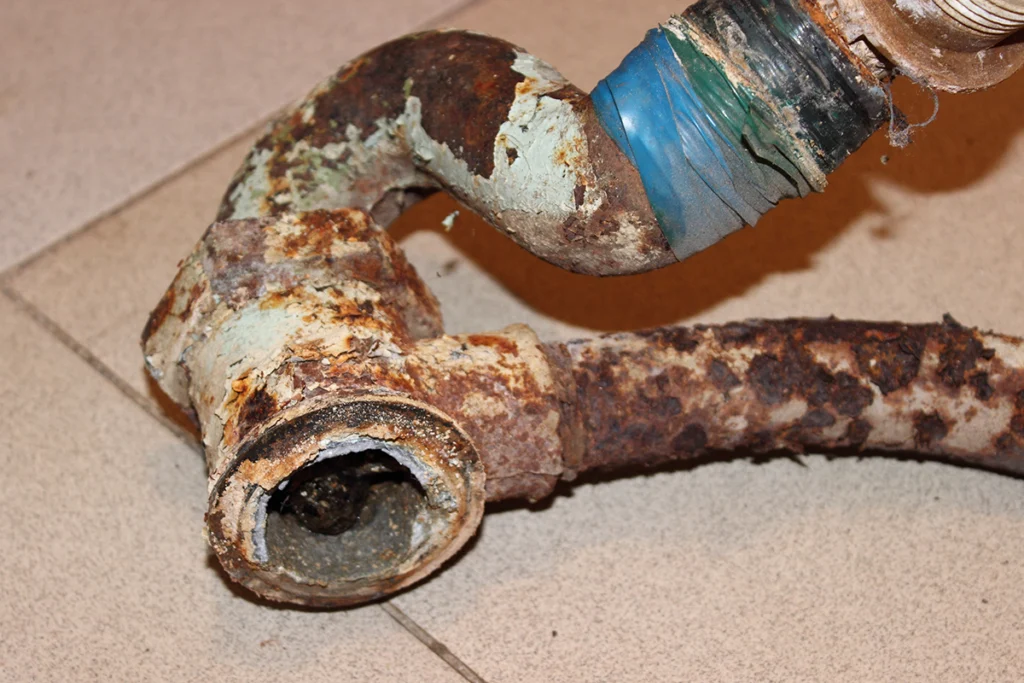
Mineral buildup is another common issue in Massachusetts homes. Hard water deposits can interfere with how internal parts move and seal, leading to dripping or inconsistent shutoff. Loose or corroded components can also contribute, especially if the faucet has been repaired before or installed improperly.
Identifying the Type of Bathtub Faucet You Have
Knowing your faucet type is a critical step in figuring out how do I repair a leaky bathtub faucet correctly. Bathtub faucets generally fall into one of three categories: compression, cartridge, or ceramic disc.
Compression faucets typically have two handles, one for hot water and one for cold. These rely on rubber washers to stop the flow of water, which makes them more prone to leaks as those washers wear out. Cartridge faucets may have one or two handles and use a removable cartridge to control water flow. Ceramic disc faucets are usually single-handle designs that rely on durable ceramic plates, though they can still leak if debris or damage is present.
If you’re unsure which type you have, removing the handle and inspecting the internal components can usually provide the answer. When in doubt, a professional plumber can quickly identify the faucet type and recommend the correct repair.
How Do I Repair a Leaky Bathtub Faucet Safely?
When homeowners ask how do I repair a leaky bathtub faucet, the first step is always safety and preparation. Before touching any plumbing components, shut off the water supply to the bathroom or the entire house if necessary. This prevents accidental flooding and makes the repair process far less stressful.
Once the water is off, plug the tub drain to keep small screws or parts from falling in. Lay out your tools and replacement parts ahead of time so you’re not scrambling mid-repair. Taking photos as you disassemble the faucet can also be helpful when it’s time to put everything back together.
Basic DIY Steps for Fixing a Leaky Bathtub Faucet
For many common leaks, the repair process follows a similar pattern, even though the specific parts may differ depending on the faucet type. The general idea is to access the internal components, replace worn parts, and reassemble the faucet carefully.
Typical DIY repair steps include:
-
Removing the faucet handle and decorative trim to access internal parts
-
Inspecting washers, O-rings, or cartridges for visible wear or damage
-
Replacing faulty components with manufacturer-approved parts
-
Cleaning away mineral buildup before reassembly
-
Reinstalling everything snugly, without overtightening
After restoring the water supply, test the faucet slowly to make sure the leak is gone. If the drip persists or the handle feels stiff or uneven, the issue may be deeper than a simple washer or cartridge replacement.
When DIY Repairs Aren’t Enough
While many homeowners successfully handle minor faucet repairs, there are times when asking how do I repair a leaky bathtub faucet should lead to calling a professional instead. If the faucet continues leaking after parts are replaced, the valve seat or internal plumbing may be damaged. Corrosion inside the wall can also prevent a proper seal, especially in older homes.
Additionally, improper repairs can sometimes make the problem worse. Overtightened components, incorrect parts, or cross-threaded fittings can lead to new leaks or long-term damage. In these situations, professional repair not only saves time but also helps protect your plumbing system as a whole.
How Professional Faucet Repair Saves Time and Money
Hiring a licensed plumber takes the guesswork out of figuring out how do I repair a leaky bathtub faucet. A professional can quickly diagnose the root cause of the leak, source the correct replacement parts, and complete the repair efficiently.
Professional service also ensures that related issues are addressed. During a faucet repair, a plumber may notice early signs of pipe corrosion, pressure problems, or worn shutoff valves that could lead to future issues. Catching these problems early often prevents emergency repairs down the road.
Preventing Future Bathtub Faucet Leaks
Once your faucet is repaired, a few simple habits can help prevent leaks from coming back. Avoid overtightening handles, which puts unnecessary strain on washers and seals. Periodically clean fixtures to reduce mineral buildup, especially if your home has hard water.
It’s also a good idea to address small drips right away instead of waiting. Early repairs are almost always simpler and less expensive than fixing a leak that’s been ignored for months or years.
Trusted Bathtub Faucet Repair in Hanover, MA
If you’ve tried to tackle the problem yourself and are still wondering how do I repair a leaky bathtub faucet, professional help is just a call away. Efficiency Plumbing, Heating & Air provides reliable plumbing repairs for homeowners throughout Hanover and the surrounding South Shore communities.
Our licensed plumbers have the experience to repair all types of bathtub faucets quickly and correctly. Whether it’s a simple washer replacement or a more complex valve issue, we focus on long-lasting solutions that restore your comfort and protect your home’s plumbing.
If your bathtub faucet won’t stop dripping, don’t wait for the problem to get worse. Schedule a professional inspection and enjoy the peace of mind that comes with a properly repaired faucet.