If you’re considering upgrading your water heating system or already own a tankless unit, you’re probably wondering how long do tankless water heaters last. The good news? Tankless water heaters typically last significantly longer than traditional tank models. In fact, they often run for 20 years or more with proper maintenance. At Efficiency Plumbing, Heating & Air, we’ve installed and serviced countless tankless systems since 2015. We’ve seen firsthand how these efficient units can provide reliable hot water for decades. Understanding what affects their lifespan can help you maximize your investment. Plus, it helps you make informed decisions about your home’s water heating needs.
Average Lifespan of Tankless Water Heaters
Most tankless water heaters last between 20 and 25 years when properly maintained. This is nearly double the lifespan of traditional tank water heaters. Traditional units typically need replacement after 10 to 15 years. The extended longevity stems from the fundamental design difference. Because tankless units heat water on demand rather than storing it, they avoid the constant wear and corrosion that plague storage tank models.
That said, the actual lifespan of your tankless water heater depends on several factors. Water quality, usage patterns, installation quality, and maintenance frequency all play crucial roles. For instance, we’ve serviced units that performed flawlessly for over two decades. However, we’ve also seen systems that needed major repairs much sooner due to neglect or poor water conditions. Understanding how long do tankless water heaters last in your specific situation helps you plan for maintenance and eventual replacement.
Factors That Affect How Long Tankless Water Heaters Last
Water Quality and Mineral Content
Hard water is the biggest enemy of tankless water heater longevity. When your water contains high levels of calcium, magnesium, and other minerals, these deposits accumulate inside the heat exchanger. The heat exchanger is the heart of your tankless system. Over time, mineral buildup reduces efficiency and restricts water flow. Eventually, it can cause component failure.
If you live in an area with hard water, your tankless unit faces increased stress. The heat exchanger works harder to heat water through the mineral layer. Additionally, the buildup can cause hot spots that damage internal components. Our technicians can assess your water quality and recommend water softeners or filtration systems for homeowners in areas with particularly hard water. This single step can dramatically extend equipment life and improve how long do tankless water heaters last in challenging water conditions.
Maintenance and Descaling Schedule
Regular professional maintenance is absolutely essential for maximizing how long your tankless water heater lasts. Annual descaling—also called flushing—removes mineral deposits before they cause damage. During this service, we’ll circulate a descaling solution through the system. This dissolves accumulated scale and restores optimal performance.
Skipping annual maintenance is one of the fastest ways to shorten your unit’s lifespan. Even in areas with relatively soft water, some mineral buildup occurs over time. Plus, regular maintenance gives our technicians the opportunity to inspect components, check for leaks, and test safety features. We can also catch small issues before they become expensive problems. Consistent care directly impacts how long do tankless water heaters last in real-world applications.
Installation Quality
Proper installation sets the foundation for long-term performance. A tankless water heater must be correctly sized for your household’s demand. It also needs appropriate venting and proper gas lines or electrical circuits. When installation is done right, the unit operates within its designed parameters. As a result, it experiences less stress.
We’ve seen units fail early because they were undersized for the home. This forces them to run constantly at maximum capacity. Others suffered from improper venting that caused combustion issues. Some had inadequate gas pressure that made the burner work harder than necessary. Quality installation from certified professionals like our team ensures your investment is protected from day one.
Usage Patterns
How you use your tankless water heater affects its longevity too. Units that experience frequent on-off cycling or consistently run at maximum output face more wear. However, tankless systems are generally built to handle frequent use. That’s one of their key advantages.
Commercial applications or large households that demand continuous hot water for extended periods may see slightly shorter lifespans. This is compared to smaller homes with lighter usage. Still, even in demanding situations, a well-maintained tankless unit should easily exceed the lifespan of a traditional tank heater. When homeowners ask how long do tankless water heaters last, usage patterns play a significant role in the answer.
Signs Your Tankless Water Heater May Need Service
Even though tankless water heaters last a long time, they aren’t immune to problems. Recognizing warning signs early can prevent minor issues from becoming major failures. If you notice inconsistent water temperature, reduced hot water output, strange noises during operation, or error codes on the display, your unit likely needs professional attention.
Mineral buildup typically announces itself through decreased flow rates or fluctuating temperatures. You might notice the water doesn’t get quite as hot as it used to. Alternatively, hot water delivery might seem sluggish. These symptoms indicate it’s time for professional descaling and inspection. This is true even if you’re not yet due for your annual maintenance.
Unusual sounds like rumbling, popping, or hissing can signal sediment buildup, combustion problems, or component wear. While some operational noise is normal, significant changes in sound patterns warrant investigation. Our technicians can diagnose the issue and recommend the appropriate solution to keep your system running smoothly.
Extending Your Tankless Water Heater’s Lifespan
There are several ways to maximize how long your tankless water heater lasts. First and foremost, schedule annual maintenance with our team. This single action provides the biggest return on investment in terms of longevity and performance. We’ll descale the system, inspect all components, test safety features, and make any necessary adjustments.
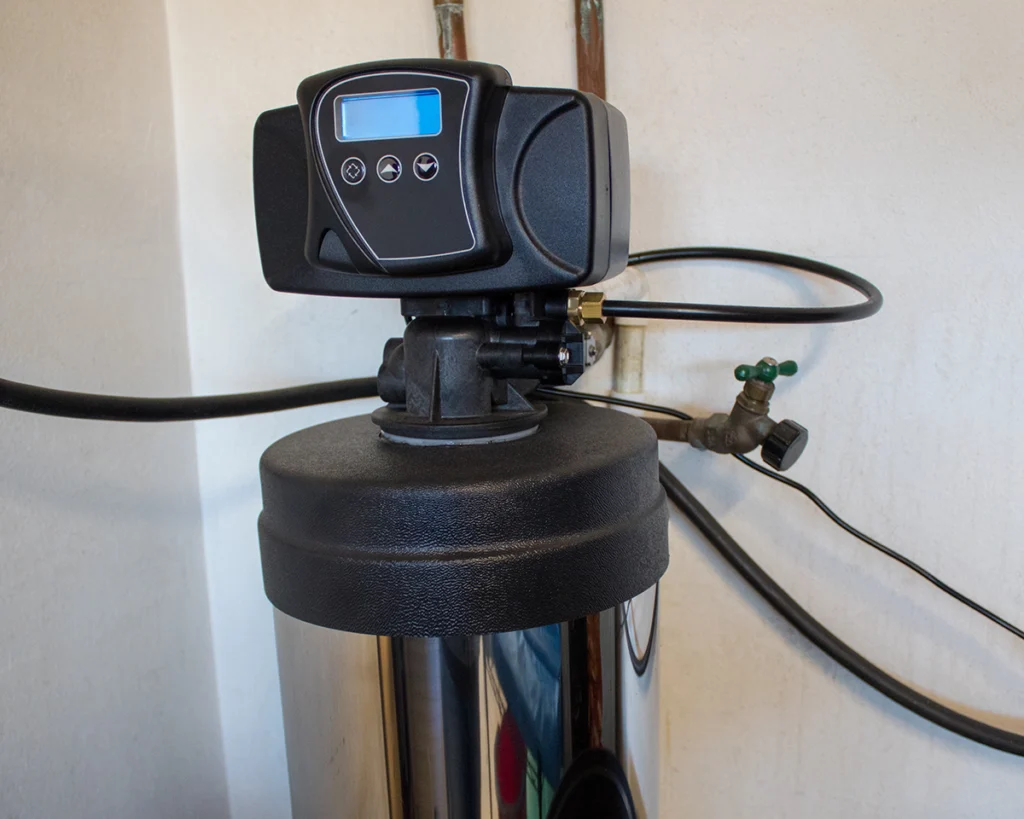
If you have hard water, we can evaluate whether installing a water softener would benefit your home. This upstream solution protects not only your tankless water heater but also your plumbing fixtures, appliances, and pipes throughout your home. The investment in water treatment pays dividends across your entire household water system.
Monitor your water heater’s performance and address issues promptly. Don’t ignore error codes, temperature fluctuations, or unusual behavior. Early intervention prevents small problems from escalating into expensive repairs or premature replacement. When something seems off, contact us for professional diagnosis.
Keep the area around your tankless unit clean and well-ventilated. Make sure intake and exhaust vents remain clear of debris. Also, don’t store items directly against the unit. Proper airflow keeps the system running efficiently and prevents overheating.
Tankless vs. Tank Water Heater Longevity
The difference in lifespan between tankless and tank water heaters is substantial. Traditional tank heaters typically last 10 to 15 years because they constantly heat and reheat stored water. This accelerates corrosion and component wear. The tank itself becomes the weak point. Eventually, it develops leaks as the interior lining deteriorates.
Tankless units avoid this fundamental flaw by eliminating the storage tank entirely. Without a tank to corrode, the primary components can function reliably for 20 years or longer. These components include the heat exchanger, burner assembly, and electronic controls. This extended lifespan is one reason why tankless water heaters, despite their higher upfront cost, often prove more economical over time. The question of how long do tankless water heaters last becomes especially important when comparing lifetime costs.
Of course, longevity isn’t the only consideration. Tankless units offer energy efficiency, unlimited hot water, and space savings alongside their durability advantages. They also provide lower operating costs. When you factor in all these benefits, the value proposition becomes even more compelling.
When to Replace vs. Repair Your Tankless Water Heater
Even with excellent maintenance, your tankless water heater won’t last forever. As units age, you’ll eventually face the decision between repair and replacement. If your system is under 10 years old and needs repairs, fixing it almost always makes sense. The unit still has substantial life remaining. Furthermore, repairs typically cost far less than replacement.
Once your tankless water heater reaches 15 to 20 years of service, the calculation changes. Major component failures like a cracked heat exchanger or failed gas valve might cost enough that replacement becomes the smarter financial choice. Plus, newer models offer improved efficiency and features that can reduce your energy bills and enhance convenience.
We help homeowners evaluate these decisions honestly. Our technicians can assess your current unit’s condition and estimate remaining lifespan. We can also compare repair costs against replacement benefits and explain your options clearly. We want you to make the choice that best fits your situation and budget.
Trust Efficiency Plumbing for Your Tankless Water Heater Needs
Whether you’re considering a new tankless installation, need maintenance on your current system, or want expert advice about water heater repair or replacement, our team is here to help. Since 2015, we’ve provided the community with reliable plumbing and water heating solutions. Our service is backed by certified expertise and a commitment to customer satisfaction.
We understand that your water heater is essential to your home comfort. Because of this, we treat every installation and service call with the care and professionalism it deserves. Contact us today to schedule your tankless water heater maintenance or to discuss upgrading to a high-efficiency tankless system. We’ll keep your hot water flowing reliably for years to come.
Frequently Asked Questions
How long do tankless water heaters last compared to tank models?
Tankless water heaters typically last 20 to 25 years with proper maintenance. This is nearly double the 10 to 15 year lifespan of traditional tank water heaters. The absence of a storage tank eliminates the corrosion issues that limit tank heater longevity. As a result, tankless units can provide reliable service for two decades or more.
What shortens the lifespan of a tankless water heater?
Hard water and mineral buildup are the primary factors that shorten tankless water heater lifespan. Skipping annual descaling maintenance allows scale to accumulate in the heat exchanger. This reduces efficiency and causes component damage. Poor installation quality, inadequate sizing, and neglecting service needs also contribute to premature failure.
How often should I service my tankless water heater?
You should have your tankless water heater professionally serviced annually, regardless of whether you’re experiencing problems. Annual maintenance includes descaling to remove mineral deposits, inspecting components, and testing safety features. It also ensures optimal performance. Homes with very hard water may benefit from more frequent descaling—every six to nine months.
Can a 20-year-old tankless water heater still work efficiently?
A well-maintained tankless water heater can still operate efficiently at 20 years. However, efficiency typically decreases slightly with age. Components wear over time, and newer models offer improved technology and efficiency ratings. If your 20-year-old unit needs major repairs, replacement with a modern high-efficiency model often makes better financial sense.