
If you’ve noticed tiny flies hovering around your sink, shower, or floor drain, you’re not imagining it. Drain flies are real, they multiply fast, and once they get comfortable, they don’t leave on their own. The good news is you can get rid of them—but only if you attack the source, not just the flying adults.
In this guide, Efficiency Plumbing, Heating & Air in Hanover, MA is breaking down how to get rid of drain flies the right way. We’ll cover what causes them, where they hide, what actually works, and when it’s time to stop messing with it and call a plumber.
What Are Drain Flies (And Why Are They In Your Bathroom?)
Drain flies (also called moth flies) are small, fuzzy-looking flies that usually hang around moist areas. They’re not after your food like fruit flies. They’re after the nasty stuff inside your drains.
They lay eggs in the slimy buildup that forms inside pipes, floor drains, and drain traps. That buildup is made of soap scum, hair, grease, organic gunk, and bacteria. If there’s moisture and buildup, drain flies can move in.
The reason they’re so annoying is because killing the adult flies doesn’t solve anything. The breeding ground stays active until it’s cleaned out.
The Fastest Way to Confirm They’re Drain Flies
Before you start pouring stuff down every drain in your house, make sure you’re dealing with drain flies and not fruit flies or gnats coming from plants.
Drain flies usually:
-
Look small and gray or black
-
Have fuzzy or moth-like wings
-
Move slowly and don’t fly far
-
Hang out near drains, sinks, tubs, or sump pits
A simple test is the tape test. Put a piece of clear tape over the drain opening at night (sticky side down) and check it in the morning. If you catch a few flies, you found the source.
Why Drain Flies Keep Coming Back
If you’re trying to figure out how to get rid of drain flies, the biggest mistake people make is treating the symptom instead of the cause.
Drain flies come back when:
-
The slime inside the drain wasn’t removed
-
You cleaned one drain but ignored another
-
There’s a broken pipe or leak keeping areas damp
-
A floor drain or unused drain dried out and became a breeding spot
-
A sewer or vent issue is pulling odor and moisture into places it shouldn’t
In other words, if the breeding area stays gross and wet, they’ll keep reproducing.
How to Get Rid of Drain Flies (Step-by-Step)
You don’t need to guess. You need a process. The goal is to remove the buildup they’re living in and stop the moisture that’s feeding them.
1) Identify Which Drain They’re Coming From
Start by checking the drains where you see them most:
-
Bathroom sink
-
Shower or tub drain
-
Toilet area (especially if there’s a floor drain nearby)
-
Laundry drain
-
Basement floor drain
-
Utility sink
If you have multiple drains, you may have multiple breeding locations. That’s common.
2) Scrub the Drain (Not Just the Drain Opening)
Pouring cleaner down the drain can help, but it often doesn’t touch the sticky buildup where drain flies live. Physical cleaning matters.
Use a stiff drain brush or small bottle brush and scrub around the inside walls of the drain and the first section of the pipe. Focus on the gunk you can reach. This is where a lot of eggs and larvae are hiding.
This step is messy, but it’s one of the most effective things you can do.
3) Flush With Hot Water
After scrubbing, flush the drain with hot water to help wash loosened sludge through the pipe. You can do this a few times over a day or two.
Hot water helps, but it won’t solve the problem by itself. Think of it as the rinse after you physically remove the buildup.
4) Use an Enzyme Drain Cleaner (The Right Kind)
If you want something that works with your cleaning instead of just masking it, enzyme-based drain cleaners are a solid option. These are designed to break down organic slime over time instead of blasting it with harsh chemicals.
They work best when used consistently at night for several days, since the product has time to sit in the drain and eat away buildup.
Avoid using enzyme treatments at the same time as chemical cleaners, because chemicals can kill the enzymes and waste the whole effort.
5) Clean the Drain Cover and Overflow Openings
People forget this part and wonder why the flies keep coming back.
Clean areas like:
-
Drain covers and stoppers
-
Sink overflow openings (that little hole near the top of the basin)
-
Shower drain grates
-
Any hair catchers or strainers
If slime is stuck there, that’s still a home for eggs and larvae.
The Three Most Common Places Drain Flies Breed
If you’re still dealing with the problem after cleaning the obvious drains, these are the usual hidden spots.
-
Basement floor drains that don’t get used often
-
Laundry/utility drains that collect lint, soap, and water
-
Sump pits or ejector pits where moisture and bacteria build up
In older homes around Hanover and the South Shore, floor drains and utility areas are common breeding zones because they stay damp and don’t get cleaned regularly.
What NOT to Do When You’re Trying to Kill Drain Flies
A lot of drain fly “solutions” online are either temporary or flat-out useless. Some of them can even damage your plumbing if you go too aggressive.
Here’s what to avoid:
-
Don’t just spray bug killer and call it done (it won’t touch the larvae)
-
Don’t dump bleach once and expect a miracle
-
Don’t mix chemicals (dangerous fumes and reactions)
-
Don’t ignore slow drains (they usually mean buildup is still there)
If you want how to get rid of drain flies to be a one-time fix, you have to remove the breeding slime.
How Long Does It Take to Get Rid of Drain Flies?
If you clean the right drain and treat it properly, you can usually see improvement within 24–48 hours. But getting rid of them completely can take around a week, because you have to break the breeding cycle.
Drain fly eggs hatch quickly, and larvae develop in the sludge. That means you might still see a few flies for several days even when you’re doing everything right.
The goal is fewer flies each day until they’re gone.
When Drain Flies Are a Sign of a Bigger Plumbing Problem
Sometimes drain flies aren’t just coming from “dirty drains.” Sometimes they’re showing up because there’s a plumbing issue keeping moisture where it shouldn’t be.
You may need professional help if:
-
You’ve cleaned multiple drains and they keep returning
-
You smell sewer gas or strong odors near drains
-
Your drains gurgle or drain slowly
-
You suspect a leak under the sink or behind a wall
-
They’re coming from a basement drain or sump area
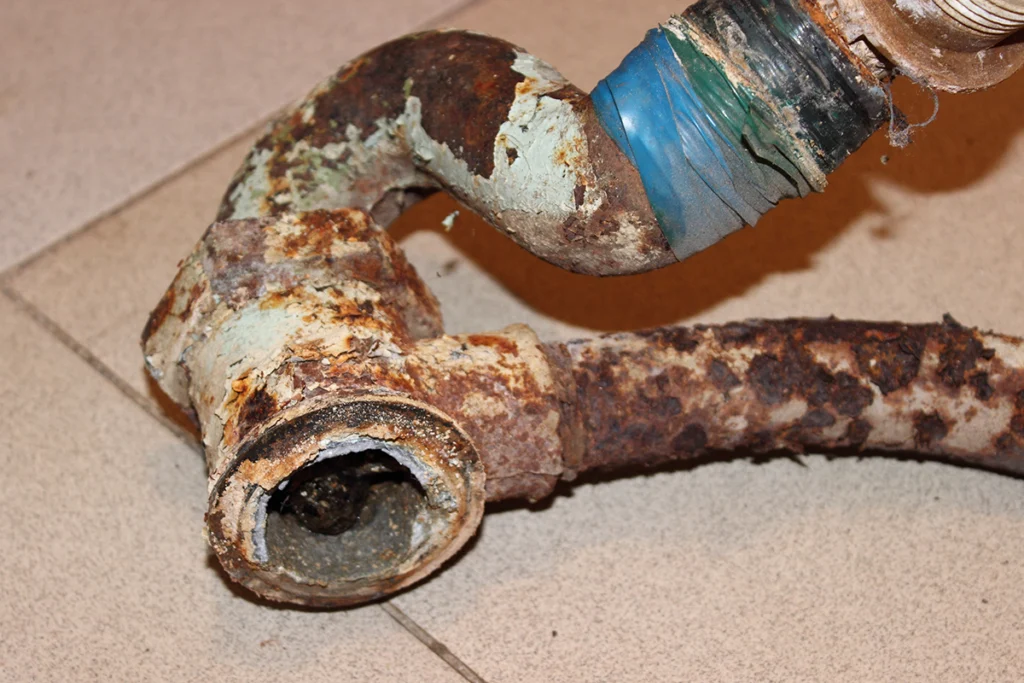
In some cases, a cracked pipe, loose fitting, or partial blockage can create the perfect wet environment for drain flies to keep multiplying.
How Efficiency Plumbing, Heating & Air Can Help
If you’re tired of playing whack-a-mole with these bugs, Efficiency Plumbing, Heating & Air can help you get rid of them for good. We can inspect your drain system, find the source, clear buildup properly, and fix any hidden plumbing issues that are keeping moisture trapped.
If you’re in Hanover, MA or nearby areas and you want a real fix, not a temporary band-aid, give us a call. We’ll help you stop the drain fly problem at the source and get your home back to normal.
Final Thoughts: How to Get Rid of Drain Flies for Good
Drain flies aren’t just annoying—they’re a sign that organic buildup and moisture are sitting somewhere in your plumbing system. The fastest way to solve it is to identify the source drain, scrub out the slime, flush it clean, and use a proper enzyme cleaner to finish the job.
If they keep coming back after you’ve done the basics, it’s time to get a professional involved. Call Efficiency Plumbing, Heating & Air today to schedule drain cleaning and plumbing service in Hanover, MA, and we’ll track down the source, fix the problem properly, and help you get rid of drain flies for good.