
Cold Massachusetts winters can take a toll on your plumbing, and when temperatures drop fast, homeowners often worry about frozen pipes. Knowing how to tell if pipes are frozen can help you stop damage early before a burst pipe floods your home. At Efficiency Plumbing, Heating & Air, we help Hanover homeowners manage winter plumbing issues every season, and quick action makes all the difference.
Frozen pipes don’t always burst immediately. In many cases, the warning signs show up long before major damage occurs. When you understand what to look for—especially during a hard freeze—you can prevent cracks, leaks, and costly water damage.
How to Tell If Pipes Are Frozen: Early Warning Signs
Frozen pipes usually give you clues before they become an emergency. The most common signs include:
-
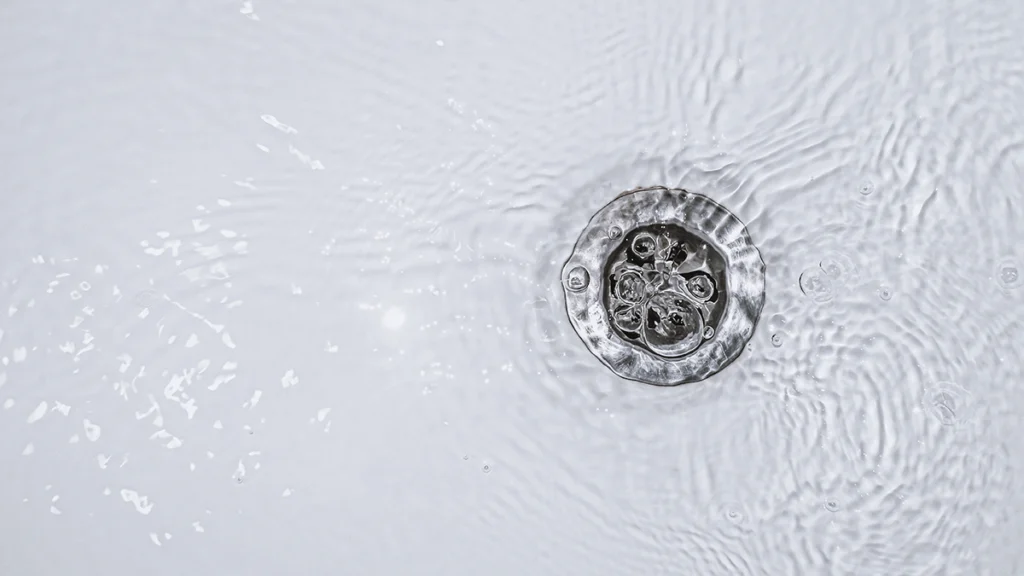
Little or no water flow from faucets
-
Frost or ice buildup on exposed pipe sections
-
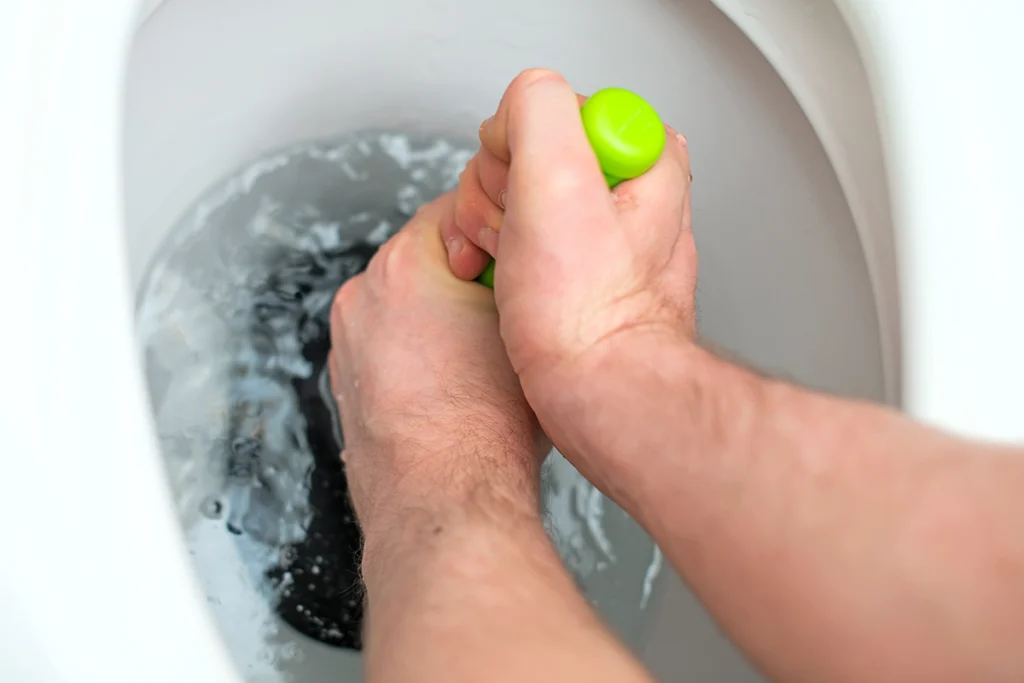
Strange smells coming from drains or faucets
When water inside a pipe begins to freeze, it expands and puts intense pressure on the pipe walls. That pressure is what eventually causes bursts. Catching a freeze early helps you stop the problem before it escalates.
Slow or No Water Flow Is the Most Common Indicator
If you turn on a faucet and only a trickle of water comes out—or nothing comes out at all—your pipe may be frozen somewhere along the line. This happens most often in uninsulated areas of the home, including basements, garages, crawl spaces, and exterior walls.
In Hanover homes, we see this most often during overnight temperature drops, when pipes don’t have enough time to recover before morning use. If a single fixture isn’t working but others are, the freeze is usually close to that individual line. If multiple fixtures are affected, the main supply line may be the issue.
Frost on Pipes Can Help You Spot the Problem
Exposed pipes give you a visual clue. If frost, condensation, or a layer of ice is forming on the outside of the pipe, there’s a high likelihood the inside is frozen. This is often seen:
-
On pipes running along exterior walls
-
In unheated areas like attics or crawl spaces
-
Near gaps in insulation or drafty sections of the home
Frost doesn’t automatically mean the pipe is fully frozen, but it’s a strong warning that the temperature of that pipe is dangerously low.
Strange Smells Can Also Signal a Freeze
This surprises many homeowners, but when a drain or supply line freezes, air can no longer travel through the pipe correctly. This can push sewer odors or stagnant water smells back into sinks or tubs. If you notice unusual smells during cold weather, it’s worth checking the nearest plumbing line for freeze risk.
What Causes Pipes to Freeze in Hanover Homes?
Massachusetts winters regularly hit temperatures cold enough to freeze standing water inside pipes. Some areas are more vulnerable than others:
-
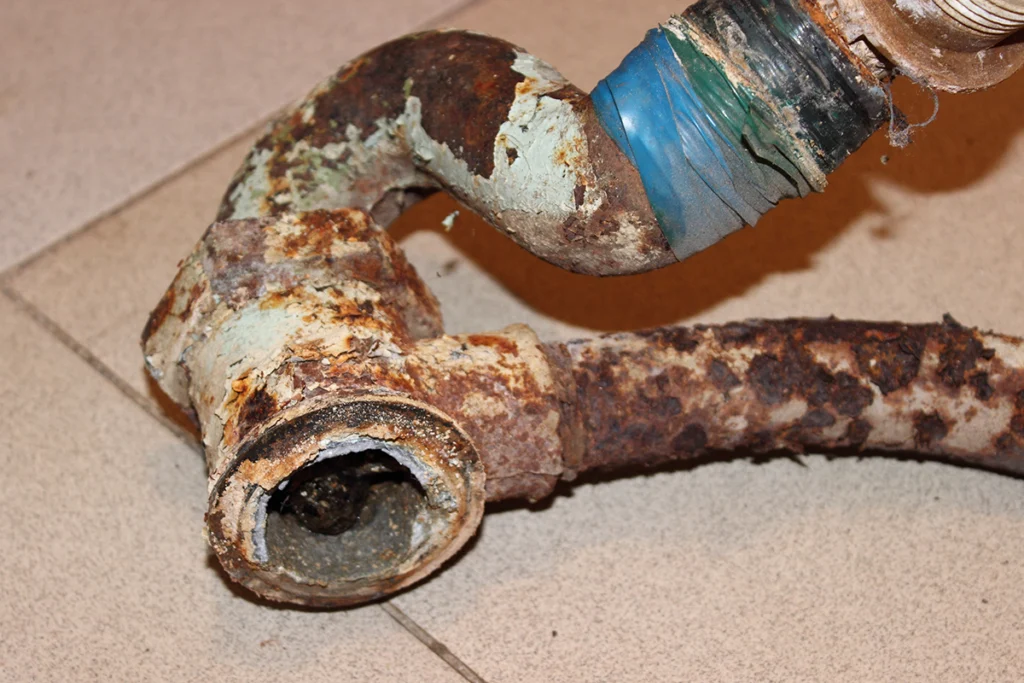
Uninsulated or old copper pipes in exterior walls
-
Pipes in garages, basements, and crawl spaces
-
Outdoor spigots and supply lines
Homes with older insulation or gaps in their building envelope face a higher risk. Once a cold draft reaches a pipe, temperatures can drop fast enough to freeze it within hours.
What to Do When You Suspect a Frozen Pipe
If you know how to tell if pipes are frozen and you spot the signs early, you can reduce the risk of a burst. Start by shutting off the water supply to the affected area or the entire house if you’re unsure where the freeze is located. This step prevents flooding if the pipe cracks.
After shutting off the water, open nearby faucets to relieve pressure. This allows thawing water to escape safely and reduces stress on the pipe walls. Never use open flames or high-heat tools to thaw a pipe—this is extremely dangerous and can damage the plumbing. Instead, use gentle, controlled heat such as a hair dryer or space heater placed at a safe distance.
If the pipe is hidden inside a wall, ceiling, or crawl space, avoid DIY attempts. These situations require professional equipment to thaw safely without causing structural damage.
How Efficiency Plumbing, Heating & Air Fixes Frozen Pipes
Frozen pipes are one of the most urgent winter calls we receive. Our team locates the freeze, inspects the surrounding plumbing for cracks, and thaws the pipe safely using specialized tools. Once thawed, we test the system to make sure no slow leaks are forming deeper in the line.
When we handle frozen pipe repairs, we typically:
-
Identify freeze points using thermal tools or direct inspection
-
Safely thaw the pipe without risking ignition or overheating
-
Repair or replace damaged sections before water flow returns
We also check nearby pipes to make sure another freeze isn’t forming, which is common during extended cold snaps.
Preventing Frozen Pipes Before They Happen
The best defense against frozen pipes is preparation. Insulating exposed pipes, sealing drafts, and keeping interior temperatures consistent all help reduce freeze risks. During extreme cold, letting a small trickle of water run from faucets can keep water moving enough to prevent freezing.
For long-term protection, we recommend a whole-home plumbing inspection each fall. This allows us to reinforce vulnerable areas before the cold hits.
When to Call Efficiency Plumbing, Heating & Air
If you’re unsure how to tell if pipes are frozen, or if you’ve noticed slow flow, frost, or strange smells, call Efficiency Plumbing, Heating & Air right away. Frozen pipes can escalate quickly, and delaying repairs increases the chance of a burst. Our Hanover team responds fast, restores water safely, and helps protect your home from costly water damage.
Whether it’s emergency service, pipe insulation, or winter-prep maintenance, we’re here to keep your plumbing safe all season long.