Standing water pooling around your feet during a shower is more than just unpleasant—it’s a clear sign your drain needs attention. Knowing how to unclog your shower drain starts with understanding what’s causing the blockage and when it’s time to call in a certified plumber. At Efficiency Plumbing, we help homeowners throughout Massachusetts identify and resolve drain issues before they turn into bigger, more expensive problems.
While it might be tempting to reach for a chemical drain cleaner or try to unclog your shower drain yourself, understanding the root cause of the clog and the professional solutions available can save you time, money, and potential damage to your plumbing system. Let’s walk through what causes shower drain clogs, how to spot the warning signs, and what a licensed plumber does to clear them effectively.
Common Causes of Shower Drain Clogs
Showers don’t clog overnight. Most blockages develop gradually as debris accumulates inside your drainpipes. The most common culprits include hair, soap scum, mineral deposits, and even small objects that accidentally slip down the drain. Hair is by far the leading cause—each time you shower, strands wash down the drain and bind together with soap residue, forming tough clogs that restrict water flow.
Soap buildup is another frequent offender, especially if you use bar soap. Traditional soap contains fats that combine with minerals in hard water, creating a stubborn residue known as soap scum. Over time, this buildup narrows your pipes, traps other debris, and makes it harder to unclog a shower drain once the blockage gets worse. According to the U.S. Geological Survey, hard water contains calcium and magnesium that can react with soap and contribute to soap scum buildup. If you live in an area with hard water, mineral deposits from calcium and magnesium can also accumulate on pipe walls, making clogs more likely.
Sometimes, objects like jewelry, bottle caps, or razors accidentally fall into the drain and create an immediate obstruction. In older homes, corroded or damaged pipes may also contribute to recurring clogs by creating rough interior surfaces where debris easily catches.
Warning Signs Your Shower Drain Is Clogged
Before a drain stops working entirely, it usually gives you plenty of warning. The most obvious sign is slow drainage—if water takes longer than usual to clear after your shower, a blockage is forming. You might notice water pooling around your feet mid-shower, or the tub taking several minutes to empty completely.
Unpleasant odors coming from your drain are another red flag. When hair, soap, and organic matter get stuck in your pipes, bacteria break them down and produce foul smells. Gurgling sounds while water drains can indicate a partial blockage that’s trapping air in the line. If you’re experiencing any of these symptoms, it’s time to address the issue before it worsens.
In some cases, you might notice multiple drains in your bathroom acting up at once. This could point to a more serious clog deeper in your plumbing system or even an issue with your main sewer line. For related drainage problems throughout your home, check out our guide on how to identify bathroom sink clogs.
What a Professional Plumber Does to Unclog Your Shower Drain
When you call a licensed plumber to unclog your shower drain, they arrive equipped with professional tools and diagnostic equipment that go far beyond store-bought solutions. A certified technician will first assess the severity and location of the clog using techniques like camera inspection to see exactly what’s blocking your pipes and where.
For most shower drain clogs, plumbers use a drain snake (also called an auger) designed to break up and remove blockages without damaging your pipes. This flexible cable feeds deep into the drain line, grabbing or dislodging hair, soap buildup, and other debris. Unlike chemical cleaners, mechanical snaking is safe for your plumbing and highly effective.
For stubborn or deep clogs, hydro jetting may be necessary. This process uses high-pressure water to blast away buildup and completely clear the pipe interior. Hydro jetting not only removes the current clog but also cleans the pipe walls, reducing the likelihood of future blockages. Your plumber will explain which method is best for your specific situation.
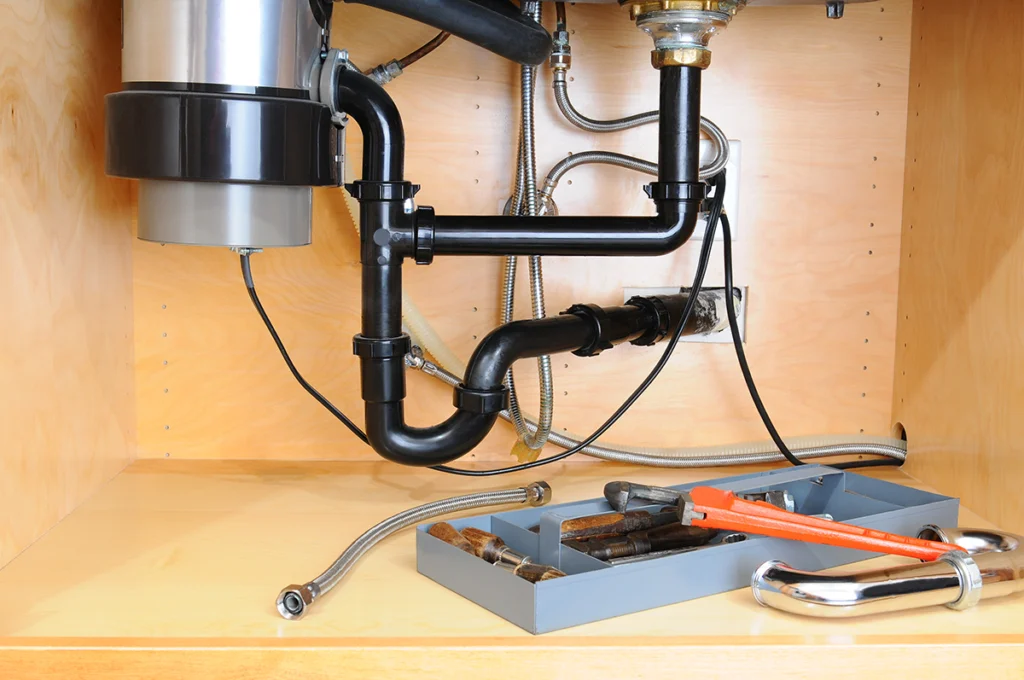
After clearing the clog, a professional will often inspect the P-trap and drain assembly to ensure everything is functioning properly and check for any underlying issues like corrosion, leaks, or improper venting that could cause recurring problems.
Why Chemical Drain Cleaners Aren’t the Answer
It’s tempting to grab a bottle of chemical drain cleaner when you notice slow drainage, but these products often do more harm than good. Most liquid drain cleaners contain harsh caustic chemicals that generate heat to dissolve clogs. While they may provide temporary relief, they can also corrode your pipes—especially if you have older plumbing or PVC drains.
Chemical cleaners are particularly ineffective against hair clogs, which are the most common cause of shower drain blockages. The chemicals may eat away at some of the soap scum holding the hair together, but they rarely remove the entire clog. This means you’ll likely face the same problem again in a few weeks, and you may have weakened your pipes in the process.
Repeated use of chemical drain cleaners can lead to leaks, pipe damage, and costly repairs down the line. Professional mechanical clearing methods are safer, more effective, and better for the long-term health of your plumbing system. If you want a gentler maintenance option between professional visits, the EPA Safer Choice program can help you identify safer cleaning products made with ingredients that are safer for people and the environment.
Preventing Future Shower Drain Clogs
Once your drain is clear, taking preventive steps can help you avoid future clogs. Installing a drain cover or hair catcher is one of the simplest and most effective solutions—these inexpensive devices sit over your drain and trap hair before it enters the pipes. Clean the cover after each shower to prevent buildup.
Flushing your drain with hot water after each use can help dissolve soap residue before it has a chance to harden. Some homeowners also benefit from monthly maintenance using a mixture of baking soda and vinegar followed by hot water, though this is more about prevention than clearing existing clogs.
If you have hard water, consider installing a water softener to reduce mineral buildup throughout your plumbing system. Regular professional drain cleaning—typically once a year—can also catch small blockages before they become major problems. A licensed plumber can inspect your drains during routine maintenance and clear any early-stage buildup.
For homeowners dealing with persistent drain issues, it’s worth having a plumber inspect your entire drainage system. Sometimes recurring clogs indicate a bigger problem like improper venting, pipe corrosion, or a compromised sewer line that needs attention.
When to Call a Professional Plumber
While minor slow drainage might seem manageable, there are several situations where calling a professional is the smartest choice. If your drain is completely blocked and water isn’t draining at all, DIY methods are unlikely to solve the problem effectively. A plumber has the tools and expertise to clear even the toughest clogs without risking damage to your pipes.
Recurring clogs are another sign you need professional help. If you’re dealing with the same slow drain issue every few weeks, there’s likely an underlying cause that basic clearing methods can’t address. A plumber can diagnose whether you’re dealing with pipe damage, improper slope, venting issues, or a deeper blockage in your main line.
Foul odors that don’t go away after cleaning the drain may indicate a clog deep in your plumbing system or even a problem with your vent stack. Multiple drains backing up simultaneously is a serious red flag that often points to a main sewer line issue requiring immediate professional attention.
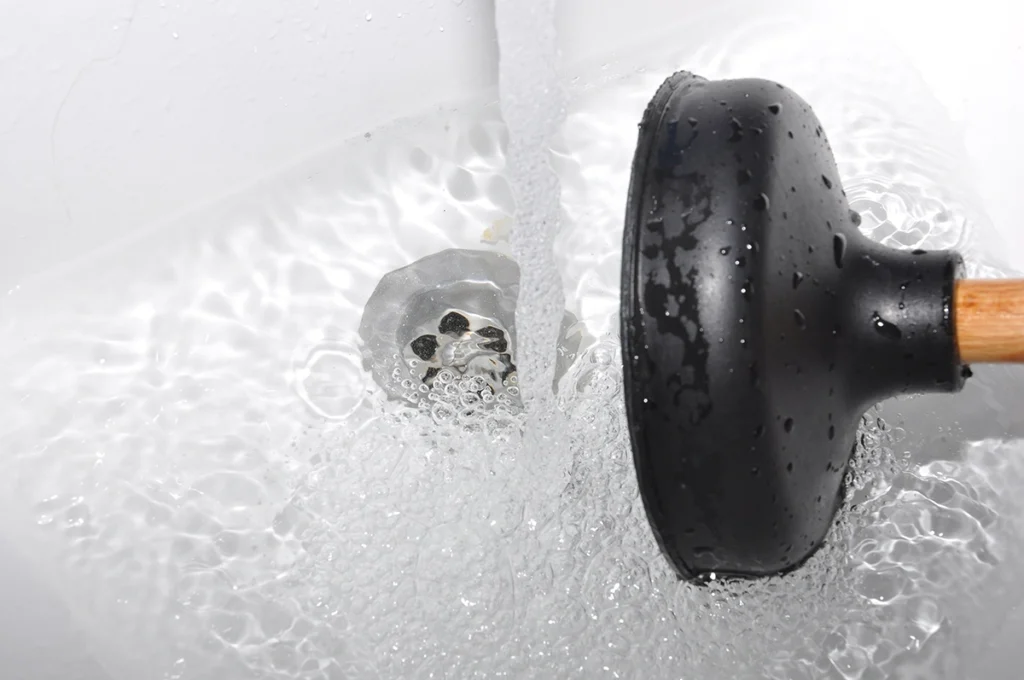
If you’ve tried using a plunger or basic cleaning methods without success, it’s time to call in a certified technician. Continuing to pour chemicals down the drain or using excessive force with a plunger can worsen the problem and lead to costly repairs. The team at Efficiency Plumbing is available to diagnose and resolve any drain issue quickly and effectively.
Trust Efficiency Plumbing for Reliable Drain Clearing
At Efficiency Plumbing, Heating & Air, we’ve been helping Massachusetts homeowners keep their plumbing systems running smoothly since 2015. Our certified technicians use professional-grade equipment and proven techniques to clear even the most stubborn shower drain clogs. We take the time to diagnose the root cause of your drainage issue and provide long-lasting solutions—not just quick fixes.
Whether you’re dealing with a slow drain, a complete blockage, or recurring clogs that keep coming back, we’re here to help. We maintain strict health and safety protocols, sanitizing between every visit and treating your home with respect. From drain clearing to full plumbing inspections, we deliver quality workmanship you can count on.
If you’re tired of dealing with a clogged shower drain, don’t wait for the problem to get worse. Contact Efficiency Plumbing today to schedule a service call. Our experienced team will have your drains flowing freely again in no time, and we’ll help you prevent future clogs with expert advice tailored to your home’s plumbing system.
Step-by-Step Guide
Check for slow drainage
Notice if water pools around your feet during showers or takes several minutes to drain completely afterward. Slow drainage is the earliest warning sign of a developing clog.
Look for visible debris
Remove the drain cover and use a flashlight to inspect the opening. You may see accumulated hair, soap buildup, or other debris near the surface that indicates a deeper blockage.
Listen for unusual sounds
Pay attention to gurgling or bubbling noises when water drains. These sounds suggest air is trapped by a partial blockage somewhere in the line.
Test multiple drains
Check whether other bathroom drains are also slow or backed up. Multiple affected drains may indicate a more serious clog in your main drainage system rather than just the shower line.
Note any odors
Foul smells coming from the drain suggest organic matter is trapped and decomposing in your pipes. This typically means a clog has been present for some time.
Professional camera inspection
A licensed plumber will use a specialized camera to see inside your pipes, identifying the exact location and nature of the blockage so they can choose the most effective clearing method.
Mechanical snaking or hydro jetting
Your technician will either use a professional-grade drain snake to break up and remove the clog, or employ hydro jetting with high-pressure water for more stubborn blockages and thorough pipe cleaning.
Post-clearing inspection and prevention
After clearing the drain, the plumber will test water flow, inspect the P-trap and drain assembly for damage, and provide recommendations to prevent future clogs based on your specific plumbing setup.
Frequently Asked Questions About How to Unclog a Shower Drain
What’s the most common reason a shower drain clogs?
Hair is the most common cause of shower drain clogs. It binds with soap residue and other debris to form tough blockages that restrict water flow over time.
Can I use chemical drain cleaners to unclog my shower?
Chemical drain cleaners are not recommended because they can corrode pipes, are often ineffective against hair clogs, and may cause long-term damage to your plumbing system.
How do plumbers unclog shower drains?
Professional plumbers typically use a drain snake or auger to mechanically remove blockages. For stubborn clogs, they may use hydro jetting with high-pressure water to clear buildup and clean pipe walls.
How can I prevent my shower drain from clogging?
Install a drain cover or hair catcher, flush the drain with hot water after each use, and schedule annual professional drain cleaning to catch small blockages before they become major problems.