Few things disrupt your morning routine quite like turning on the shower and discovering you have no hot water in your shower. While the rest of your home might have perfectly warm water, a cold shower can send you scrambling for answers. At Efficiency Plumbing, Heating & Air, we’ve helped countless homeowners diagnose and resolve this frustrating issue since 2015. We know exactly what causes it and how to get your hot water flowing again.
Why Does Only My Shower Have No Hot Water?
When you’re dealing with no hot water in the shower but have it everywhere else in your home, the problem is typically isolated to that specific fixture. This means it’s not your entire water heating system. According to the U.S. Department of Energy, water heating accounts for about 18% of your home’s energy use, which is why it helps to figure out whether the issue affects the whole system or just one shower.
The issue usually involves the shower valve, mixing components, or supply lines leading specifically to that shower. Your shower relies on a balancing or thermostatic valve that mixes hot and cold water. This delivers a comfortable temperature.
When this valve malfunctions or becomes blocked, it can restrict or completely shut off the hot water supply. However, because other faucets and fixtures in your home continue working normally, you can rule out water heater failure in most cases.
Common Causes of No Hot Water in Your Shower
If you have no hot water in your shower but other fixtures still work, the cause is usually tied to that specific shower and not your entire water heater. In many cases, the issue comes down to a worn valve component, a blockage, or another plumbing problem that prevents hot water from reaching the fixture.
Faulty Shower Valve or Cartridge
The shower valve cartridge is one of the most common culprits behind a cold shower. This component controls the mix of hot and cold water. Over time, mineral deposits from hard water can build up inside the cartridge.
Eventually, these deposits can restrict water flow or cause the cartridge to stick. When this happens, the cartridge only allows cold water through. Sometimes the cartridge itself simply wears out from years of use.
When cartridges fail, the internal components that regulate temperature stop functioning properly. You might notice the handle feels loose or doesn’t turn smoothly. Often, this indicates cartridge problems. A certified plumber can diagnose whether the cartridge needs replacement and install a new one that matches your specific valve type.
Broken or Malfunctioning Mixing Valve
Your shower’s mixing valve balances hot and cold water to prevent scalding and maintain consistent temperature. If this valve breaks or its internal mechanism fails, it might default to only allowing cold water through as a safety measure.
This is especially common in anti-scald valves, which are designed to shut off hot water if they detect dangerous temperatures. These valves can also become cross-threaded during installation. Additionally, they can develop cracks in their housing over time.
When that happens, the valve can’t properly regulate water temperature anymore. Our technicians frequently find that older mixing valves simply reach the end of their serviceable life. In such cases, they need professional replacement.
Blocked Hot Water Supply Line
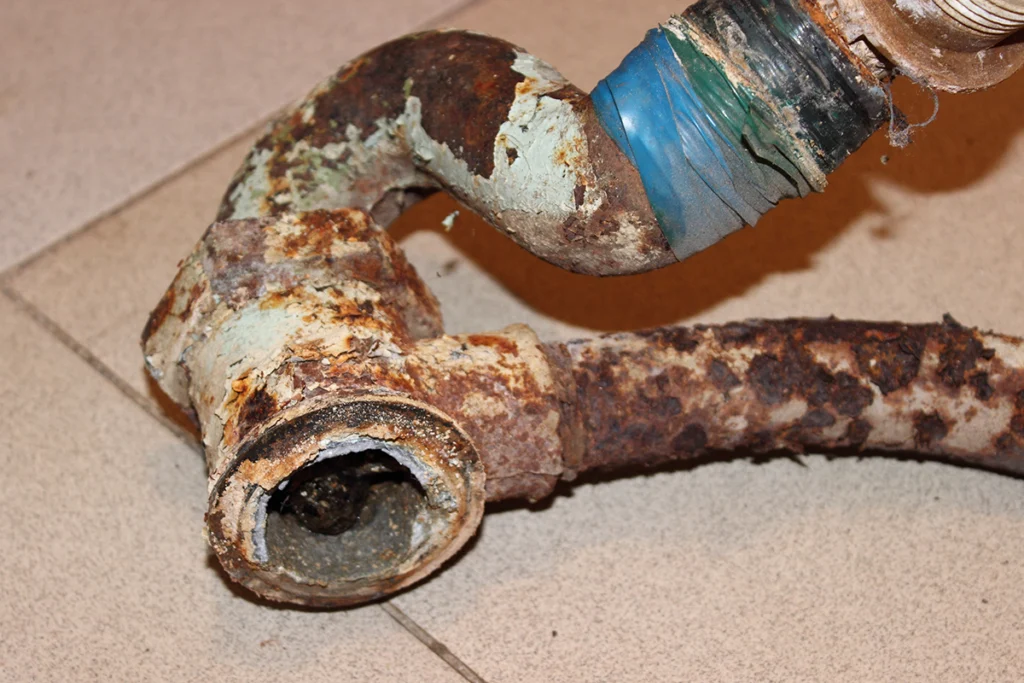
The dedicated hot water line running to your shower can become partially or fully blocked. Sediment, mineral buildup, or even debris left behind during plumbing work can cause this. Hard water areas like ours are particularly prone to this issue because dissolved minerals gradually accumulate inside pipes.
In some cases, a shut-off valve for the hot water line to that bathroom might be partially closed. This could have happened during previous plumbing work or routine maintenance. Either way, restricted flow means little to no hot water reaches your shower head, even though the water heater itself is working perfectly fine.
Damaged Dip Tube in Water Heater
While less common when only one shower is affected, a broken dip tube in your water heater can cause hot water issues. The dip tube directs cold incoming water to the bottom of the tank where it gets heated.
If this tube breaks, cold water mixes with the hot water at the top of the tank. As a result, this produces lukewarm or cold water throughout your home. However, if you’re experiencing this problem exclusively in one shower, the dip tube is probably not the issue.
Still, it’s worth mentioning because our technicians check the entire system when diagnosing hot water problems. This ensures we identify the root cause.
How to Identify What’s Causing Your Cold Shower
Before calling a professional, you can perform a few simple checks to help identify the problem. Start by testing other hot water fixtures in your home—sinks, tubs, and other showers. If they all have hot water except the one shower, you’ve confirmed the issue is isolated to that fixture.
Next, check whether you have any hot water at all in the affected shower. Try turning the handle to the hottest setting and let it run for a minute or two. If you get lukewarm water but not truly hot water, this suggests a mixing valve issue.
If the water stays ice cold no matter how long you run it, you likely have a blockage or valve failure. Listen carefully while the water runs. Unusual sounds like whistling, banging, or gurgling can indicate problems with water pressure or air in the lines. These symptoms help our technicians pinpoint the exact cause more quickly once we arrive.
You should also consider whether this problem developed suddenly or gradually. A sudden loss of hot water often points to a broken component. In contrast, gradually decreasing water temperature typically indicates buildup or sediment accumulation. This timeline provides valuable diagnostic information.
Why Professional Shower Valve Repairs Are Essential
While it might be tempting to take apart your shower valve yourself, we strongly recommend against it. Shower valves are complex assemblies with multiple small parts. These must be reassembled in exactly the right order.
Using the wrong replacement cartridge or installing it incorrectly can make the problem worse. It can also potentially cause water damage. Working on shower plumbing also requires shutting off water supplies. Sometimes it involves cutting into walls to access the valve body.
Without proper tools and experience, you risk damaging surrounding tile, drywall, or other plumbing components. What starts as a simple fix can quickly become an expensive renovation project. Modern shower systems also have built-in safety features like anti-scald valves that must be properly calibrated.
Incorrect adjustment can result in dangerously hot water that could cause burns. Our certified technicians have the training and specialized tools to ensure your shower operates safely and reliably.
What to Expect When You Call Efficiency Plumbing
When you contact us about no hot water in your shower, we’ll schedule a convenient appointment and arrive fully prepared to diagnose the issue. Our technicians will first test the hot water at other fixtures to confirm the problem is isolated.
Then we’ll inspect the shower valve, check water pressure, and examine accessible plumbing connections. In most cases, we can identify the problem within minutes thanks to our years of experience with these exact issues.
Once we’ve diagnosed the cause, we’ll explain your options clearly and provide upfront pricing before beginning any work. We always carry common replacement parts on our service vehicles. As a result, we can often complete repairs the same day.
Throughout the service call, we maintain strict cleanliness standards by sanitizing our work area and wearing protective equipment. We respect your home and ensure everything is left clean and functioning properly before we leave. Plus, we stand behind our work with solid warranties on both parts and labor.
Preventing Future Hot Water Problems
Once we’ve restored your hot water, you’ll want to keep it flowing reliably. Regular water heater maintenance helps prevent sediment buildup that can affect your entire plumbing system. We recommend annual water heater flushes, especially in areas with hard water.
Consider installing a water softener if you don’t already have one. Hard water is the leading cause of mineral buildup in shower valves, cartridges, and supply lines. By reducing mineral content, you’ll extend the life of your plumbing fixtures significantly.
Pay attention to early warning signs like gradually decreasing water temperature or changes in water pressure. Addressing small issues promptly prevents them from becoming major problems. If you notice your shower temperature becoming inconsistent, that’s your cue to schedule professional water heater repair before you lose hot water completely.
Keep in mind that shower valves and cartridges don’t last forever. Depending on water quality and usage patterns, they typically need replacement every 10 to 15 years. Staying ahead of this maintenance schedule means you won’t be caught off guard by a cold morning shower. If you’re dealing with recurring hot water problems, contact our team at Efficiency Plumbing, Heating & Air for service in Hanover, MA, or the surrounding areas.
Frequently Asked Questions
Why do I have hot water everywhere except my shower?
This typically indicates a problem with your shower’s mixing valve or cartridge rather than your water heater. The valve may be stuck, clogged with mineral deposits, or malfunctioning. A blocked hot water supply line to that specific fixture is also possible. A licensed plumber can diagnose the exact cause and restore your hot water.
How long does it take to fix a shower with no hot water?
Most shower valve repairs take one to three hours depending on the specific problem and valve type. Simple cartridge replacements are usually completed within an hour. However, full valve replacements or repairs requiring wall access may take longer. Our technicians carry common parts to complete most repairs in a single visit.
Can a water heater cause one shower to have no hot water?
While uncommon, a failing water heater with a broken dip tube can affect fixtures differently. This depends on their distance from the heater and pipe configuration. However, if only one shower lacks hot water while all other fixtures work fine, the problem almost always lies with that shower’s valve or supply line, not the water heater itself.
Should I replace my shower valve or just the cartridge?
If only the cartridge is worn or clogged, replacing just that component is usually sufficient and more cost-effective. However, if the valve body is corroded, cracked, or outdated, full valve replacement is recommended. Our plumbers will assess your specific situation and recommend the most appropriate and economical solution for your shower.