
The p trap is one of the most important components in your home’s plumbing system, yet many homeowners don’t fully understand its function until something goes wrong. This curved pipe section beneath your sinks, tubs, and floor drains plays a crucial role in keeping sewer gases out of your home while allowing wastewater to flow freely to the main drain line.
At Efficiency Plumbing, Heating & Air, we’ve been helping homeowners in Massachusetts identify and resolve p trap issues since 2015. Understanding how to recognize the warning signs of p trap problems can help you know when it’s time to call a professional plumber before a minor issue becomes a major headache.
What Is a P Trap and Why It Matters
A p trap is a U-shaped or P-shaped section of pipe that sits beneath your sink, bathtub, or floor drain. Its primary function is to create a water seal that prevents sewer gases from entering your home through the drainage system. The curved design holds a small amount of water at all times, creating an effective barrier against odors and potentially harmful gases.
Every fixture connected to your home’s drainage system should have a functioning trap. Kitchen sinks, bathroom sinks, bathtubs, showers, and floor drains all rely on these essential components to maintain proper sanitation and safety in your home.
When this drain component fails to function properly, you’ll notice several distinct warning signs that indicate professional attention is needed. These issues can range from minor inconveniences to serious health and safety concerns.
Common P Trap Problems Homeowners Face
Common drain trap issues often start with small warning signs that are easy to ignore. However, those early symptoms can point to bigger plumbing problems if the issue is left untreated. Knowing what to watch for can help you decide when it’s time to bring in a professional.
Persistent Sewer Odors
One of the most obvious signs of p trap trouble is the presence of sewer odors coming from your drains. When you smell unpleasant sewage-like odors near sinks, tubs, or floor drains, it typically indicates that the water seal in your trap has been compromised.
This can happen for several reasons. If a fixture hasn’t been used for an extended period, the water in the p trap can evaporate, breaking the seal. Alternatively, powerful suction from other drains or improper venting can siphon water out of the trap, allowing gases to escape into your home.
Slow Draining Water
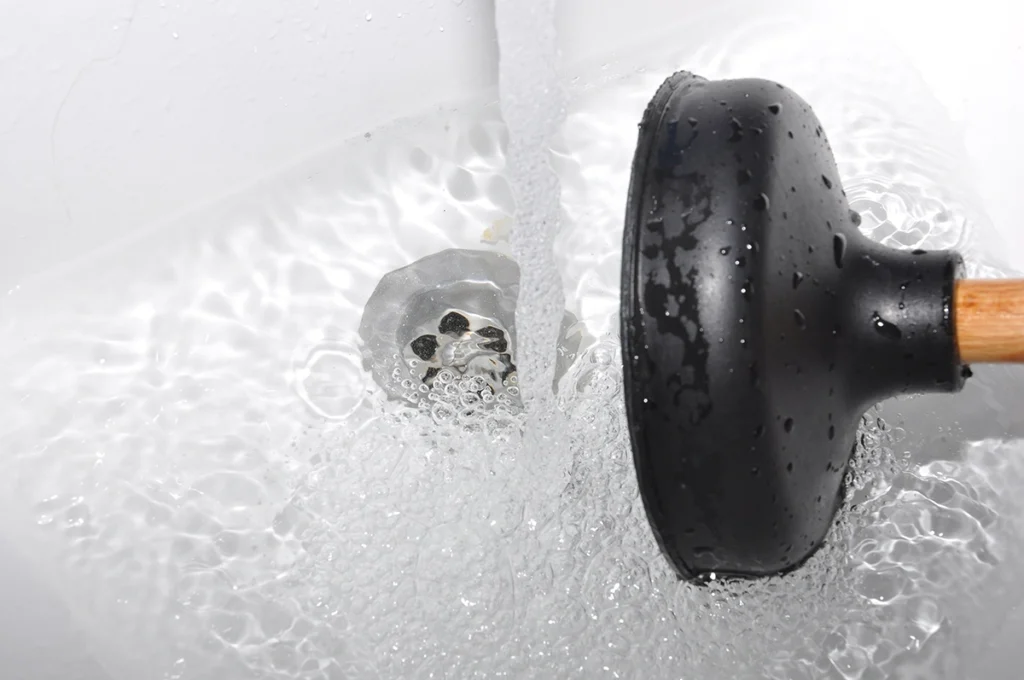
When water drains slowly from your sink or tub, the p trap may be partially blocked with debris, grease, or other materials. Unlike bathroom sink clogs that occur in the drain line itself, p trap blockages happen right at the curved section where debris naturally settles.
Kitchen traps commonly collect grease, food particles, and soap residue. Bathroom traps tend to accumulate hair, soap scum, and personal care product residue. Over time, these materials build up and restrict water flow through the trap.
Visible Leaks Around the Trap
Water pooling beneath your sink or around the base of fixtures often indicates a leaking p trap. These leaks can occur at connection points where the trap meets other pipes, or the trap itself may have developed cracks or corrosion over time.
Leaks not only waste water but can also cause significant damage to cabinets, flooring, and surrounding structures if left unaddressed. The constant moisture creates ideal conditions for mold and mildew growth, potentially affecting your home’s indoor air quality.
Gurgling Sounds From Drains
Strange gurgling or bubbling sounds coming from your drains often signal p trap issues. These noises typically occur when air is being pulled through the water seal due to improper venting or blockages in the drainage system.
The gurgling sound indicates that the normal flow of water and air through your plumbing system has been disrupted, which can compromise the effectiveness of your p trap’s water seal.
What Causes P Trap Problems
Understanding the root causes of these drain issues helps homeowners recognize when professional intervention is necessary. Several factors contribute to trap problems, and most require the expertise of a licensed plumber to resolve properly.
Debris Accumulation: Over time, various materials naturally collect in the curved section of the trap. Kitchen traps accumulate grease, food scraps, and soap residue, while bathroom traps collect hair, soap scum, and personal care products.
Corrosion and Age: Older p traps, especially those made from metal materials, can develop leaks due to corrosion. The constant presence of water and various chemicals from cleaning products accelerates this deterioration process.
Improper Installation: P traps that weren’t installed correctly may develop problems over time. Improper angles, inadequate support, or incorrect connections can lead to leaks, poor drainage, or loss of the water seal.
Ventilation Issues: Problems with your home’s plumbing vents can affect trap function. Poor ventilation can create suction that pulls water out of the trap or prevents proper drainage.
According to the Environmental Protection Agency, plumbing trap problems can affect indoor air quality by allowing sewer gas to enter the home.
When to Call a Professional Plumber
While some homeowners attempt to address p trap issues themselves, most problems require professional expertise to resolve safely and effectively. A certified technician has the tools, knowledge, and experience to diagnose the root cause of p trap problems and implement lasting solutions.
Professional plumbers can quickly identify whether the issue stems from the p trap itself, connected drainage lines, or ventilation problems. They have specialized equipment to safely remove and clean p traps, replace damaged components, and ensure all connections meet local building codes.
Additionally, working on p trap repairs often involves exposure to sewer gases and potentially hazardous materials. Professional plumbers follow proper safety protocols and have the equipment necessary to work in these conditions safely.
What Professional P Trap Repair Involves
When you contact Efficiency Plumbing for p trap issues, our certified technicians follow a systematic approach to diagnose and resolve the problem. The process begins with a thorough inspection of the affected fixture and surrounding plumbing components.
Your plumber will assess the condition of the p trap, check for proper installation, and identify any underlying issues that may have contributed to the problem. This comprehensive evaluation ensures that repairs address both the immediate concern and any potential future issues.
For blockages, professional plumbers use specialized tools and techniques to safely remove accumulated debris without damaging the trap or connected pipes. They can also identify whether the blockage extends beyond the p trap into the main drain line, which might require additional services like shower drain cleaning.
When replacement is necessary, professional plumbers select appropriate materials based on your home’s plumbing system, local building codes, and the specific requirements of each fixture. They ensure all connections are properly sealed and that the new p trap maintains the correct angle for optimal function.
Preventing Future P Trap Problems
While some p trap issues are unavoidable due to normal wear and age, homeowners can take several steps to minimize problems and extend the life of these essential components.
Regular Use: Ensure all fixtures in your home are used regularly to maintain water seals in their p traps. If you have seldom-used sinks or floor drains, run water through them periodically to prevent the trap from drying out.
Proper Disposal Practices: Avoid putting grease, food scraps, hair, and other debris down your drains. These materials contribute to blockages and can accelerate p trap deterioration.
Professional Maintenance: Include trap inspection and cleaning as part of your regular plumbing maintenance routine. Professional plumbers can identify potential problems before they become major issues.
Monitor for Warning Signs: Pay attention to changes in drainage speed, unusual odors, or strange sounds coming from your drains. Early detection allows for prompt professional intervention before problems worsen.
The Importance of Professional Installation and Repair
P trap installation and repair require specific knowledge of local plumbing codes, proper materials, and correct installation techniques. Professional plumbers ensure that repairs meet all applicable standards and provide long-lasting results.
Attempting DIY repairs on p traps can lead to improper installation, code violations, and potentially dangerous conditions. Professional plumbers have the expertise to identify and address all related issues, ensuring your plumbing system operates safely and efficiently.
At Efficiency Plumbing, our certified team provides comprehensive plumbing repair services throughout Massachusetts. We understand the importance of properly functioning p traps and provide reliable solutions that protect your home and family.
If you’re experiencing any signs of p trap problems, don’t wait for the situation to worsen. Contact our team today for prompt, professional service that gets your plumbing system back to optimal condition.
Frequently Asked Questions
How do I know if my p trap is clogged or just needs cleaning?
Signs of a clogged p trap include slow drainage, gurgling sounds, and persistent odors from the drain. A professional plumber can determine whether cleaning or replacement is needed.
Can I use chemical drain cleaners to fix p trap problems?
Chemical drain cleaners can damage p trap materials and may not effectively remove blockages. Professional cleaning is safer and more effective for p trap issues.
How often should p traps be inspected or maintained?
P traps should be inspected during annual plumbing maintenance. If you notice slow drainage, odors, or other warning signs, contact a plumber immediately.
What causes the water seal in a p trap to disappear?
Water seals can disappear due to evaporation from lack of use, improper venting, or siphoning caused by other drains. Professional diagnosis can identify the specific cause.