Nothing’s more frustrating than turning on the tap and watching water trickle out instead of flow. If you’re dealing with weak faucets, showers that barely spray, or appliances that take forever to fill, you might need a plumber for low water pressure to diagnose what’s going on. At Efficiency Plumbing, Heating & Air, we’ve helped countless homeowners in the area identify and resolve water pressure issues since 2015. While low water pressure might seem like a minor annoyance at first, it often signals underlying plumbing problems that deserve professional attention. That’s why we’re here to help you understand what causes these issues and when to call for expert help.
Understanding What Causes Low Water Pressure in Your Home
Water pressure problems don’t just happen randomly. There are several common culprits behind weak water flow throughout your home. The first step in fixing the problem is figuring out what’s actually causing it. Because water pressure issues can stem from multiple sources, identifying the root cause requires both experience and the right diagnostic tools.
One of the most common reasons we see is mineral buildup inside pipes. Over time, calcium, magnesium, and other minerals in hard water accumulate on pipe walls. This gradually narrows the pathway water travels through. The restriction becomes especially noticeable in older homes where decades of buildup have created significant blockages. Even so, newer homes aren’t immune if the local water supply contains high mineral content.
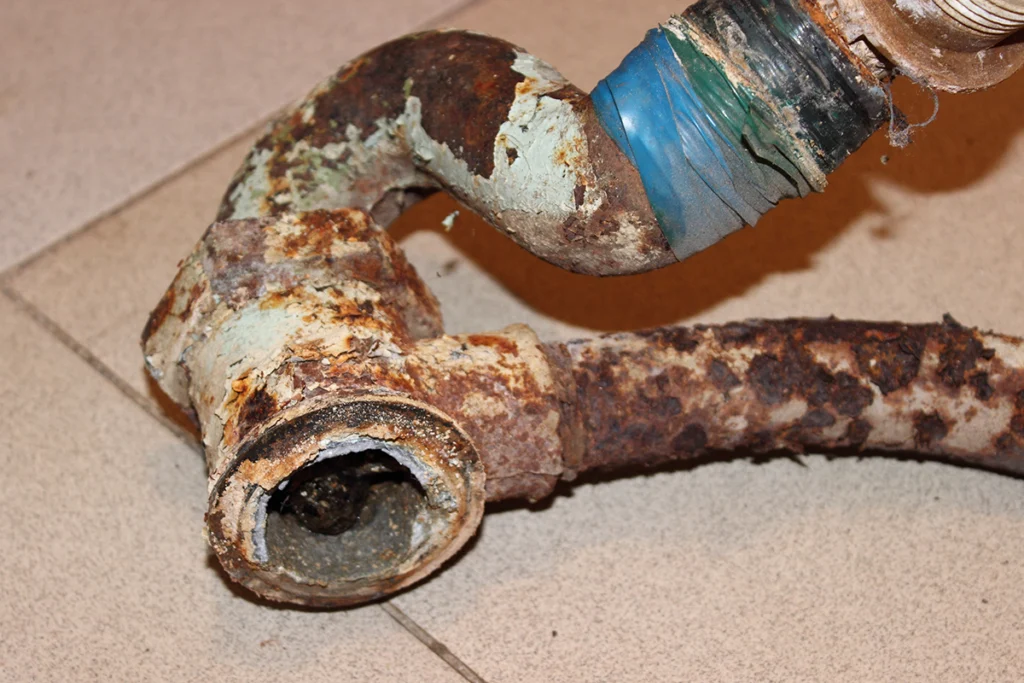
Corroded pipes present another frequent issue, particularly in homes with galvanized steel piping. As these pipes age, rust and corrosion eat away at the interior surfaces. This creates rough, uneven passages that impede water flow. Along with reduced pressure, corroded pipes often lead to discolored water and eventual leaks if left unaddressed.
Your pressure regulator might also be the problem. This device controls the water pressure entering your home from the municipal supply line. When it malfunctions or gets set too low, every fixture in your house will suffer from weak flow. Conversely, if it’s set too high or fails completely, you risk damaging pipes and appliances with excessive pressure.
Hidden Leaks Can Silently Steal Your Water Pressure
Sometimes low water pressure indicates a leak somewhere in your plumbing system. Because water is escaping through a crack or loose connection, there’s simply less pressure available at your fixtures. These leaks can hide in walls, under slabs, or in crawl spaces where you won’t notice them until significant damage occurs. That’s why sudden pressure drops warrant immediate professional inspection. According to the U.S. Environmental Protection Agency’s WaterSense program, household leaks can waste more than 9,300 gallons of water each year.
Partially closed shut-off valves represent another surprisingly common issue. Your home has main water valves and individual fixture shut-offs that control water flow. If someone partially closed one of these valves during a previous repair and forgot to open it fully, you’ll experience reduced pressure in specific areas. A certified technician can quickly check these valves and ensure they’re properly positioned for optimal flow. Understanding where your main water valve is located can help you troubleshoot basic issues before calling a professional.
When to Call a Plumber for Low Water Pressure Issues
Not every pressure fluctuation requires professional intervention right away. For instance, if your entire neighborhood experiences low pressure simultaneously, the issue likely stems from the municipal water supply rather than your home’s plumbing. Once the water company resolves that, your pressure should return to normal.
However, you should definitely call a plumber for low water pressure when the problem persists in your home alone or affects multiple fixtures. If only one faucet has weak flow, the issue might be localized to that fixture. But when showers, sinks, and appliances all struggle with inadequate pressure, deeper plumbing problems are almost certainly at play.
We also recommend professional evaluation if you notice sudden pressure changes. A gradual decline over months or years often indicates mineral buildup. Meanwhile, an abrupt drop suggests a broken pipe, failed pressure regulator, or hidden leak. Either way, certified technicians have the diagnostic equipment to pinpoint the exact cause without guesswork.
Discolored water accompanying low pressure is another red flag that demands immediate attention. Brown, yellow, or rusty water typically means corroded pipes are deteriorating inside your walls. This situation will only worsen over time. As a result, it could lead to burst pipes and extensive water damage if not addressed promptly.
How Professional Plumbers Diagnose Pressure Problems
When you call Efficiency Plumbing, Heating & Air for a pressure issue, we start with a comprehensive evaluation of your entire system. Our certified technicians use pressure gauges to measure actual PSI (pounds per square inch) at various points throughout your home. This testing reveals whether pressure loss occurs uniformly or only in certain areas. Consequently, it helps narrow down the cause.
A plumber for low water pressure will also inspect your pressure regulator to make sure it is functioning properly and set to the appropriate level. Most homes should maintain between 40 and 60 PSI for optimal performance. Because regulators can fail without obvious warning signs, testing is the only reliable way to verify proper operation.
Next, we examine accessible piping to look for visible signs of corrosion, leaks, or damage. While some pipes hide behind walls and under floors, exposed sections in basements, crawl spaces, and utility areas often provide valuable clues about overall system condition. We look for rust stains, mineral deposits, and moisture that indicate active problems.
Advanced Tools a Plumber for Low Water Pressure May Use
For hidden issues, a plumber for low water pressure may use specialized equipment like camera inspection systems. These systems can navigate inside pipes to identify blockages, buildup, or damage without destructive exploratory work. The cameras provide real-time video that shows exactly what’s happening inside your plumbing. This allows for accurate diagnosis and targeted repairs.
We also check your main water line and meter to rule out supply-side problems. Sometimes the issue originates with your connection to the municipal system rather than inside your home. By testing at multiple points from the street to your fixtures, we can determine precisely where pressure drops occur.
What Professional Solutions Look Like
Once a plumber for low water pressure identifies the source of the problem, the next step is explaining your options and recommending the most effective solution. The specific approach depends entirely on what’s causing the issue. For failed pressure regulators, your Efficiency Plumbing pro will replace the unit. This typically restores proper pressure throughout the entire house almost immediately.
When mineral buildup is the culprit, a certified technician will implement solutions ranging from cleaning individual fixtures to installing a whole-house water softener that prevents future accumulation. In severe cases where pipes are significantly restricted, targeted pipe replacement in affected sections might be necessary. Our team will always provide honest assessments about whether repairs make sense or if more extensive work is warranted.
Corroded pipes generally require replacement rather than repair, especially if the corrosion is widespread. While this represents a larger investment, modern piping materials like PEX and copper last decades without the corrosion issues that plagued older galvanized systems. Plus, you’ll enjoy improved water quality along with restored pressure.
If hidden leaks are causing the problem, a plumber for low water pressure will need to locate and repair the leak first. Then they’ll verify that pressure returns to normal levels. Sometimes leaks cause secondary problems that also need addressing, such as water damage to surrounding structures. That’s why thorough inspection matters even after the primary issue gets fixed.
Preventive Measures Worth Considering
After resolving your immediate pressure problems, we can also recommend preventive measures that protect your plumbing long-term. Water softeners significantly reduce mineral buildup in areas with hard water. Whole-house filtration systems remove sediment and contaminants that contribute to pipe damage. Additionally, regular maintenance inspections catch developing issues before they become major problems.
At Efficiency Plumbing, Heating & Air, we prioritize both immediate solutions and long-term plumbing health. Our certified technicians maintain strict health protocols, sanitizing between visits to keep your home safe. Since 2015, we’ve built our reputation on quality workmanship and customer satisfaction, treating every home like our own.
The Cost of Ignoring Low Water Pressure
Some homeowners try to live with reduced water pressure rather than addressing it. However, this approach often costs more in the long run. Low pressure makes everyday tasks take longer and reduces quality of life. More importantly, the underlying causes frequently worsen over time. This leads to emergency repairs that cost significantly more than proactive fixes.
Corroded pipes don’t improve on their own—they continue deteriorating until they fail completely, potentially flooding your home. Hidden leaks waste hundreds of gallons of water monthly, driving up utility bills while damaging your home’s structure. Malfunctioning pressure regulators can allow excessive pressure that damages water heaters, washing machines, and other appliances. Water heater component issues often arise from improper pressure levels.
That’s why we always recommend addressing pressure issues promptly. Early intervention typically involves simpler, less expensive solutions compared to emergency repairs after pipes burst or extensive damage occurs. Our team provides transparent pricing and clear explanations so you can make informed decisions about your plumbing. If you think you may need a plumber for low water pressure, we encourage you to schedule a professional inspection before minor issues become major headaches.
Frequently Asked Questions
How much does it cost to fix low water pressure?
The cost depends entirely on the underlying cause. Simple fixes like pressure regulator adjustments might cost $150-$300. Meanwhile, extensive pipe replacement can run several thousand dollars. A professional diagnosis determines exactly what’s needed. We provide detailed estimates before starting any work so you know the investment upfront.
Can low water pressure damage my plumbing or appliances?
Low pressure itself doesn’t cause damage, but the underlying problems often do. Corroded pipes can burst, causing flooding and structural damage. Hidden leaks waste water and damage walls, floors, and foundations. Meanwhile, appliances like water heaters and washing machines may not function efficiently with inadequate pressure. This could potentially shorten their lifespan.
Why is water pressure low in only one part of my house?
Localized pressure loss typically indicates a problem in the pipes serving that specific area. Common causes include partial valve closure, mineral buildup in that branch of piping, or a leak in that section. While visible issues may be apparent, multiple fixtures with low pressure in one area require professional diagnosis to identify the exact cause.
How long does it take to fix low water pressure problems?
Simple repairs like pressure regulator replacement or valve adjustments often take just an hour or two. More complex issues like pipe replacement or leak repairs can take several hours to a full day. The time depends on accessibility and extent of work needed. We’ll provide a time estimate once we’ve diagnosed the specific problem.