When your tankless water heater isn’t delivering enough hot water to multiple fixtures simultaneously, understanding GPM (gallons per minute) flow rates becomes crucial. Many homeowners wonder how to increase their tankless water heater’s GPM output, but the solution often involves more than simple adjustments.
Understanding Tankless Water Heater GPM Basics
GPM measures how much hot water your tankless unit can produce per minute at a specific temperature rise. Unlike traditional tank systems that store heated water, tankless units heat water on-demand, making flow rate a critical performance factor.
Most residential tankless water heaters produce between 2-8 GPM, depending on unit size and fuel type. Gas units typically offer higher flow rates than electric models, with condensing gas units often delivering the highest GPM output.
The key limitation isn’t just the unit itself—it’s the temperature rise required. A tankless heater that produces 8 GPM at a 35°F temperature rise might only deliver 4 GPM when heating incoming 40°F water to 120°F (an 80°F rise).
Factors That Limit Your Current GPM Performance
Several factors can restrict your tankless water heater’s actual flow rate below its rated capacity. Mineral buildup from hard water creates internal scaling that narrows water passages, reducing flow and efficiency over time.
Inadequate gas supply or electrical capacity also limits performance. Your tankless unit needs proper fuel delivery to maintain its rated BTU output. If your gas line is undersized or your electrical service insufficient, the unit cannot reach maximum heating capacity.
Cold inlet water temperatures significantly impact GPM output. During winter months when groundwater temperatures drop, your unit must work harder to achieve the same temperature rise, naturally reducing available flow rate.
Simultaneous hot water demand from multiple fixtures creates another bottleneck. Running a shower, dishwasher, and washing machine simultaneously can exceed even a properly sized unit’s capacity.
Professional Solutions for Increasing GPM Output
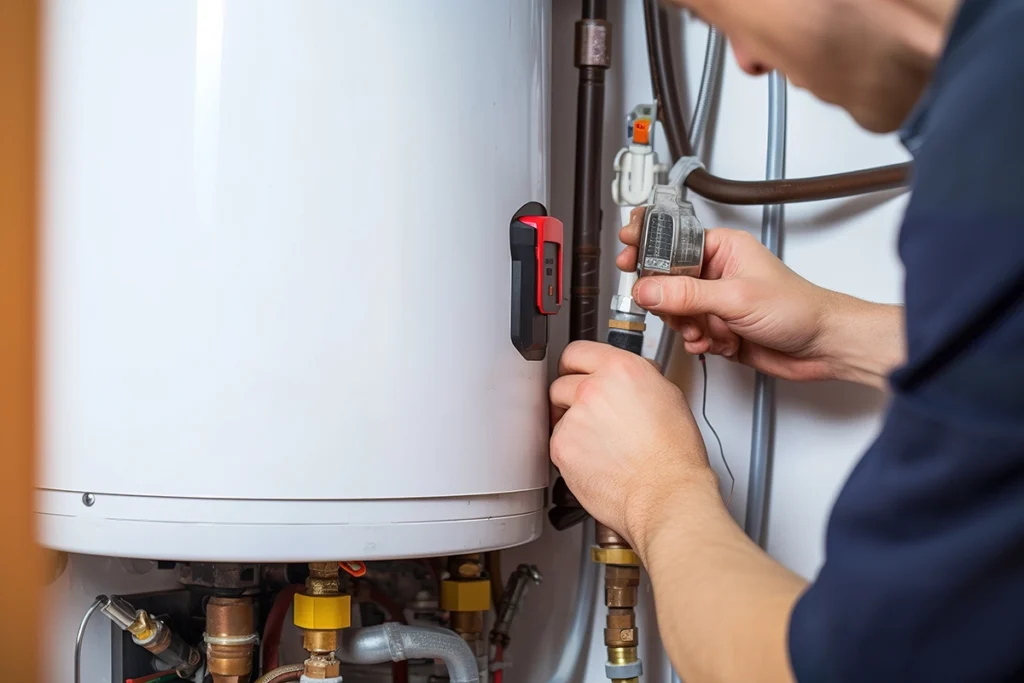
A certified technician can evaluate your system and implement several strategies to optimize GPM performance. Professional descaling removes mineral buildup that restricts water flow, often restoring units to near-original specifications.
Upgrading to a higher-capacity unit provides the most significant GPM improvement. Your pro will calculate your home’s peak hot water demand and recommend appropriately sized equipment. Commercial-grade units or multiple tankless heaters in parallel configuration can handle larger homes with high demand.
Gas line upgrades might be necessary for maximum performance. Many existing gas lines were sized for traditional water heaters and cannot supply the higher BTU requirements of large tankless units. A licensed professional can assess and upgrade your gas supply system.
For electric units, electrical service upgrades may be required. High-output electric tankless heaters demand significant amperage that older electrical panels cannot provide safely.
Signs Your System Needs Professional GPM Optimization
Several symptoms indicate your tankless water heater cannot meet your home’s hot water demands. Temperature fluctuations during simultaneous use suggest inadequate GPM capacity for your household’s needs.
Reduced hot water pressure compared to cold water often indicates internal scaling or undersized equipment. If your shower pressure drops significantly when someone runs the dishwasher, your system likely needs professional attention.
Longer wait times for hot water at distant fixtures can signal inadequate flow rates. While some delay is normal with tankless systems, excessive wait times may indicate performance issues.
Inconsistent water temperatures during heavy use periods point to GPM limitations. If your morning shower turns lukewarm when others are using hot water, your system cannot handle peak demand.
If you’re experiencing issues with your current system, our team can help with water heater repair services to restore optimal performance.
When Multiple Units Make Sense
Large homes or properties with high hot water demand may benefit from multiple tankless units. A certified technician can design systems with dedicated units for different zones—one for bathrooms, another for kitchen and laundry areas.
This approach provides redundancy and ensures adequate GPM for simultaneous use. If one unit requires maintenance, others continue providing hot water. Professional installation ensures proper sizing, placement, and integration of multiple systems.
Tankless systems can also be combined with recirculation pumps to reduce wait times while maintaining efficient operation. Your technician will evaluate whether this configuration benefits your specific layout and usage patterns.
Maintenance Impact on GPM Performance
Regular professional maintenance directly affects your tankless water heater’s GPM output. Annual flushing removes mineral deposits that gradually reduce internal flow capacity.
Proper maintenance also includes inspecting and cleaning the unit’s heat exchanger, checking gas or electrical connections, and verifying proper venting. These services ensure your system operates at peak efficiency and maximum rated GPM.
Neglected maintenance can reduce GPM output by 30% or more over time. Professional service restores performance and extends equipment life, making it a cost-effective investment in your home’s hot water system.
Understanding common maintenance issues like dip tube problems can help you recognize when professional service is needed.
Working with Efficiency Plumbing for GPM Solutions
At Efficiency Plumbing, Heating & Air, our certified technicians specialize in optimizing tankless water heater performance. We assess your current system’s limitations and recommend solutions that match your household’s hot water demands.
Our team handles everything from routine maintenance and repairs to complete system upgrades and multi-unit installations. We ensure proper sizing, installation, and integration with your home’s existing plumbing and utility systems.
Whether your tankless system needs professional cleaning, component replacement, or complete upgrading, we provide reliable solutions that restore optimal GPM performance. Don’t let inadequate hot water flow disrupt your daily routine—contact us today for expert tankless water heater services.
Frequently Asked Questions
Can I increase my tankless water heater’s GPM by adjusting settings?
No, GPM output is determined by the unit’s internal components and fuel supply capacity. Only professional upgrades like descaling, equipment replacement, or utility improvements can meaningfully increase flow rates.
What GPM rating do I need for a family of four?
Most families of four need 6-8 GPM capacity to handle simultaneous hot water use. However, your specific needs depend on usage patterns, fixture types, and inlet water temperature.
Why does my tankless water heater’s GPM seem lower in winter?
Cold inlet water requires more energy to heat, reducing available GPM output. A unit producing 8 GPM in summer might only deliver 4-5 GPM when heating much colder winter groundwater.
How often should I have my tankless system professionally serviced for optimal GPM?
Annual professional maintenance is recommended to prevent mineral buildup that reduces flow rates. Homes with very hard water may need service every 6-8 months to maintain peak GPM performance.