Clean, safe water is essential for every home. However, many homeowners don’t realize that water filtration maintenance is just as important as the initial installation. Your filtration system works hard every day to remove contaminants, improve taste, and protect your family’s health. Without regular care, even the best system can lose effectiveness. Moreover, neglected systems waste money and potentially compromise water quality. That’s why we at Efficiency Plumbing, Heating & Air want to help you understand what keeps your filtration system running smoothly. We also want you to know when it’s time to call in a certified technician.
Why Water Filtration Systems Need Regular Maintenance
Your water filtration system doesn’t just sit there looking pretty under the sink or in your basement. Instead, it actively processes every gallon of water flowing through your home. The system captures sediment, chlorine, heavy metals, and other unwanted substances. Over time, filters become saturated with the very contaminants they’re designed to remove. Once a filter reaches capacity, it can’t do its job properly. In some cases, trapped contaminants can even leach back into your water supply. This is precisely why water filtration maintenance matters so much for every household.
Beyond the filters themselves, other components require attention too. For instance, membranes can become fouled, and O-rings can deteriorate. Similarly, housings can develop leaks. Regular maintenance catches these issues early, before they turn into expensive repairs or system failures. In fact, a well-maintained filtration system can last significantly longer than one that’s neglected. This protects your investment for years to come.
Signs Your Water Filtration System Needs Attention
Your filtration system often tells you when something’s wrong—you just need to know what to look for. One of the most obvious warning signs is a change in water taste or odor. If your water suddenly tastes metallic, smells like chlorine, or has an off-putting flavor, your filters may be saturated or failing. Similarly, cloudy or discolored water suggests that sediment is passing through rather than being captured.
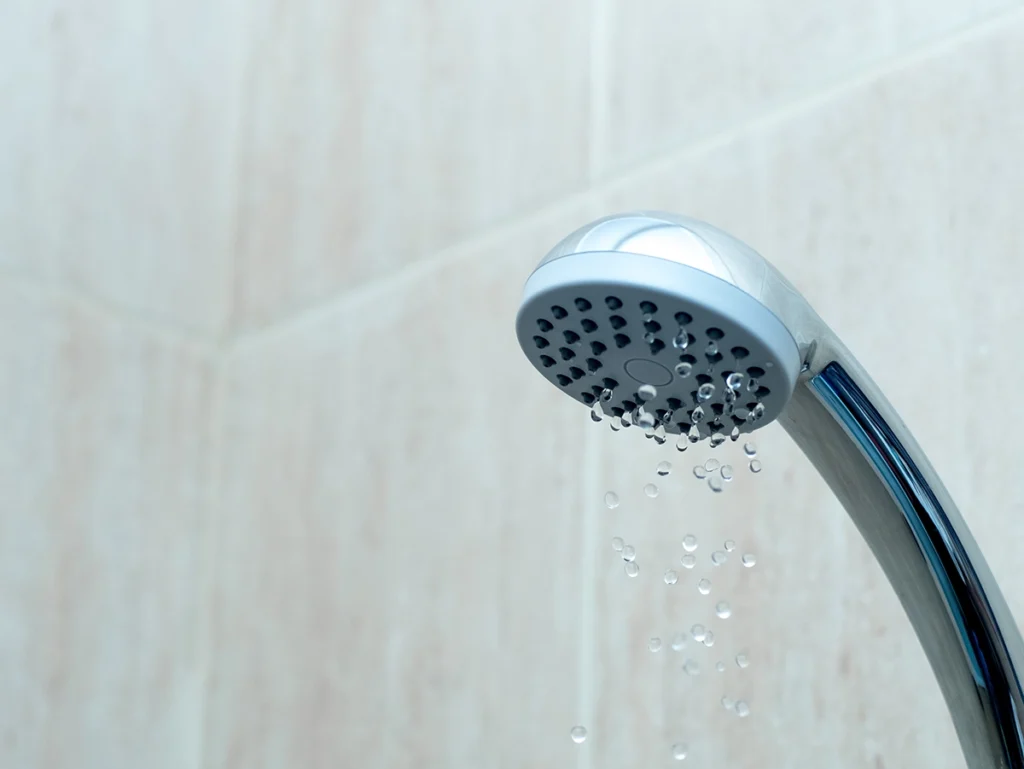
Other indicators include reduced water pressure at your taps. This often means filters are clogged and restricting flow. You might also notice visible sediment in your water. Additionally, you may see particles settling at the bottom of a glass. Some systems have built-in indicator lights or alarms that alert you when it’s time for service. However, not all units include these features.
Leaks around filter housings, damp spots near the system, or pooling water are red flags that require immediate attention. Even small leaks can lead to water damage, mold growth, and structural problems if left unchecked. That’s why it’s crucial to inspect your system periodically, even if everything seems to be working fine.
Performance Decline You Might Not Notice
Some problems develop so gradually that you adapt without realizing it. For instance, your coffee might taste slightly different. Alternatively, your tea might not brew quite as clear. You may find yourself buying more bottled water without understanding why. These subtle changes often indicate declining filtration performance that’s happened slowly over months.
What Water Filtration Maintenance Actually Involves
Professional maintenance goes far beyond simply swapping out a filter cartridge. When we service a filtration system, our certified technicians perform a thorough inspection of every component. We check filter condition and saturation levels. Additionally, we examine all seals and O-rings for water filtration maintenance includes checking wear or damage. We also test water pressure before and after the system to ensure proper flow rates.
The maintenance process typically includes replacing filter cartridges according to manufacturer specifications. However, the actual timeline depends on your water quality and usage. We’ll sanitize filter housings to prevent bacterial growth. Next, we inspect all connections for potential leaks. Then we test the system under operating conditions to verify performance. For reverse osmosis systems, we also check the membrane condition. We test the drain line for proper function and verify the storage tank pressure.
Professional maintenance is valuable because of the expertise behind it. Our technicians know exactly what to look for. They can spot early warning signs you’d never notice. Plus, they have the specialized tools to test water quality accurately. We also keep detailed records of your system’s service history. This helps us identify patterns and anticipate future needs.
How Often Should You Schedule Maintenance?
The frequency of water filtration maintenance depends on several factors. These include your system type, local water quality, and household water usage. Generally speaking, most whole-house filters need attention every three to six months. In contrast, under-sink systems often require service every six months to a year. Reverse osmosis systems typically need annual professional maintenance. However, the pre-filters may need more frequent replacement.
These are just general guidelines, though. If your municipal water supply has high sediment levels or significant contamination, you’ll need more frequent service. Larger households that use more water will also reach filter capacity faster than smaller families. That said, we’ve worked with homeowners throughout the area since 2015. We’ve seen how local water conditions affect maintenance schedules. This is why we provide personalized recommendations based on your specific situation.
Creating a Maintenance Schedule That Works
Many homeowners find it helpful to tie maintenance to other annual tasks. Schedule your filtration service when you have your HVAC system serviced, for example. Alternatively, plan it around the same time each year so you don’t forget. We offer maintenance reminders to help you stay on track. This way, you don’t have to remember dates yourself.
The Cost of Skipping Regular Maintenance
Postponing maintenance might seem like a money-saver in the short term. However, it almost always costs more in the long run. Neglected filters work harder, forcing your system’s pump (if applicable) to strain against increased resistance. This wastes energy and can lead to premature pump failure. Such repairs are expensive and proper water filtration maintenance would have prevented them.
More seriously, compromised water quality affects your entire household. You might unknowingly expose your family to contaminants that should have been filtered out. Poor water quality also takes a toll on your appliances, fixtures, and plumbing. Scale buildup, corrosion, and sediment buildup can shorten the lifespan of water heaters, dishwashers, washing machines, and more. The total cost of these problems far exceeds the investment in routine maintenance.
There’s also the matter of warranty protection. Many manufacturers require proof of regular maintenance to honor warranty claims. Skip your scheduled service, and you might find yourself paying out of pocket for repairs. These would otherwise be covered under warranty.
What You Can Monitor Between Professional Services
Complete maintenance requires professional expertise. However, homeowners can monitor their systems between service calls to identify when professional help is needed. Check for visible leaks or moisture around the system monthly. If you spot any, contact us right away. Note any changes in water taste, odor, or appearance immediately. These indicate your system needs professional attention.
If your system has a pressure gauge, glance at it periodically. This ensures readings stay within normal range. Give us a call if you notice unusual readings. Keep the area around your filtration system clean and accessible. This way, we can easily access it when needed. Wipe down the exterior of filter housings to remove dust and make leaks more visible.
If you have a reverse osmosis system, listen for unusual sounds from the drain line. Excessive gurgling or constant running can indicate problems that require professional diagnosis. Remember, monitoring is about knowing when to call a professional, not attempting repairs yourself. Only certified technicians should take apart filter housings, replace filters, or make adjustments to your system. Attempting DIY repairs risks causing leaks, damaging components, voiding warranties, or compromising your water quality and safety.
Why Professional Maintenance Matters
Water filtration systems may seem straightforward. However, they require specialized knowledge to service properly. Our technicians understand the details of different system types. These range from simple sediment filters to complex multi-stage reverse osmosis units. We know how to identify problems that aren’t immediately obvious. We can also make adjustments that improve performance for your specific water conditions.
Professional service also includes proper disposal of used filters. These may contain concentrated contaminants that require special handling. We sanitize components according to industry standards. We use the correct replacement parts for your exact model. Plus, we test the system thoroughly before we leave. We also maintain detailed service records that prove valuable for troubleshooting, warranty claims, and long-term system planning.
Protecting Your Investment in Clean Water
Installing a water filtration system shows your commitment to clean water and long-term property care. Maintaining that system properly helps you continue getting the benefits you invested in. Regular water filtration maintenance keeps your water tasting better. It also helps protect your plumbing and appliances from damage. Just as importantly, it gives you peace of mind knowing your filtration system is working as intended.
At Efficiency Plumbing, Heating & Air, we’ve been helping residential and commercial customers maintain their water quality systems since we opened our doors in 2015. Our team brings expertise, quality parts, and a commitment to customer satisfaction to every service call.
Don’t wait for problems to develop before giving your filtration system the attention it deserves. Contact our team today to schedule a complete maintenance service or discuss a plan tailored to your specific needs. We help residential and commercial customers in Hanover, MA and the surrounding areas protect their investment, improve system performance, and keep their water clean and healthy for years to come.
Frequently Asked Questions
How often do water filters need to be replaced?
Replacement frequency depends on your system type and water conditions. Sediment pre-filters typically need replacement every three to six months. Carbon filters often need changing every six to twelve months. Reverse osmosis membranes may last two to three years. A professional inspection can help determine the best schedule for your specific system and water quality.
Can I replace water filters myself or should I hire a professional?
Some basic filter replacements may be manageable for homeowners, depending on the system. However, professional service helps ensure proper installation, system cleaning, and a full inspection. A qualified technician can also identify developing problems, test water quality, verify pressure settings, and confirm that the system is functioning correctly.
What happens if I don’t maintain my water filtration system?
Neglected systems can lose effectiveness, allowing contaminants back into your water. Saturated filters may restrict flow, increase strain on system components, and reduce overall performance. Poor maintenance can also affect water quality and shorten the lifespan of connected appliances. Routine service helps reduce the risk of these problems.
How can I tell if my water filtration system is working properly?
Signs of proper function include consistent water pressure, clear appearance, pleasant taste and odor, and no visible leaks around the system. However, some problems are not obvious to homeowners. Professional testing can measure contaminant reduction, verify flow rates, and confirm that all components are operating within specifications.