
If you’ve ever looked under an older bathtub or bathroom sink and spotted a cylindrical metal canister instead of the typical curved pipe, you’ve found a drum trap. These plumbing relics were common in homes built before the 1940s and can still be found in many older properties throughout Massachusetts today. Understanding what a drum trap is and recognizing the signs of trouble can save you from costly water damage and frustrating drainage issues.
At Efficiency Plumbing, Heating & Air, we regularly encounter these vintage plumbing components in older homes across our service area. While they served their purpose decades ago, drum traps often become a source of persistent problems that require professional attention.
What Exactly Is a Drum Trap?
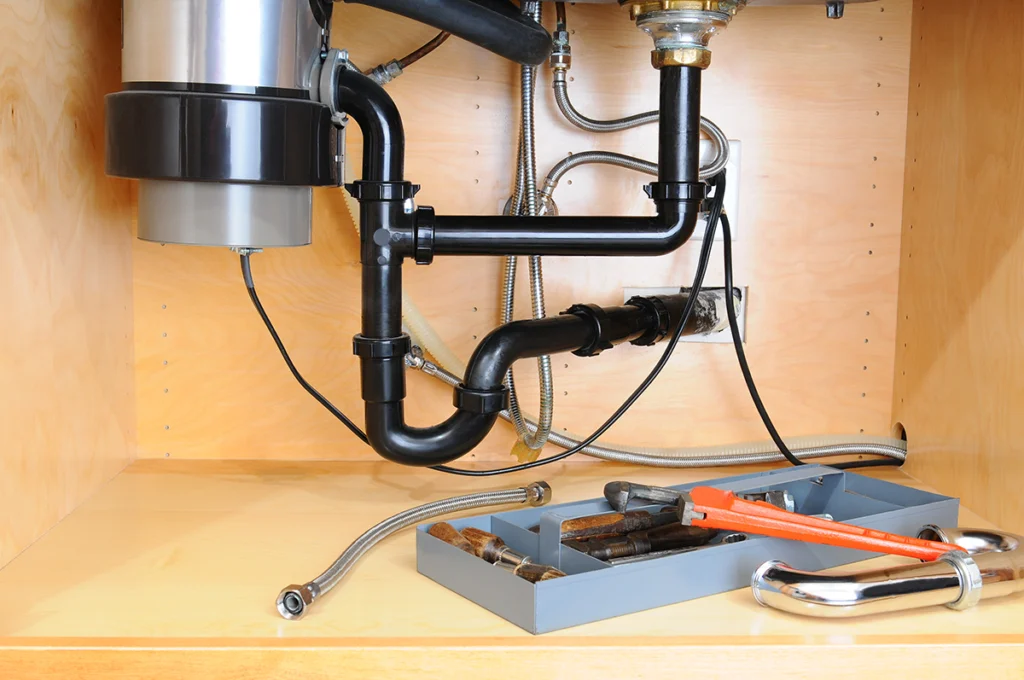
A drum trap is a cylindrical plumbing fixture designed to catch debris and prevent sewer gases from entering your home. Unlike modern P-traps that feature a curved, J-shaped design, drum traps look like metal canisters or drums installed beneath fixtures. They’re typically made of brass, lead, or cast iron and have a removable cover on top for cleaning access.
These traps work by creating a water seal inside the drum. Water enters from the fixture above, fills the lower portion of the drum, and exits through an outlet positioned partway up the side. The standing water acts as a barrier against sewer gases while also catching hair, soap residue, and other debris that flows down the drain.
Drum traps were widely installed in homes built from the 1900s through the 1940s, particularly under bathtubs and showers. According to Massachusetts plumbing regulations, fixture traps are required to be self-scouring and to have no interior partitions, which helps explain why older drum-trap designs have largely fallen out of favor in modern residential plumbing.
Common Drum Trap Problems Homeowners Experience
While drum traps were standard decades ago, they come with several drawbacks that modern homeowners frequently encounter. The most common issue is persistent clogging. Because drum traps have a horizontal orientation and large internal cavity, debris settles and accumulates inside much more readily than in the flowing design of a P-trap. Hair, soap scum, and mineral deposits build up over time, eventually restricting or blocking water flow completely.
Corrosion is another major concern. Most drum traps are made from metals that deteriorate over decades of exposure to water and drainage waste. Brass develops pinhole leaks, lead weakens and cracks, and cast iron rusts through. Once corrosion begins, leaks are inevitable—and because drum traps are often hidden beneath floors or behind access panels, you might not discover the problem until water damage has already occurred.
The design of drum traps also makes them difficult to clean properly. While they have removable covers for access, the cover threads often corrode and seize over time. Homeowners frequently find these covers impossible to remove without damaging the entire assembly. Even when you can access the interior, thoroughly cleaning decades of accumulated sludge requires specialized tools and expertise.
Drum traps can also lose their water seal more easily than modern traps. If a fixture isn’t used regularly, water in the drum can evaporate, allowing sewer gases to enter your home. You might notice unpleasant odors coming from drains—a telltale sign that the trap seal has been compromised.
How to Identify Drainage Issues Related to Drum Traps
Several warning signs indicate your drum trap is causing drainage problems. Slow-draining bathtubs or sinks are often the first symptom homeowners notice. If water pools around your feet during showers or takes several minutes to drain from the tub, a clogged drum trap is likely the culprit.
Gurgling sounds coming from drains suggest air is trapped in the system—often because debris is partially blocking the drum trap. You might also notice water backing up into other fixtures when you use the bathtub or sink, which indicates a serious blockage somewhere in the drainage line, frequently at the drum trap location.
Foul odors emanating from drains signal either a dry trap (no water seal) or significant buildup of organic matter inside the drum. Both situations require professional assessment to determine whether cleaning can resolve the issue or replacement is necessary.
Water stains, dampness, or visible leaks near the fixture or on ceilings below the bathroom are urgent red flags. These symptoms indicate the drum trap itself has corroded through and is actively leaking. Immediate professional attention is essential to prevent structural damage and mold growth.
Why Professional Replacement Is Usually Recommended
When a licensed plumber evaluates a problematic drum trap, replacement with a modern P-trap is typically the recommended solution rather than attempting repairs. There are several reasons why this approach makes sense for homeowners.
First, the age and condition of most existing drum traps make repair impractical. After 70 to 100+ years of service, the metal has often deteriorated to the point where even accessing the trap risks causing further damage. Attempting to unscrew a corroded cover can crack the entire assembly, turning a simple cleaning into an emergency plumbing situation.
Second, even if a plumber successfully cleans a drum trap, the underlying design problems remain. The trap will continue accumulating debris more rapidly than a P-trap would, meaning you’ll face recurring clogs and maintenance issues. Replacing it with a modern alternative eliminates these ongoing headaches.
Third, current plumbing codes in most areas no longer permit drum trap installations. If you’re doing any significant plumbing work or renovation, bringing your system up to code requires replacing drum traps anyway. Getting ahead of this requirement prevents complications during future remodeling projects or home sales.
A certified technician from Efficiency Plumbing will assess your specific situation, including the location of the drum trap, accessibility for replacement, and the overall condition of your drainage system. In most cases, replacing a drum trap involves cutting into the existing plumbing, installing a modern P-trap assembly, and ensuring proper venting—work that requires professional tools, code knowledge, and experience to complete correctly.
What to Expect During Professional Drum Trap Replacement
When you schedule drum trap replacement, your plumber will first inspect the existing installation to determine the best approach. Access is often the biggest challenge, especially with bathtub drum traps located beneath the tub or behind finished walls. In some cases, creating an access panel or working through the ceiling below is necessary.
The plumber will carefully remove the old drum trap and examine the connecting pipes for corrosion or damage. Depending on conditions, additional pipe sections may need replacement to ensure a reliable, leak-free connection to the new P-trap.
Modern P-trap installation follows current plumbing codes, including proper slope for drainage, secure connections, and appropriate venting. The work typically takes a few hours for straightforward replacements but may require more time if access improvements or additional pipe work is needed. Your technician will explain the scope of work before beginning so you understand what the project entails.
After installation, the plumber will test the drainage system thoroughly, checking for leaks, proper flow, and correct trap seal depth. They’ll also verify that sewer gases are blocked and that the new configuration meets all local code requirements.
Protecting Your Older Home’s Plumbing System
If your home was built before 1950, there’s a good chance it contains drum traps or other outdated plumbing components. Regular professional inspections can identify these elements before they cause problems. A thorough plumbing assessment examines drain performance, checks for corrosion, and evaluates whether upgrades would benefit your home’s functionality and value.
Similar to P-trap problems, drum trap issues often develop gradually. Addressing them proactively prevents emergency situations and water damage. If you’re experiencing any drainage problems or know your home has drum traps, having a professional evaluation gives you a clear picture of your system’s condition and helps you plan appropriately.
Other vintage plumbing elements commonly found alongside drum traps include galvanized steel pipes, which are prone to corrosion and reduced water pressure, and older lead supply lines. According to the EPA, lead can enter drinking water when plumbing materials that contain lead corrode. Understanding the age and condition of your entire plumbing system helps you prioritize updates and avoid unexpected failures.
Just as you might encounter slow shower drains or bathroom sink clogs in newer homes, older properties with drum traps face these issues more frequently due to the trap design. Upgrading to modern components significantly reduces ongoing maintenance needs.
When to Contact Efficiency Plumbing
Don’t wait for a complete drainage failure or water damage to address drum trap concerns. If you’re experiencing slow drains, foul odors, gurgling sounds, or visible leaks in your older home, professional diagnosis identifies the root cause quickly. Even if you’re not currently having problems but know your home contains drum traps, a proactive inspection and replacement plan can save you from future headaches.
Our certified plumbers have extensive experience working with older homes throughout the area. We understand the unique challenges of vintage plumbing systems and provide solutions that respect your home’s character while bringing performance and safety up to modern standards. Whether you need emergency service for a failing drum trap or want to schedule planned upgrades, we’re here to help.
Ready to address your drum trap concerns? Contact Efficiency Plumbing today to schedule an inspection or discuss replacement options. Our team will assess your situation, explain your options clearly, and provide expert service that keeps your plumbing system running smoothly for years to come.
Frequently Asked Questions
Can I still use my plumbing if I have a drum trap?
Yes, you can use your plumbing with a drum trap, but be aware these older fixtures are prone to clogs, corrosion, and leaks. If you’re experiencing drainage issues or notice any leaks, have a professional plumber inspect it soon to prevent water damage.
How much does it cost to replace a drum trap?
Replacement costs vary depending on accessibility and the extent of plumbing work needed. Bathtub drum traps requiring access creation typically cost more than easily accessible sink traps. A professional inspection provides an accurate estimate based on your specific situation.
Are drum traps illegal or against code?
While existing drum traps aren’t illegal, most modern plumbing codes prohibit new drum trap installations. If you’re renovating or doing significant plumbing work, you’ll likely need to replace drum traps with code-compliant P-traps.
How do I know if I have a drum trap in my home?
Check under sinks and bathtubs for a cylindrical metal canister instead of a curved J-shaped pipe. Drum traps are most common in homes built before 1950, particularly in bathrooms. If access is limited, a plumber can help identify your trap type.