When your hot water heater is not working, the most common culprit is a tripped circuit breaker or an extinguished pilot light — both simple things you can check yourself in under a minute. That said, we’ve seen plenty of cases where the real problem runs deeper. A failing heating element, a faulty thermostat, sediment buildup choking the tank, or even an underlying electrical or gas supply issue may have caused the shutdown in the first place. At Efficiency Plumbing, we diagnose water heater failures across the area every week, and we’ve learned that what looks like a single broken part is often a symptom of something bigger upstream. In this post, we’ll walk you through the most common causes, what to check safely before you call, and why a licensed technician’s diagnosis is the key to a repair that actually lasts.
What Causes Your Water Heater to Stop Producing Heat
When your hot water suddenly disappears, the water heater itself is rarely the only culprit. In fact, it’s usually signaling a deeper problem upstream. Most failures we respond to in Hanover trace back to electrical issues, sediment buildup, or pressure imbalances that stress the tank or heating elements long before you notice anything wrong. Understanding these root causes helps you avoid quick fixes that fail within months and cost you twice as much in the long run. Many homeowners experience a hot water heater not working scenario and rush to replace parts without investigating why those parts failed in the first place. That approach almost always leads to recurring breakdowns and mounting frustration. Addressing only the symptoms without uncovering the underlying mechanical or electrical failure guarantees that you’ll be dealing with the same emergency again within a matter of weeks.
A tripped breaker, corroded wiring, or undersized circuit can starve an electric unit of consistent power. As a result, elements burn out prematurely. On gas systems, a failing thermocouple, blocked flue, or insufficient combustion air will shut the burner down as a safety measure. Heavy sediment at the bottom of the tank — common in areas with hard water — insulates the heating element from the water. That forces it to overheat and fail. High inlet pressure without a functioning expansion tank can crack the tank lining or rupture relief valves.
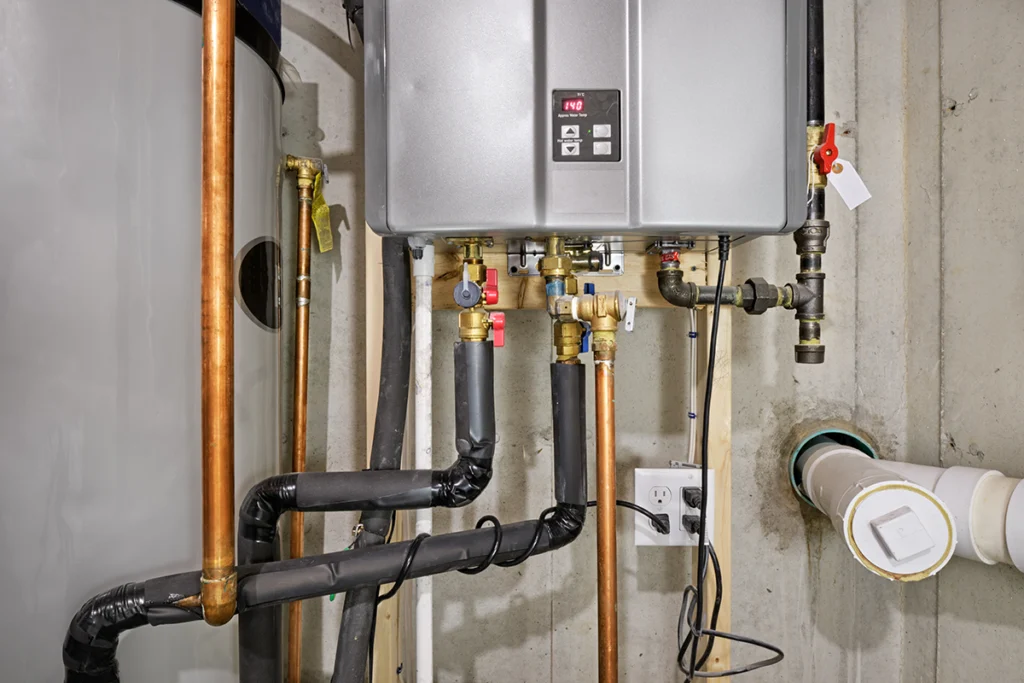
When we diagnose a water heater that isn’t working, we don’t simply swap the failed part and leave. Instead, we test the electrical supply at the panel, inspect the gas line and ventilation path, measure inlet water pressure, check the anode rod for corrosion, and look for sediment volume inside the tank. Replacing a burned-out element without addressing the voltage sag or scale layer means the new part will fail just as quickly — and the second failure often damages surrounding components or the tank itself. If your unit has lost hot water, our licensed plumbers will identify what caused the breakdown and give you a clear plan to restore safe, reliable service.
Simple Inspections to Perform Before Scheduling Service
Before you reach out to us, a few quick visual checks can help you (and our technician) understand what’s happening with your water heater. First, confirm that the circuit breaker for your electric unit hasn’t tripped. Also, check that the gas supply valve for a gas unit is fully open. Look at your thermostat setting — someone may have accidentally turned it down or off. Next, scan the area around the base of the tank for any pooling water. That tells us there’s likely a leak that needs immediate attention.
Of course, never attempt to relight a pilot or adjust any gas controls yourself. Our certified technicians handle those safely during the service call.
These observations give us a head start and help us arrive prepared with the right tools and parts. When your hot water heater is not working, even simple details like whether the pilot light is visible or if the breaker panel shows any signs of tripping can make a significant difference in how quickly we can restore your service. Documenting these observations before calling ensures our team can diagnose the issue efficiently and arrive with the correct replacement components if needed. We also recommend taking note of any unusual sounds, odors, or temperature fluctuations you’ve experienced over the past few days, as these clues often point directly to the root cause and help us resolve your hot water heater not working situation on the first visit.
The Most Common Failures That Leave You Without Hot Water
Homeowners frequently reach out to our team when they discover they have no hot water at all, and in nearly every case, the problem boils down to one of several recurring root causes that we see across the service area. Understanding these underlying failures helps prevent a simple fix from turning into an expensive repeat failure. Most water heaters stop working because of electrical or gas supply interruptions, thermostat malfunctions, or failed heating elements. Each of these issues has upstream causes that must be addressed. Otherwise, the new part will fail again just as quickly. The reality is that dealing with a hot water heater not working is frustrating enough without having to schedule a second or third service call for the same problem within a few months. In our experience, nearly eighty percent of repeat failures stem from incomplete diagnostics during the initial repair visit, which is why we always perform a full system inspection rather than focusing solely on the component that appears broken at first glance.
The main causes include:
- Tripped breaker or blown fuse
- Extinguished pilot light
- Failed heating element
- Faulty thermostat
- Sediment buildup
- Gas supply issues (clogged burner orifice, inadequate gas pressure)
- Loose wire connections
- Failed thermocouple
Electrical and Gas Interruptions That Disable Your Unit
A tripped breaker, blown fuse, or loose wire connection can cut power to an electric water heater. That shuts down both heating elements. Gas units may lose their pilot light due to a faulty thermocouple. A thermocouple is the safety device that senses whether the flame is lit. Also, a clogged burner orifice or inadequate gas pressure from the supply line can cause the pilot to go out. In homes with older wiring or undersized electrical panels, voltage drops during peak usage hours can trigger breaker trips that leave your entire household without heated water for bathing, dishwashing, or laundry.
When we diagnose a “dead” water heater, we first confirm that the energy source is delivering stable voltage or gas flow. After all, replacing a heating element or thermostat won’t help if the real problem is upstream in the electrical panel or gas line. Addressing the root electrical or gas issue is the only way to ensure lasting performance and avoid repeated service calls for the same frustrating problem.
Component Failures Inside the Tank Itself
Electric water heaters rely on one or two thermostats to signal the heating elements when to turn on. A failed thermostat won’t call for heat even when the tank is cold. Likewise, a burned-out heating element can’t warm the water even when the thermostat is working. The common mistake is swapping the element without asking why it failed.
Sediment buildup at the bottom of the tank creates hot spots that overheat and crack the element. Electrical surges or voltage spikes can short the wiring. Improper sizing — a tank that’s too small for household demand — forces the elements to cycle constantly until they burn out. Our licensed technicians inspect the tank interior, test voltage at the element terminals, measure sediment depth, and check the electrical supply before recommending any part replacement. That way, you’re not back on the phone a few months later with the same complaint.
Why a Licensed Technician’s Evaluation Protects Your Investment
You now know the warning signs, the common causes behind a water heater that stops working, and why chasing symptoms without finding the real problem rarely leads to a lasting fix. The safest, smartest next step is straightforward: let a licensed professional diagnose what’s actually happening before you replace any part or commit to any one solution. Many homeowners attempt DIY repairs only to discover that the failure returns within weeks because the underlying cause was never properly identified or corrected. Even worse, improper repairs can create safety hazards involving electrical shock, gas leaks, or scalding water that put your household at serious risk. If you wake up one morning and find your hot water heater not working, resist the urge to troubleshoot complex components yourself — one misstep can turn a simple repair into a dangerous emergency or a voided manufacturer warranty. Professional diagnosis also protects your investment by ensuring that any warranty claims remain valid and that replacement parts are installed according to current code requirements, which can vary significantly depending on your municipality and the age of your home’s plumbing infrastructure.
When you contact Efficiency Plumbing, we’ll ask a few quick questions about what you’re seeing. For example, we’ll want to know if there’s no hot water at any fixture, lukewarm only, strange noises, or visible leaks. That way we arrive prepared. Our licensed plumbers inspect the unit itself, the supply connections, venting if it’s gas-fired, electrical components if it’s electric, pressure-relief operation, and any upstream factors that may have triggered the failure. We explain what we find in plain terms, walk through your repair and replacement options, and provide a detailed quote before any work begins. Every repair we complete is backed by our workmanship warranty. Plus, we offer flexible financing to help you move forward on your timeline.
Whether your water heater failed suddenly or has been limping along for weeks, a quick call gets the diagnostic process started. Even if you’re not sure what’s wrong or just have a question, we’re here to help. Reach out to Efficiency Plumbing in Hanover, MA today — we’ll get your hot water running again safely and correctly.
Frequently Asked Questions
What should I check first if my hot water heater is not working?
Check the circuit breaker to see if it tripped. Confirm the thermostat is set above 120°F. Look around the tank base for any pooling water. For gas units, verify the gas supply valve is fully open. These quick checks help us diagnose faster, but never attempt electrical panel work or pilot light relighting yourself.
Why does my hot water heater keep stopping even after a repair?
Your water heater keeps failing because the original cause was never addressed. Electrical supply problems, heavy sediment buildup, high inlet pressure, or improper sizing may be to blame. When a part is replaced without fixing what damaged it, the new component fails just as quickly. We diagnose the upstream issue first so your repair lasts.
Can I tell if my hot water heater needs repair or full replacement?
A licensed technician can tell you after inspecting the tank interior, testing the electrical or gas supply, measuring sediment depth, and checking for leaks or corrosion. Widespread rust, a cracked tank lining, or repeated failures often mean replacement is smarter. We walk you through both options with a detailed quote.
How long does it take to fix a hot water heater that’s not working?
Most repairs — replacing a heating element, thermostat, or pilot assembly — take one to three hours once we’ve completed the diagnosis. If sediment flushing or electrical work is needed, plan for a longer visit. Tank replacement typically takes half a day. When you contact us, we’ll give you a clearer timeline based on what you’re experiencing and schedule the appointment at your convenience.