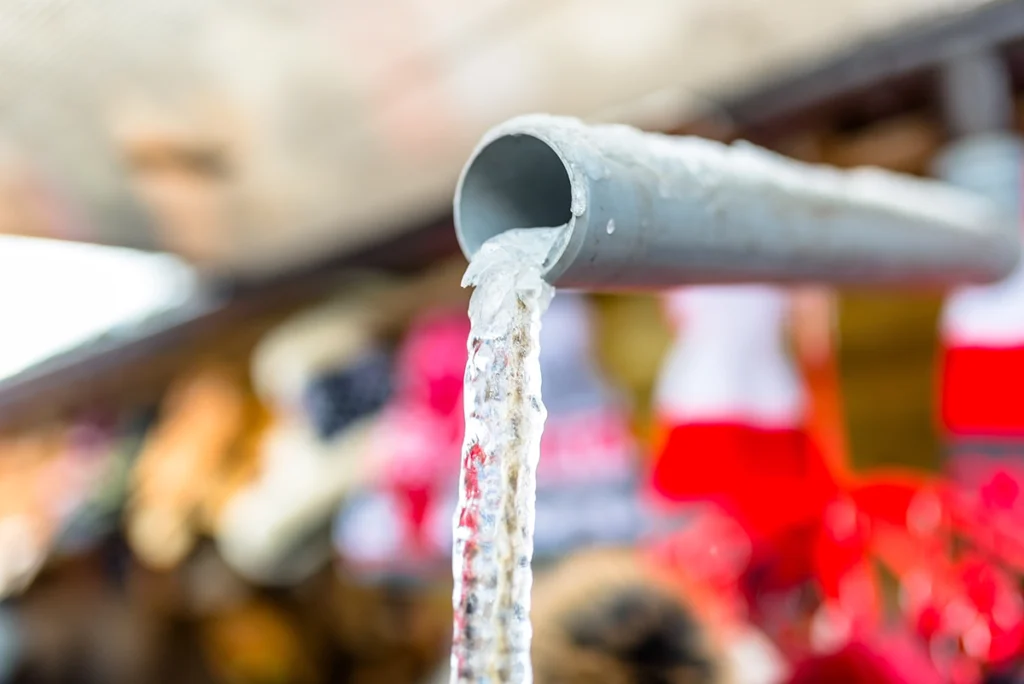

Learning how to prevent frozen pipes in Marshfield, MA pays off every winter, because a coastal cold snap can turn a small vulnerability into a burst pipe overnight. Frozen water expands, and the pressure it builds can split a pipe even far from the ice itself.
A few simple habits protect the most at-risk lines. None of them are complicated, and together they make a real difference when the temperature drops.
Protect the pipes most likely to freeze
The lines at greatest risk run through unheated or exterior spaces: basements, crawl spaces, garages, and outside walls. Insulating those pipes with foam sleeves slows heat loss and buys them a wider safety margin.
Disconnect your garden hoses before the first hard freeze. A hose left on a spigot traps water that can freeze and crack the valve behind the wall, so this quick step prevents an expensive surprise.
Smart habits for cold nights
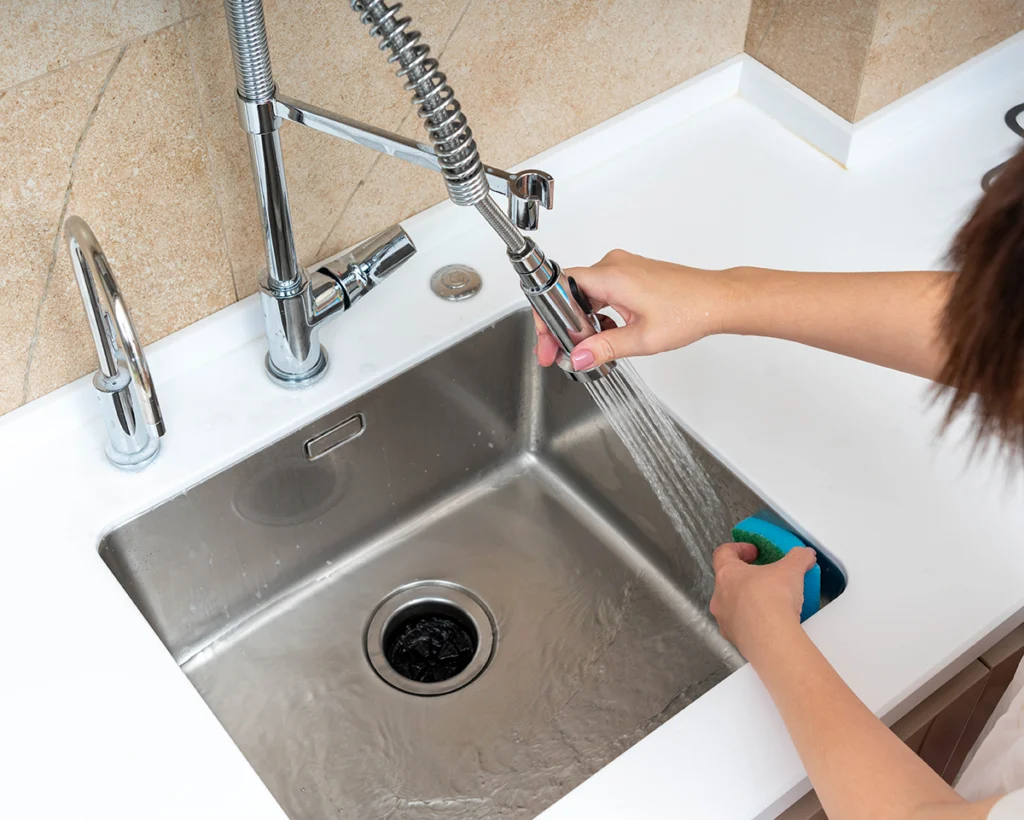
When a deep freeze is forecast, let a faucet run at a slow trickle on the coldest exterior walls. The American Red Cross advises that letting water drip from a faucet during extreme cold can help keep a pipe from freezing, because moving water is far harder to freeze than still water.
Open the cabinet doors under sinks on outside walls so warm room air reaches the pipes. Keep your thermostat at a steady temperature day and night, and never let the house drop below the mid-fifties while you are away.
If a pipe does freeze
A faucet that only trickles on a cold morning may mean a line is starting to freeze. Leave that faucet open so the flow relieves pressure, and avoid any open flame near the pipe, since that is a serious fire risk.
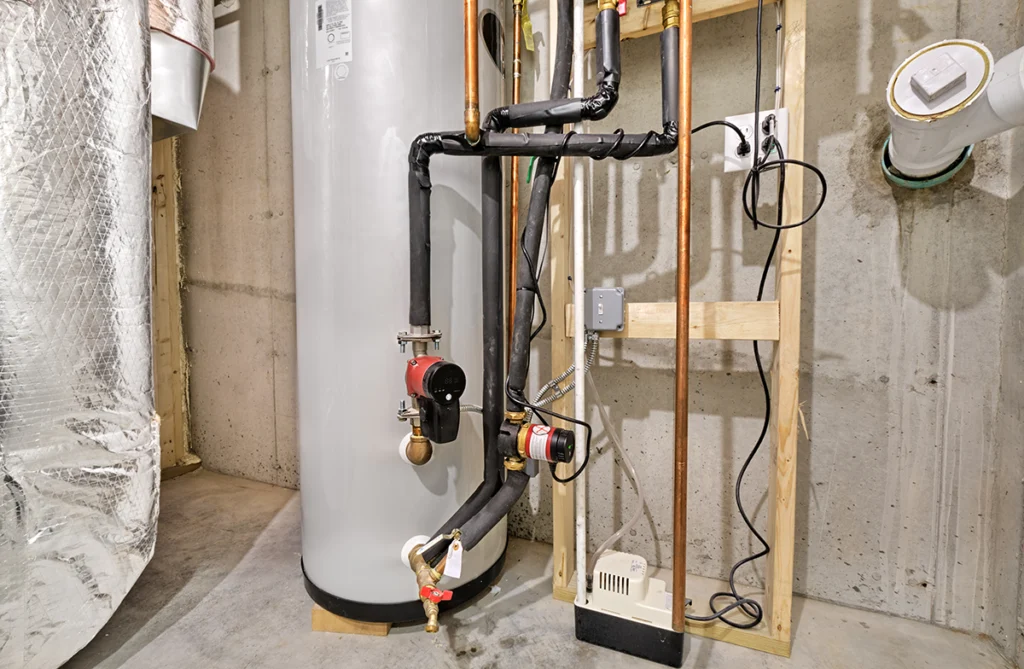
If you cannot restore flow, or a pipe has already burst, shut off the main water valve and call a plumber right away. Knowing where your main shutoff and pressure controls sit saves precious minutes, and a related read on a water heater that stops working covers another cold-weather headache.
When to call Efficiency Plumbing
If you have a frozen line, a pipe that has split, or you want vulnerable pipes insulated before winter, our licensed, insured team serves Marshfield and the South Shore.
To protect your home or handle a freeze emergency, reach out for professional plumbing help. Book online in under a minute or call (781) 775-5014, and we will keep the water flowing.
Frequently Asked Questions
At what temperature do pipes freeze?
Pipes are most at risk when the outside temperature drops into the low twenties, especially in unheated spaces. Wind and poor insulation can cause freezing even when the air is a bit warmer.
Should I leave faucets dripping all winter?
Only during hard freezes on the most exposed pipes. A slow trickle on those lines on the coldest nights is enough, so there is no need to run water constantly all season.
What should I do if a pipe bursts?
Shut off the main water valve immediately to stop the flooding, then call a plumber. Knowing where that valve is before winter makes a burst far easier to handle.
Are some pipes more at risk than others?
Yes. Pipes along exterior walls and in unheated basements, garages, and crawl spaces freeze first. Those are the lines worth insulating before the cold arrives.