What is a boiler, and how does it keep your home comfortable during the colder months? A boiler is a heating system that uses hot water or steam to distribute warmth throughout a building. Unlike furnaces, most boilers deliver heat through radiators, baseboards, or radiant flooring rather than air ducts. These systems are particularly common in older New England homes, although modern boilers offer several advantages for newer properties. At Efficiency Plumbing, Heating & Air, we help homeowners throughout Hanover, MA, and the South Shore understand, maintain, and improve their home heating systems.
What Is a Boiler and How Does It Work?
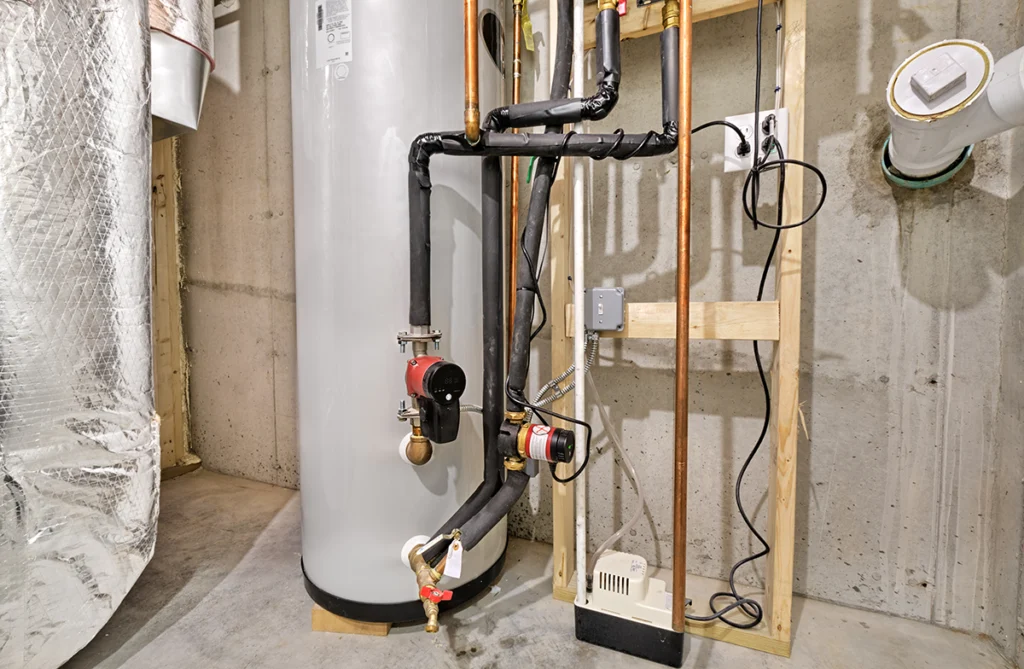
A boiler heats water using an energy source such as natural gas, heating oil, propane, or electricity. When your thermostat calls for heat, the system begins heating the water inside the unit. In a typical hot water system, a circulation pump then moves heated water through a network of pipes. These pipes connect to radiators, baseboard heaters, or radiant flooring that release warmth into your living spaces. Once the water releases some of its heat, it returns to the boiler to be reheated.
Steam boilers operate somewhat differently because they heat water until it produces steam. The steam travels through pipes to radiators, releasing heat as it condenses back into water. However, both systems rely on properly functioning controls and distribution components to maintain comfortable temperatures. According to the U.S. Department of Energy, high-efficiency boilers can distribute heat through floor tubing, radiators, or air handlers. This flexibility allows homeowners to choose heating arrangements that suit their property’s layout and comfort needs.
What Is a Boiler Compared to a Furnace?
The biggest difference between a boiler and a furnace is how each system distributes heat. A furnace heats air and uses a blower to circulate it through ductwork. Meanwhile, traditional boiler systems distribute heat through water or steam traveling through pipes. Since most boiler systems do not rely on forced air, they typically operate quietly without producing noticeable drafts. However, certain boiler configurations use air handlers, combining hot water heating with ducted air distribution.
Both systems can provide dependable heating during Massachusetts winters, but their maintenance requirements differ. For example, a furnace not blowing hot air may have restricted airflow or a malfunctioning blower. A boiler with similar heating difficulties could have circulation problems, trapped air, or faulty controls. Additionally, boilers require attention to water pressure and piping conditions. The best heating system for your home ultimately depends on its existing infrastructure, insulation, heating requirements, and your personal comfort preferences.
What Are the Different Types of Boilers?
Residential boilers come in several designs, including conventional, condensing, and combination boilers. Conventional boilers heat water for space heating, while condensing models recover additional heat from combustion exhaust. As a result, condensing boilers can achieve higher fuel efficiency under suitable operating conditions. The U.S. Department of Energy reports that certain high-performance boilers can achieve annual fuel utilization efficiencies exceeding 94%. However, actual energy savings depend on equipment sizing, installation quality, and operating temperatures.
Combination boilers, commonly called combi boilers, provide both space heating and domestic hot water. Because they combine these functions into one appliance, they can be particularly useful in homes with limited mechanical room space. However, their hot water capacity must accommodate your household’s needs. Larger households with multiple bathrooms may benefit from a different configuration. When recommending equipment, we consider your property’s heating demand, household water usage, existing piping, and long-term operating costs rather than focusing solely on the equipment’s purchase price.
What Is a Boiler’s Role in Energy Efficiency and Home Comfort?
One of the main benefits of boiler heating is its ability to deliver steady, comfortable warmth. Radiators and radiant floors continue releasing heat for some time after a heating cycle ends. Additionally, many hot water systems support separate heating zones, allowing homeowners to adjust temperatures in different parts of the house. This can be particularly beneficial in larger homes or properties with rooms that have different heating needs. However, proper system design remains essential for achieving consistent temperatures and efficient operation.
Regular maintenance also plays an important role in boiler performance. Over time, worn components, mineral deposits, and circulation problems can reduce heating efficiency. For instance, a boiler losing pressure may struggle to distribute heated water effectively. Unusual noises, cold radiators, and increasing heating bills can also indicate developing problems. Therefore, we recommend scheduling annual professional maintenance to identify concerns early, maintain safe operation, and reduce the likelihood of unexpected heating interruptions during winter.
Professional Boiler Services in Hanover, MA
If you’ve been wondering, “What is a boiler, and is it the right heating system for my home?” our team can help. At Efficiency Plumbing, Heating & Air, we provide professional boiler installation, repair, and maintenance services throughout Hanover and the surrounding South Shore communities. Whether your existing system needs repairs or you’re considering an energy-efficient upgrade, we’ll help you understand your options. Contact us today to schedule professional boiler service and enjoy dependable heating throughout the colder months.
Frequently Asked Questions
What is a boiler used for in a house?
A boiler heats water or produces steam to provide indoor heating through radiators, baseboards, or radiant flooring. Some boilers also supply domestic hot water.
Is a boiler more efficient than a furnace?
A boiler can be more efficient than a furnace, depending on equipment efficiency, installation, and home insulation. Both systems are available in high-efficiency models.
What is a boiler's average lifespan?
Most residential boilers last approximately 15–25 years. However, equipment quality, maintenance frequency, operating conditions, and water chemistry can influence their lifespan.
Does a boiler provide both heating and hot water?
Some boilers provide both functions. Combination boilers supply space heating and domestic hot water, while other systems require a separate or indirect water heater.