Water in a crawl space can lead to more than a damp smell. It can affect insulation, wood framing, plumbing, and the overall condition of the space. A crawl space sump pump can help when groundwater or runoff regularly collects beneath your home. However, not every damp crawl space needs one. At Efficiency Plumbing, Heating & Air, we look at where the water is coming from before recommending a solution for Hanover-area homes.
How a Crawl Space Sump Pump Works
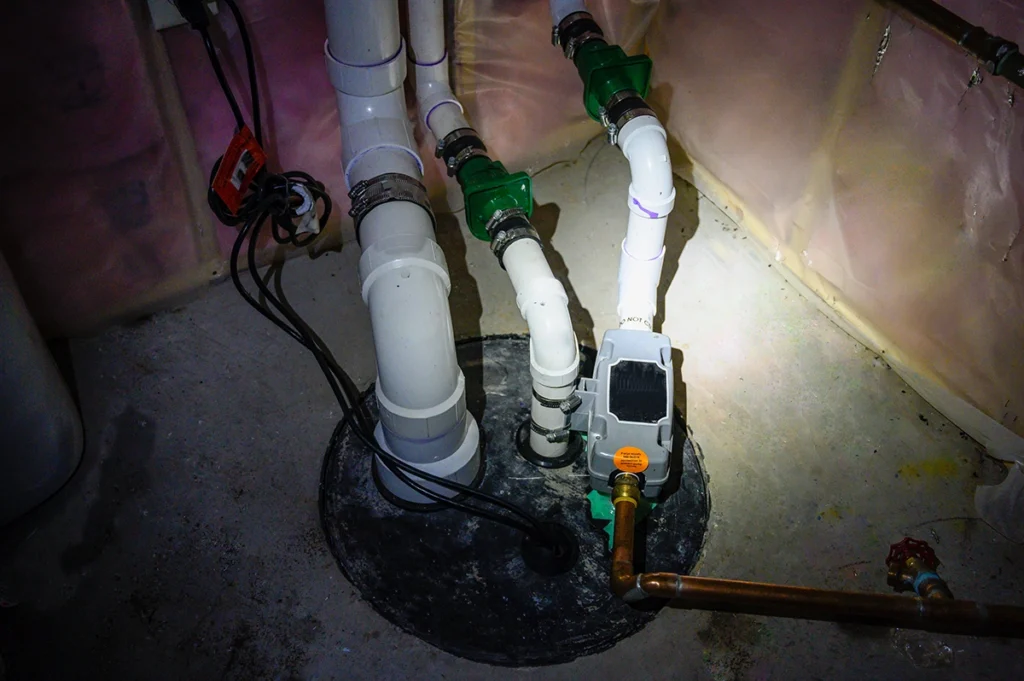
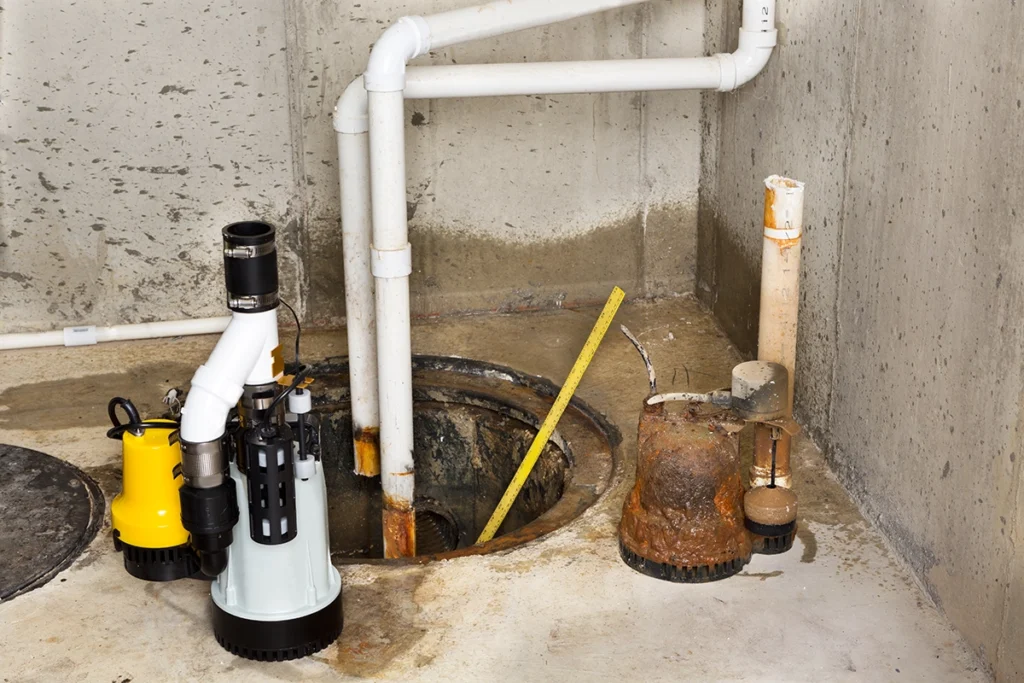
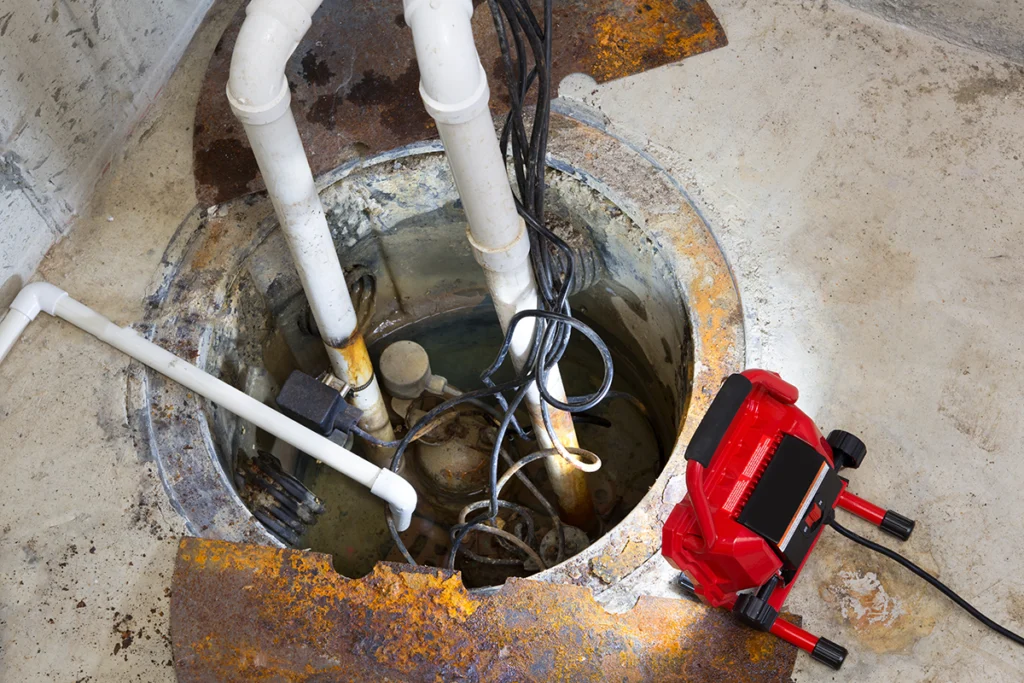
A crawl space sump pump sits in a basin, often called a sump pit, installed at a low point in the crawl space. Water moves toward that basin through natural drainage or a connected drainage system.
As the water level rises, a float switch activates the pump. The pump then moves water through a discharge line and away from the foundation.
This setup can be especially useful when water enters from below grade. It may also help when heavy rain or snowmelt repeatedly sends water toward the foundation.
However, a pump only handles water that reaches the pit. Therefore, proper placement and drainage are important.
Massachusetts emergency-preparedness guidance recommends checking sump pumps regularly in flood-prone lower levels. It also recommends backup power where appropriate. Homeowners can review the state’s guidance for preparing a home for emergencies for additional flood-preparation information.
Do You Really Need a Crawl Space Sump Pump?
The answer depends on how and why water enters the crawl space.
Some homes stay dry most of the year but take on water during major storms. Others develop standing water after routine rainfall. In those cases, a crawl space sump pump may provide an effective way to remove collected water.
On the other hand, a sump pump may not be the first solution for every moisture problem. A leaking plumbing line, poor grading, damaged gutter, or blocked drain can also create wet conditions.
That is why we start with the source. If water is coming from a plumbing leak, repairing the leak comes first. If runoff is pooling against the foundation, exterior drainage may need attention.
Homes that experience spring thaw can face another challenge. Rapid snowmelt can saturate the soil and increase water around the foundation. Our tips for protecting your plumbing from snowmelt flooding explain how that seasonal water can affect lower areas of a home.
Signs Water Is Becoming a Crawl Space Problem
Occasional dampness does not always mean you need a pump. However, recurring water deserves attention.
Standing water after rain is one of the clearest warning signs. Even shallow water can keep the crawl space wet for days.
You may also notice water stains on foundation walls or piers. Mud, damp insulation, or visible pooling can point to repeated water entry.
A musty odor is another clue. Moisture can remain in the space even after visible water disappears.
The U.S. Environmental Protection Agency explains that moisture control is important for limiting indoor mold growth. Its household moisture-control guidance also recommends correcting leaks and seepage rather than relying on humidity control alone.
Other warning signs can include:
- Wet or sagging insulation
- Rust on metal components
- Condensation on pipes or ductwork
- Damp wood or visible staining
- Water returning after storms
- A persistently humid crawl space
If several of these conditions appear together, the crawl space should be evaluated.
What a Sump Pump Cannot Fix
A sump pump removes collected water, but it does not solve every cause of moisture.
For example, it will not repair a leaking supply pipe. It also will not correct a damaged sewer line or a clogged drain. Those problems require their own repairs.
Likewise, a pump cannot stop water from being directed toward the house. Gutters, downspouts, and grading still matter.
Drainage problems elsewhere may also contribute to recurring water. Keeping household drains and exterior drainage paths clear can reduce avoidable backups and pooling. Regular drain maintenance can help identify problems before they become larger.
Humidity is another separate issue. A crawl space may feel damp even without standing water. In that case, ventilation, air sealing, vapor control, or dehumidification may also need to be considered.
Therefore, the best solution often combines water removal with moisture management.
Crawl Space Sump Pump Installation Considerations
Installing a crawl space sump pump involves more than placing a pump in a hole.
First, the sump basin needs to be located where water can reach it. In some homes, that may require a perimeter drainage system or another method of directing water toward the pit.
Next, the discharge line needs a safe route away from the foundation. Sending water too close to the house can allow it to return.
The line also needs protection from freezing conditions. A blocked or frozen discharge line can keep the pump from moving water effectively.
Pump capacity matters as well. The right size depends on how much water enters the space and how quickly it arrives.
Power reliability is another consideration. Storms that bring heavy rain can also cause outages. For homes with a significant water risk, a battery backup may provide additional protection.
Finally, the pump should remain accessible for inspection and service. A crawl space system still needs regular attention after installation.
Managing Moisture Beyond the Pump
A crawl space sump pump may be one part of a larger moisture-control plan.
Outside the home, downspouts should direct water away from the foundation. Soil should also slope away where practical.
Inside the crawl space, plumbing should be checked for leaks. Even a small leak can add significant moisture over time.
A ground vapor barrier may also help control moisture rising from exposed soil. In addition, dehumidification can help when humidity remains high after standing water is addressed.
The goal is not simply to remove water after it appears. Instead, the goal is to reduce how much water enters and control the moisture that remains.
That approach helps protect pipes, insulation, wood, and other materials in the space.
When to Call Efficiency Plumbing, Heating & Air
If water keeps returning beneath your home, it is worth finding out why.
At Efficiency Plumbing, Heating & Air, we can inspect plumbing-related causes of crawl space water and determine whether a sump system makes sense. We can also look for leaks, drainage concerns, and other conditions that may be contributing to the problem.
A crawl space sump pump can be valuable when water routinely collects below the home. However, the right solution depends on the source, drainage pattern, and condition of the space.
If you are seeing standing water, recurring dampness, or signs of a plumbing problem, contact us to schedule service. We can help you determine the next step and protect your home from continued moisture.
FAQs About Crawl Space Sump Pumps
Does every crawl space need a sump pump?
No. A sump pump is usually most helpful when water repeatedly collects in the crawl space. Homes without recurring water intrusion may not need one.
Where should a crawl space sump pump be installed?
A crawl space sump pump is generally installed at a low point where water naturally collects or can be directed. Proper placement helps the system remove water efficiently.
Can a crawl space sump pump help with humidity?
A crawl space sump pump can reduce moisture caused by standing water, but it does not directly control humidity. A vapor barrier or dehumidifier may also be needed.
How often should a sump pump be checked?
A sump pump should be checked regularly and before seasons with heavy rain or snowmelt. Testing the float and discharge can help confirm that the system is ready.