
If you’ve ever heard water dripping into a pit in your basement, you might wonder how a sump pump works. Maybe you’ve watched a pump kick on during heavy rain. A sump pump is a small but essential piece of equipment. It automatically detects rising groundwater and pumps it away from your foundation. This happens before water can seep into your living space. Understanding how does a sump pump work helps you recognize problems. You’ll know when the float switch triggers the motor. You’ll see how the discharge pipe carries water safely outside. At Efficiency Plumbing, we’ve helped countless homeowners in Hanover keep their basements dry. We’re here to walk you through the mechanics so you know what to watch for and when to call for professional help.
What Is a Sump Pump and Why Do Homes Have One?
A sump pump is a small electric pump installed in a pit below your basement or crawl space floor. Its job is simple but critical. It collects groundwater that seeps toward your foundation. Then it pumps the water away from your home before it floods the lowest level. Without one, homes in areas with high water tables, heavy rainfall, or poor drainage can face recurring flooding, mold growth, and serious structural damage.
The system works in a cycle. Water flows through drainage tile or perforations in the pit liner. It collects at the lowest point. When the water level rises, a float switch activates the pump. The pump then pushes the water through a discharge pipe to a safe distance outside. It usually goes toward the street, a storm drain, or a dry well. Once the pit drains to a safe level, the float drops. The pump shuts off until the next cycle.
Homes typically need a sump pump when they sit below the water table, in flood-prone zones, or where soil doesn’t drain well naturally. A properly sized sump pit is typically at least 18 inches in diameter and 24 inches deep to handle expected water volume. When we install or inspect a sump pump in Hanover, MA, we check the pit, discharge routing, and pump capacity. All must match your home’s drainage needs. Learning how does a sump pump work gives you insight into what components need regular inspection. If you notice water pooling near your foundation or a musty smell in your basement, understanding how long sump pumps last can help you decide whether it’s time for maintenance or replacement.
How Does a Sump Pump Work Step by Step?
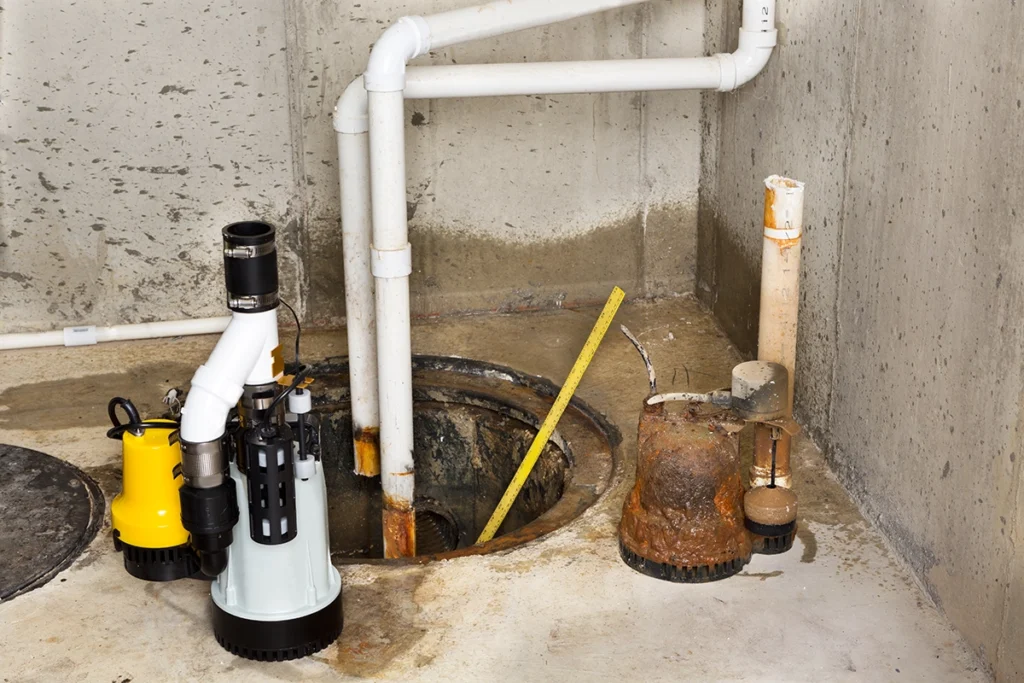
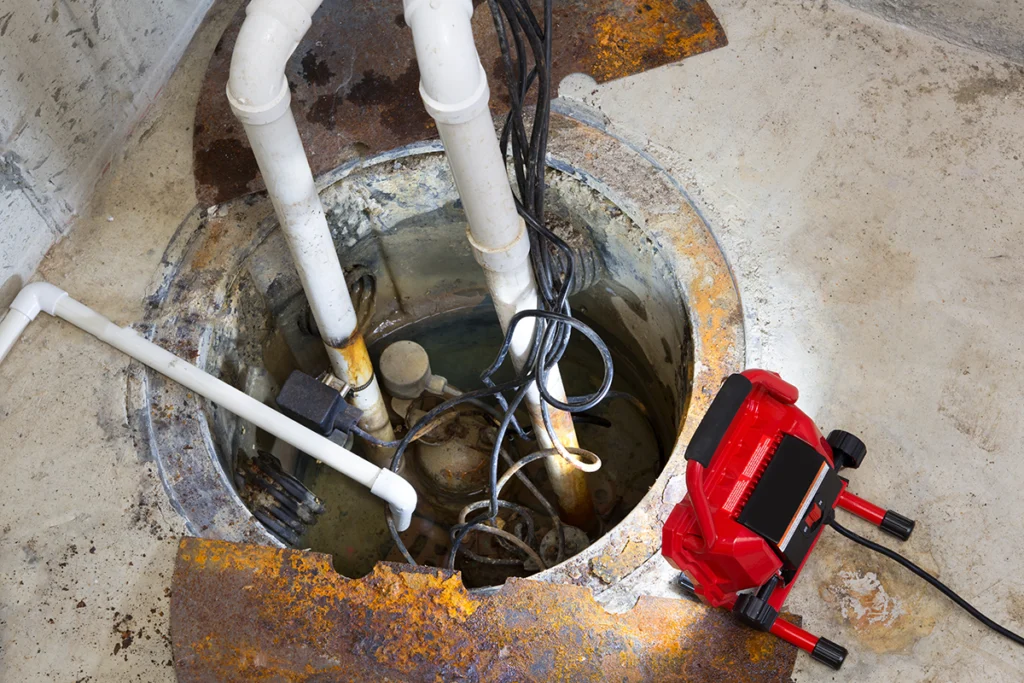
A sump pump sits in a basin at the lowest point of your basement or crawlspace. The pit is usually 18 to 24 inches deep and 18 inches wide. When groundwater or runoff seeps through the foundation or drains from perimeter tiles, it flows into this basin. As the water level rises, a float switch rises with it. The float may be a buoyant arm or a vertical float inside the pit. Once the water reaches a preset level, the float triggers the pump motor to start.
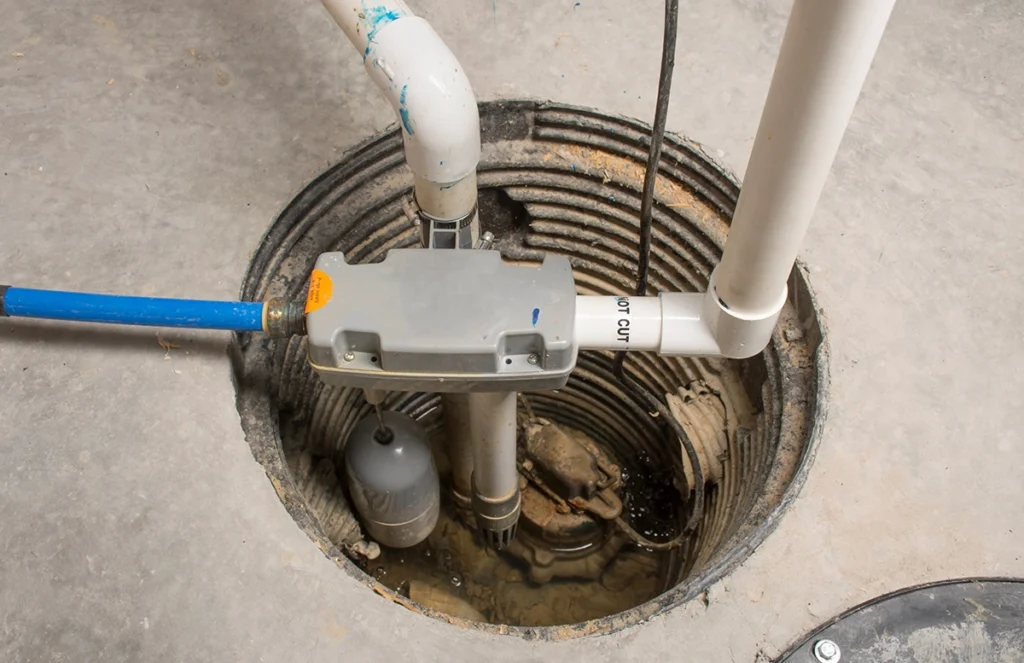
The pump uses an impeller to pull water from the basin and push it out through a discharge pipe. The impeller is a rotating blade inside the housing. Submersible pumps sit underwater at the bottom of the pit and push water upward. Pedestal pumps mount the motor above the basin and draw water up through an intake tube. Either way, the pressurized water moves through the discharge line and exits your home through the foundation wall. It then flows away from the structure through a sloped pipe or extension. The discharge piping must include a check valve to prevent water from flowing back into the pit.
When the water level drops below the activation point, the float switch signals the motor to shut off. The basin then waits for the next inflow cycle. In a properly functioning system, this process repeats automatically anytime water enters the pit. No homeowner action is required. If the pump runs constantly, cycles every few seconds, or fails to start when the basin fills, a component has likely failed. An upstream problem may also be forcing the system beyond its design limits. We recommend calling a licensed plumber to diagnose the root cause before a basement flood occurs.
The Key Parts That Make a Sump Pump Function
Understanding the core components helps you recognize warning signs before they turn into basement flooding. The sump basin sits below your floor level. It collects groundwater from drain tiles or seepage. As water fills the basin, a float switch or pressure sensor detects the rising level. The sensor signals the motor to turn on. The pump motor then drives an impeller that pushes water up through a discharge pipe. When homeowners ask how does a sump pump work, we explain that each part plays a specific role in this automated cycle.
The check valve is a small one-way gate installed on the discharge line just above the pump. It stops water from flowing backward into the basin after the motor shuts off. This prevents short-cycling and wasted energy. The discharge line must route water far enough away from your foundation. Most codes require at least ten feet of clearance. This keeps water from seeping back into the system. When any of these parts wear or fail, the others work harder and break down faster.
If you notice the pump running constantly, water backing up around the basin, or unusual noise from the motor, those symptoms usually point to trouble. A failing float, clogged check valve, or blocked discharge line are common culprits. Our licensed plumbers inspect each component, test the switch cycle, and trace the discharge path. That diagnosis protects you from swapping a working pump when the problem is actually upstream. If you’re hearing a sump pump alarm going off, it’s often your system’s way of alerting you to one of these component failures before serious flooding starts.
Ready to Protect Your Home? Contact Us Today
Before heavy rains and snowmelt put your basement to the test, now is the perfect time to make sure your sump pump system is ready. Whether you’re seeing warning signs like frequent cycling, unusual noise, or water pooling near the sump basin, our licensed plumbing specialists can help. We’ll explain what’s happening and point you in the right direction. Peace of mind before storm season is just a call away.
When you reach out to Efficiency Plumbing, we start with a thorough inspection of your entire sump system. We’ll check the pump operation, test the float switch and backup power, and examine the discharge line for clogs or freeze risk. We also verify that the basin is properly sized and installed for your home’s drainage needs. If we spot a problem, we explain what’s causing it and what risks it poses. Then we discuss solutions that make sense for your situation, so you can make an informed decision with expert guidance at every step.
We’re licensed, insured, and we stand behind our work with a workmanship warranty on every installation and repair. Give us a call today, and let us help you protect one of your biggest investments, your home.
Frequently Asked Questions
How does a sump pump know when to turn on?
A float switch or pressure sensor detects rising water in the basin and triggers the pump motor at a preset height. As water drains and the level drops, the float falls and shuts the pump off. If your pump runs constantly or won’t start, a faulty float is often the culprit.
What happens if my sump pump stops working during heavy rain?
Water fills the basin with no way out, eventually overflowing onto your basement floor and causing flooding and structural damage. Common causes include power loss, a tripped breaker, a jammed float, or a blocked discharge line. We recommend testing before storm season.
How does a sump pump get rid of water once it turns on?
The pump motor spins an impeller that pulls water from the basin and pushes it through a discharge pipe under pressure. Water exits your foundation wall and flows away from your home. A check valve prevents water from flowing backward into the pit when the pump shuts off.
Can a sump pump work without electricity?
A standard AC-powered sump pump will not work during a power outage. Battery backup or water-powered backup systems can keep pumping when power fails, though they require proper installation. We can inspect your system and recommend backup solutions for your home’s needs.