
What does it mean when a sump pump alarm goes off? In many systems, the alarm warns that water inside the sump basin has risen above its normal operating level. This can happen when the pump stops working, struggles to keep up with incoming water, or encounters a drainage restriction.
However, not every sump pump alarm indicates rising water. Some systems also sound alerts for power outages, low backup battery levels, or equipment malfunctions.
A sump pump alarm provides an important warning before a potential basement or crawl space flooding problem develops. Understanding what triggers the alert can help you determine how quickly to act.
At Efficiency Plumbing, Heating & Air, we help homeowners diagnose sump pump problems and identify appropriate repairs. Below, we’ll explain common alarm causes, what to check safely, and when professional assistance is necessary.
What Does a Sump Pump Alarm Mean?
A sump pump alarm typically alerts you to a condition that needs attention. In systems equipped with a high-water alarm, a separate float switch or sensor detects when water rises above a predetermined level.
This may mean the primary pump has stopped working or cannot remove water quickly enough. However, some alarms also monitor backup batteries, electrical power, and other system conditions.
When a sump pump alarm sounds, possible causes include:
-
A power outage or tripped circuit breaker
-
A stuck or malfunctioning float switch
-
A clogged or frozen discharge pipe
-
Excessive groundwater entering the basin
-
A worn or damaged pump motor
-
A weak backup battery or system fault
The alarm identifies a potential problem, but it doesn’t necessarily reveal the exact cause.
For example, a high-water alarm may sound during heavy rainfall even when the primary pump operates normally. If incoming water exceeds the pump’s capacity, the water level can continue rising.
According to North Dakota State University Extension, sump pump problems can involve malfunctioning float switches, worn motor bearings, or blocked discharge pipes. These issues can interfere with reliable water removal.
When diagnosing sump pump alarms, our technicians inspect the pump, float mechanism, electrical supply, and discharge piping. We also evaluate the alarm system itself to determine what triggered the warning.
Identifying the cause helps us recommend appropriate repairs and reduce the risk of future flooding.
Common Causes Behind the Warning
When a sump pump alarm goes off, the cause depends on the type of alarm and the system’s operating conditions. High-water alarms typically indicate that the water level has risen above its normal range. Other alerts may indicate electrical or backup system problems.
Several conditions can trigger these warnings.
Power supply interruptions: A tripped breaker, disconnected plug, or power outage can stop the primary pump. Some backup systems also sound an alarm when they lose household power.
Float switch problems: A stuck or damaged float may keep the pump from activating. Debris inside the basin can also interfere with normal switch movement.
Excessive groundwater: Heavy rainfall or increased groundwater inflow can overwhelm a functioning pump. This doesn’t necessarily mean the pump is defective.
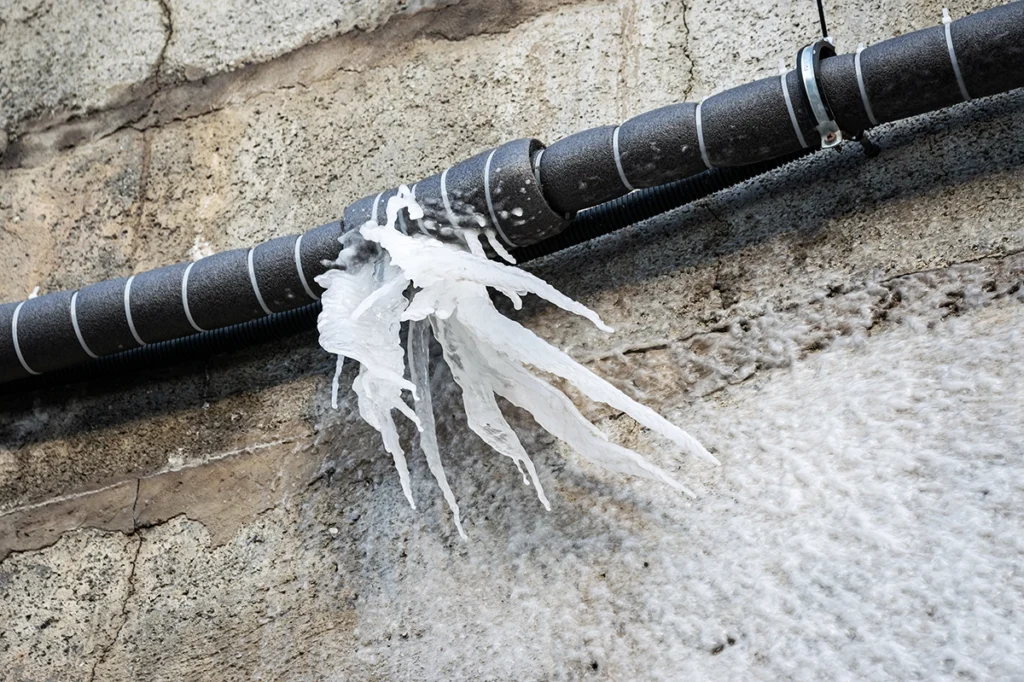
Blocked discharge piping: A frozen, clogged, or damaged discharge line can restrict water flow. As a result, the pump may run without lowering the basin’s water level effectively.
Mechanical wear: Worn bearings, damaged impellers, or electrical motor problems can reduce pumping performance or cause complete failure.
Backup battery problems: Some sump pump systems trigger alerts when the backup battery loses charge or requires maintenance.
Older pumps may become less reliable as their components wear. Understanding how long sump pumps last can help you recognize when replacement may be appropriate.
Our technicians inspect the relevant components and test pump operation to identify the problem. We also check whether the pump and drainage system can handle the amount of incoming water.
Identifying the actual cause helps restore reliable operation without replacing functioning components unnecessarily.
Is a Sump Pump Alarm an Emergency?
A sump pump alarm deserves prompt attention, but not every alert indicates an immediate flooding emergency. The urgency depends on what triggered the alarm, the water level inside the basin, and whether the pump continues operating.
If your sump pump alarm goes off, start by identifying the warning displayed by your system. Some alarms indicate high water, while others signal power interruptions or backup battery problems.
Next, check the basin’s water level from a safe location. If water continues rising toward the top of the pit, you may need emergency plumbing assistance.
Never enter standing water near electrical equipment or attempt to handle submerged electrical connections.
The Federal Emergency Management Agency (FEMA) recommends installing a sump pump with battery backup to help protect against flooding during power failures. Backup systems can provide additional protection when the primary pump loses power.
If the alarm indicates a low battery but the primary pump operates normally, the situation may be less urgent. However, the backup system still needs attention to maintain reliable protection.
When an alarm accompanies rising water, a stopped pump, or active flooding, contact a licensed plumber promptly. Understanding when to request weekend emergency plumbing service can also help you prepare for unexpected situations outside regular business hours.
Even if the alarm stops, monitor the system and investigate why it sounded. Addressing the underlying problem can help reduce the risk of another alarm or unexpected pump failure.
When to Call Efficiency Plumbing
If your sump pump alarm keeps sounding, the water level continues rising, or the pump isn’t operating properly, it’s time to contact a professional. These symptoms may indicate a failing pump, electrical problem, blocked discharge line, or malfunctioning alarm sensor.
Even when the water level returns to normal, repeated alerts deserve attention. Identifying the cause can help reduce the risk of unexpected basement flooding.
At Efficiency Plumbing, Heating & Air, we help homeowners throughout Hanover, MA, identify plumbing and drainage problems. Our professional plumbing services include evaluating drainage concerns and recommending appropriate solutions.
When inspecting a sump pump system, our technicians can check the pump motor, float switches, check valve, and discharge piping. We also evaluate the electrical supply and alarm operation to determine why the warning occurred.
Whether your sump pump alarm indicates rising water or another equipment problem, our goal is to identify the cause and recommend reliable repairs.
Don’t wait until a malfunctioning pump leaves your basement vulnerable to water damage. Contact Efficiency Plumbing, Heating & Air to schedule an inspection or discuss an urgent sump pump problem.
Our team can help you understand what needs attention and determine the next appropriate step.
Frequently Asked Questions
Can I turn off my sump pump alarm if the water level looks normal?
You can usually silence the audible alarm after checking what triggered it, following the manufacturer’s instructions. However, don’t ignore an unresolved warning. Some alarms indicate battery problems or power interruptions rather than high water. If the alert continues or returns, contact a professional to inspect the system.
Why does my sump pump alarm keep going off during heavy rain?
Heavy rainfall can increase groundwater entering your sump basin. If the pump cannot remove water quickly enough, the high-water alarm may activate. Possible causes include excessive inflow, discharge restrictions, or reduced pump performance. A professional inspection can determine whether the system needs repairs or additional pumping capacity.
What should I watch for before calling a plumber about a sump pump alarm?
Check the alarm display for warning messages and observe the water level from a safe location. Note whether the pump appears to be running and whether water continues rising. You can also check for visible power interruptions without touching electrical components. Share these observations with your plumber to help identify the problem.
How quickly do I need to act when the sump pump alarm goes off?
Check the alarm promptly to determine what triggered it. Rising water, active flooding, or a pump that won’t operate may require urgent professional assistance. A low-battery warning may be less immediate, but you should still address it. Never ignore repeated alarms, even when the water level appears normal.