You walk down to the basement after a heavy rain. You hear the sump pump kick on like it’s supposed to. Then you wonder whether the unit is getting old. How long do sump pumps last before they leave you with a flooded basement?
Most sump pumps are built to run for seven to ten years under normal conditions. That lifespan assumes the pump isn’t working overtime against upstream problems. Issues like undersized discharge lines, electrical supply problems, or a basin that fills too fast can shorten pump life.
When homeowners come to us at Efficiency Plumbing asking for a replacement pump, we often find the real problem isn’t age. Instead, the pump has been fighting a chronic drainage restriction, voltage drop, or debris buildup. Those conditions wore it out years early and will do the same to the next one if a licensed professional doesn’t address the root cause first. Understanding how long do sump pumps last under different conditions helps you recognize when your system needs professional attention.
How Long Do Sump Pumps Last?
Yet many fail much earlier—not because the pump itself is defective, but because an underlying problem is forcing it to work harder than it should. When you notice your sump pump cycling constantly, making unusual grinding sounds, or leaving water pooled in your basement, the pump may be showing symptoms of a larger issue. That issue has often been wearing it down for months or even years.
The typical failure happens when the pump has been overworked. Frequent power interruptions, a clogged discharge line, an undersized basin, or debris entering the pit and jamming the impeller (the spinning part that moves water out) all create stress. Each of these conditions shortens the pump’s lifespan by forcing the motor to run longer cycles, overheat, or strain against blockages. A pump replaced without addressing why it failed will usually fail again within the same shortened window. Sometimes it takes your float switch or check valve with it.
We see this pattern constantly: a homeowner replaces the pump, only to call us a year later when the new one quits. During our diagnostic visit, we inspect the electrical supply and check the discharge and vent lines for restrictions. We also measure the basin size and inflow rate, then look for signs that the system was never matched to your home’s drainage needs. Finding and fixing the root cause means your next pump will actually reach—or exceed—that seven-to-ten-year mark. Without that fix, the new unit burns out prematurely and leaves you with crawl space sump pump problems.
What Causes Sump Pumps to Fail Early
Most homeowners assume a failed sump pump simply wore out. In reality, the pump itself is rarely the real problem. In nearly every case we investigate, the pump failed because something upstream caused it to work too hard, run too often, or operate under the wrong conditions. When you replace only the pump without fixing the actual cause, the new unit fails just as quickly. Many homeowners ask how long do sump pumps last, but the answer depends entirely on whether these underlying issues are resolved.
The most common culprits include:
- Electrical supply problems: A pump that doesn’t receive consistent voltage will cycle erratically and overheat the motor windings.
- Drainage restrictions: A clogged discharge line forces the pump to run against back-pressure, which burns out the impeller and seals.
- Improper sizing: A pump that’s too small for the volume of groundwater cycles constantly and wears out bearings and seals in months instead of years. An oversized pump short-cycles, turning on and off dozens of times per hour, which strains the motor starter and capacitor.
- Undersized basin: If the pit fills faster than the pump can empty it, the float switch stays engaged and the motor never gets a break to cool down.
- Sediment and debris: Material that enters an open or improperly screened pit clogs the impeller and intake, forcing the motor to labor.
When our licensed plumbers respond to a sump pump failure, we check the electrical circuit for voltage drop and proper grounding. We inspect the discharge line for clogs and freeze damage, measure the basin’s fill rate, and verify that the pump matches the home’s drainage load. Only after we identify the root cause do we recommend repair or replacement.
Signs Your Sump Pump Is Wearing Out
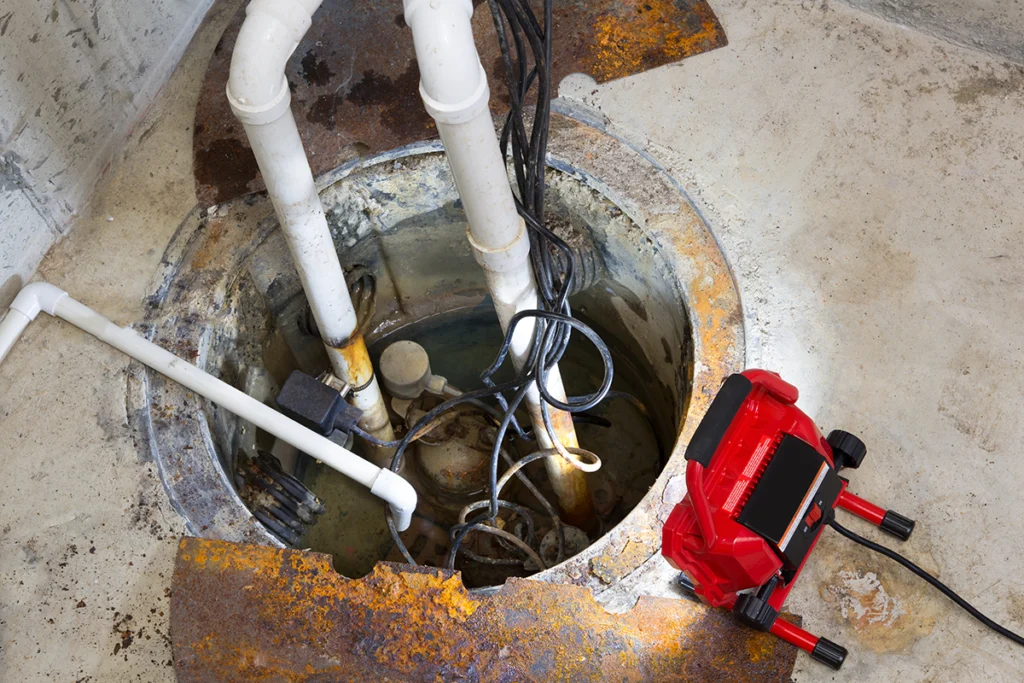
Catching wear early can save you from a flooded basement. If you hear loud rattling, grinding, or screeching when the pump runs, the motor bearings or impeller (the spinning blade that moves water) are likely failing. Strange noises don’t fix themselves. They get worse under load until the pump stops entirely.
Watch for irregular cycling, too. A pump that turns on and off every few minutes, even in dry weather, may have a stuck float switch or a check valve that’s letting water fall back into the pit. Constant short cycles overheat the motor and shorten the sump pump’s lifespan dramatically. On the other end, a pump that runs nonstop is fighting a losing battle. Either the discharge line is clogged, the pump is too small for the inflow, or the unit has lost its ability to move water efficiently.
Visible rust on the pump housing, frequent tripped breakers, or water that drains slower than it used to are all red flags. When you spot any of these symptoms, reach out to Efficiency Plumbing. We’ll inspect the pump, the basin, the float mechanism, and the discharge system to find the root cause before a failure leaves you with standing water and damage.
When to Call for Sump Pump Service
If your sump pump is running constantly without shutting off, making loud grinding or rattling noises, or visibly vibrating more than usual, call us right away. These symptoms often point to a failing motor, a stuck float switch, or an underlying electrical problem. Left unchecked, any of these issues can burn out the unit completely. Standing water in the pit after a rain event, unusual odors, or rust forming on the pump housing are also red flags that need professional diagnosis.
When you schedule a visit with Efficiency Plumbing, our licensed technicians will inspect the pump, the discharge line, the check valve, and the electrical supply to identify the root cause—not just the symptom. We’ll test the float, check for blockages, and measure voltage and amperage. We’ll also confirm that the system is properly sized for your basement’s drainage needs. Because we’re insured and stand behind our work with a workmanship warranty, you get the peace of mind that comes from having it done right the first time.
Don’t wait for water damage to force the call. Reach out to Efficiency Plumbing in Hanover, MA to schedule an inspection. We’ll make sure your sump pump keeps doing its job for years to come.
Frequently Asked Questions
How long do sump pumps typically last in a home?
Most sump pumps last seven to ten years under normal conditions. Yet many fail earlier when forced to work against drainage restrictions, electrical supply issues, or chronic debris buildup. When our licensed plumbers inspect a failing pump, we look for the upstream cause. That way, your replacement actually reaches its full lifespan instead of burning out prematurely.
What shortens a sump pump’s lifespan the most?
Electrical supply problems, clogged discharge lines, and improper sizing are the three biggest lifespan killers we see. A pump running on inconsistent voltage overheats. A clogged discharge forces the motor to strain. A mismatched pump cycles constantly. Each of these issues wears out bearings, seals, and motor windings years ahead of schedule.
How often should I have my sump pump inspected?
We recommend scheduling a professional inspection at least once a year, ideally before your region’s heavy rain season begins. Our technicians test the float switch and check the electrical circuit for voltage drop. We also inspect the discharge line for blockages and verify the pump matches your home’s drainage load. Annual maintenance catches small issues before they become expensive failures.
Can a sump pump last longer than ten years?
Yes, a properly sized pump with clean power, an unrestricted discharge line, and regular maintenance can exceed ten years. We’ve seen well-maintained units in Hanover reach twelve or even fifteen years because they were never forced to work overtime against hidden drainage or electrical problems. When the system is sized and installed correctly from the start, longevity follows naturally.