Summer on the South Shore has a rhythm to it. The days get long, the humidity settles in off the water, and homes fill up with kids, cookouts, and weekend guests. Your plumbing feels all of that. It works harder in July and August than almost any other stretch of the year, and the warm, wet coastal air adds its own quiet stress on pipes, water heaters, and drains. These summer plumbing tips come straight from the field, from years of working in Hanover and the towns around it, and they are meant to help you head off the small problems before they turn into a soaked basement or a ruined holiday weekend. None of this is about spending money you don’t need to spend. It is about knowing your own house a little better.
We serve a lot of older homes here. Many houses in Hanover, Norwell, Hingham, and Pembroke were built decades ago, sometimes generations ago, and the plumbing has quietly aged right along with them. Add coastal humidity and a busy summer season, and you get conditions that expose weak spots. The good news is that most of what goes wrong in summer is predictable, and a homeowner who knows what to watch for can stay ahead of it.
Why Summer Plumbing Tips Matter for South Shore Homes
People tend to think of winter as the hard season for pipes, and around here it certainly is. But summer brings its own set of challenges, and they sneak up on you because the weather feels easy. Warm ground temperatures speed up the growth of tree roots reaching toward your sewer line. Sudden heavy downpours, the kind we get rolling in off the coast, can overwhelm a sump pump or push groundwater into a basement. Longer days mean more showers, more laundry, more dishes, and more demand on a water heater that may already be tired.
Coastal air matters too. The salt-tinged humidity that hangs over Scituate, Marshfield, and the shoreline neighborhoods can accelerate corrosion on exposed fittings, hose bibs, and older galvanized pipe. You will not see most of this happening. It works slowly, out of sight, until a fitting weeps or a valve stops turning. That is exactly why a little summer attention pays off. Walk your house once, know what normal looks like, and you will notice the moment something changes.
Summer Plumbing Tips for Spigots, Hose Bibs, and Irrigation
Summer is when your outdoor plumbing finally goes to work, and it is also where a lot of hidden leaks live. The hose bib, that spigot on the side of your house, takes a beating. It sits exposed to weather all year, and the washers and valve seats inside wear out. When you first turn it on in the warm months, watch and listen.
Check for the Quiet Leaks
- Turn the spigot on full, then put your thumb partly over the opening. If water pushes back around the handle or the stem, the internal washer is worn.
- Feel the wall or foundation below the spigot after running it. Dampness where there should be none can mean the pipe behind the siding is leaking inside the wall.
- Look at any hose connections for a steady drip. A slow drip you ignore in June becomes a rotted sill or a mildew problem by August in this humidity.
The U.S. Environmental Protection Agency’s WaterSense program encourages homeowners to keep checking for leaks inside and outside the home throughout the year. Inspecting your spigots, hoses, and irrigation system at the start of summer can help you catch wasted water before it affects your property or utility bills.
If you have an irrigation or sprinkler system, summer is its heavy season. Walk the zones and watch each head pop up and run. A head that geysers, a soggy patch of lawn that never dries, or a sudden drop in pressure across the yard usually means a cracked line or a stuck valve underground. Fixing it early keeps your water bill sane and your lawn from drowning. Most sprinkler systems also tie into your home’s supply through a backflow preventer, and that device is there to keep lawn water and fertilizer from ever flowing back into your drinking water. If it looks corroded or is dripping, do not ignore it.
Summer Plumbing Tips for Water Heater Care
The water heater is one of the most overlooked appliances in the house, and summer is a smart time to give it attention. You may be using it differently now. School is out, guests come and go, and many South Shore families take a week away.
Use vacation mode before you leave
If you are heading to the Cape or off to visit family, most tank water heaters have a vacation or low setting. Turning it down while nobody is home means the unit is not heating an empty house’s worth of water for a week. Just remember to turn it back up when you return, and give it an hour or so before you expect a hot shower.
Deal with sediment buildup
Over years, minerals in the water settle to the bottom of a tank water heater as sediment. You may hear it as popping or rumbling when the burner fires. That layer makes the heater work harder and shortens its life. Draining a few gallons from the tank’s bottom valve once a year helps clear it out. If you have never done this and your heater is older, it is worth having a professional handle the first flush, because an old drain valve can stick or fail.
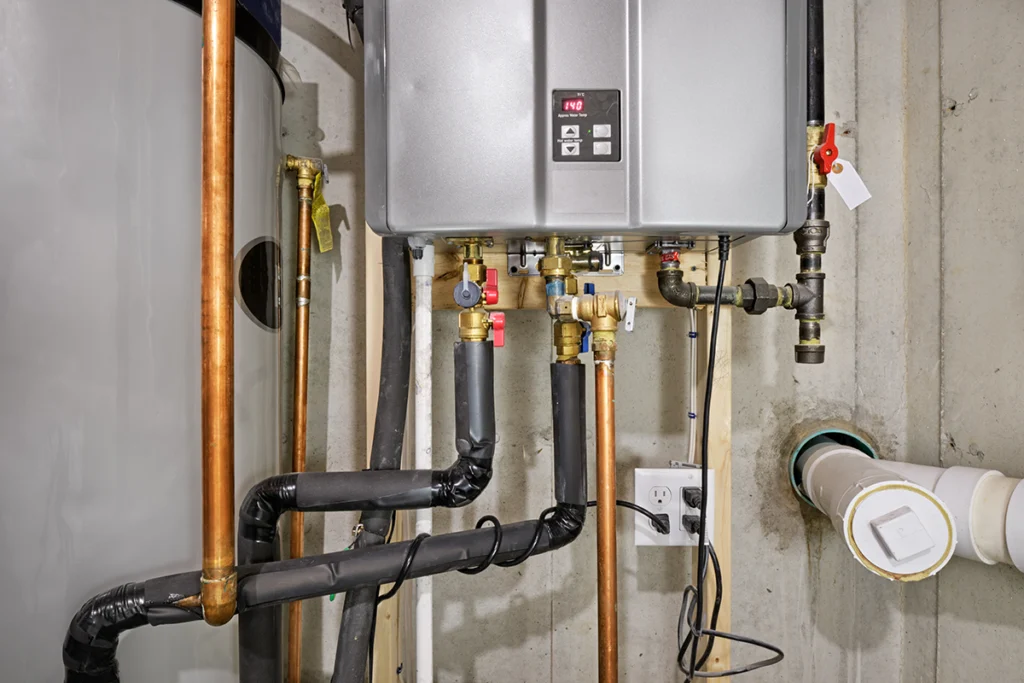
If you have moved to a tankless unit, or you are thinking about it, summer is a fine time to service it. Tankless heaters still collect mineral scale on their heat exchanger, especially in areas with harder water, and they run best with periodic descaling. Our tankless water heater service keeps those units running efficiently so you are not caught short on hot water when the house is full.
Summer Plumbing Tips for Your Kitchen and Garbage Disposal
Summer is cookout season, and the kitchen sink pays the price. Between corn husks, watermelon rinds, burger grease, and a sink full of dishes after a backyard party, your disposal and drain lines are handling more than usual. A few habits keep the kitchen flowing.
- Never pour grease or oil down the drain. It looks liquid when it is warm, then it congeals in the pipe and grabs everything that comes after it. Pour it into a can and throw it away once it cools.
- Keep fibrous and starchy scraps out of the disposal. Corn husks, celery, potato peels, and pasta are the usual culprits. They wrap the blades or swell in the trap.
- Run cold water before, during, and for a good fifteen seconds after you use the disposal. Cold water keeps fats solid so they move through instead of coating the pipe.
- Freshen the disposal with a handful of ice and some citrus peel. The ice knocks debris off the grind ring and the citrus cuts the smell that summer heat makes worse.
If the sink is draining slowly no matter what you do, the clog is likely further down the line than the disposal, and forcing more water at it will not help. That is a good moment to bring in professional drain cleaning before a slow drain becomes a full stoppage during a house full of guests.
Summer Plumbing Tips for Sump Pumps and Heavy Storms
People associate sump pumps with spring melt, but our worst basement floods often come from summer thunderstorms. A fast, heavy downpour can dump more water into the ground in an hour than a slow spring thaw does in a day, and that water heads straight for the lowest point it can find. If your sump pump is not ready, you find out the hard way.
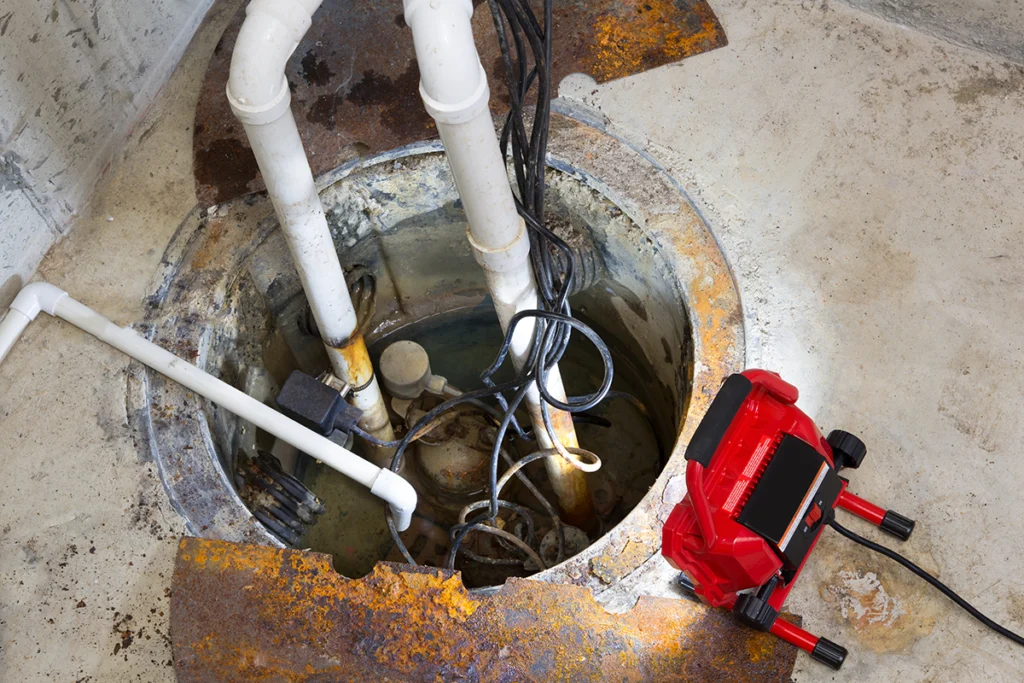
Testing a sump pump is simple and takes five minutes. Lift the float by hand or pour a bucket of water into the pit until the float rises. The pump should kick on, move the water out, and shut off cleanly. If it hums without pumping, cycles oddly, or does not start at all, it needs attention before the next storm rolls through.
Things Worth Checking Before Storm Season Peaks
- Make sure the discharge line outside is clear and directs water well away from the foundation, not into a puddle that seeps right back in.
- Clear any debris or silt from the sump pit so the float can move freely.
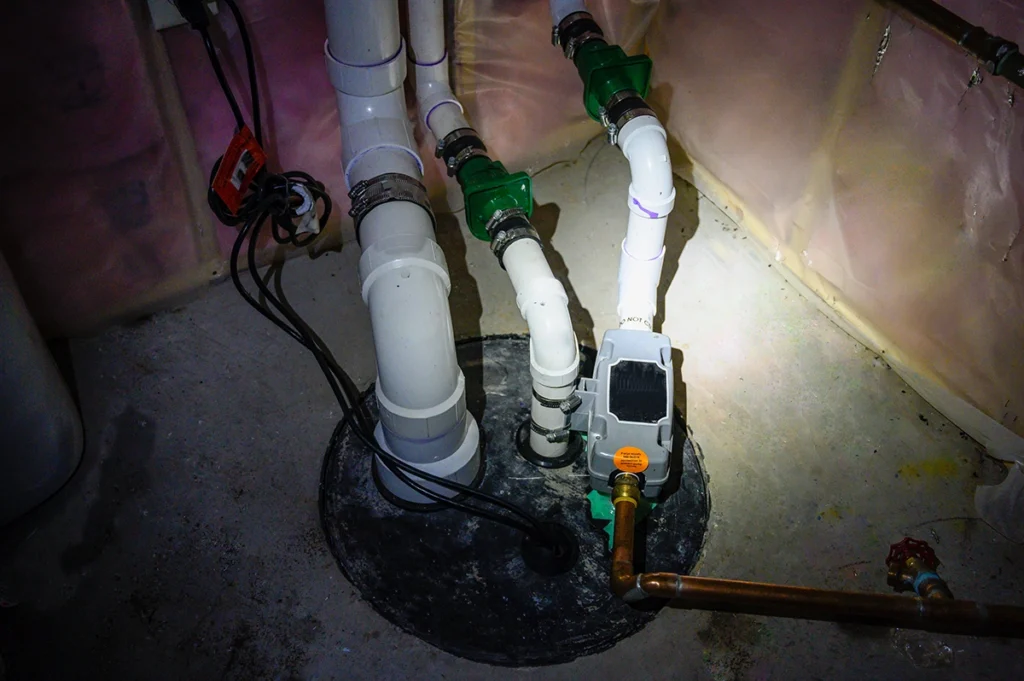
- Consider whether you have a battery backup. Summer storms are exactly when the power tends to go out, and a pump with no power is just a decoration in the floor.
Ready.gov recommends considering a sump pump with a battery backup as part of preparing a home for possible flooding. Backup power can keep the pump operating when a severe storm causes an electrical outage.
Homes near the coast in Marshfield and Scituate, and low-lying spots throughout Weymouth and Hingham, are especially worth watching. If your basement has ever taken on water, do not wait for the next big rain to find out whether last year’s fix held.
Summer Plumbing Tips for Sump Pumps and Heavy Storms
Summer is prime growing season, and that includes the roots of every mature tree in your yard. Roots are relentless in their search for water, and a sewer line carrying warm waste water is a beacon to them. They find the smallest crack or loose joint in an older clay or cast iron line, work their way in, and grow into a mat that catches everything flushed down the house.
The warning signs build slowly. You might notice a gurgle in a drain when the washing machine empties, a toilet that bubbles when you run the tub, or a faint sewage smell in the yard over the line. Multiple slow drains at once, especially on the lowest level of the house, point to the main sewer line rather than a single fixture.
Heavy summer rain makes this worse. When the ground is saturated, groundwater can seep into a compromised sewer line and overwhelm it, and that is when a backup shows up in the basement floor drain. Older homes across the South Shore are the usual candidates because their lines have had decades for roots to find them. If you are seeing these signs, professional sewer line repair can locate the exact problem with a camera and address the root intrusion before you have raw sewage backing up into the house.
More Guests, More Laundry, More Demand
A summer house is a busy house. Kids are home all day, extended family visits, and the beach towels and swimsuits pile up faster than anyone expects. Your plumbing system was sized for your normal household, not for a full house running back-to-back showers and three loads of laundry on a Saturday.
That extra demand exposes weak spots. A toilet that runs a little longer than it should, a shower valve that has been temperamental, a drain that has always been a touch slow, all of these get pushed harder and are more likely to fail when the house is at capacity. Before a big weekend or a stretch of visitors, it is worth walking through and testing the fixtures you rely on most.
Toilets deserve special mention because a guest bathroom toilet that starts acting up at the worst moment is a classic summer headache. If a toilet is weak, slow to clear, or keeps clogging, do not just keep plunging it. There is often an underlying reason, and our guide on what to do when your toilet is not flushing walks through the common causes so you can tell a simple fix from a real problem.
Laundry adds load too. Check the rubber supply hoses behind the washing machine while you are back there. In a warm, humid basement or utility room, old hoses degrade and bulge, and a burst washer hose can put out an astonishing amount of water in a short time. Braided stainless hoses are a small, sensible upgrade that a lot of South Shore homes are overdue for.
Warning Signs You Should Call a Plumber
Part of good summer plumbing is knowing the difference between something you can watch and something that needs a professional now. A homeowner who acts on the early signs almost always ends up with a smaller, simpler repair. Here are the signals worth taking seriously.
- Water where it should not be. A damp spot on a ceiling, a warm patch on a concrete floor, or a foundation wall that is wet with no rain all point to a hidden leak. A warm floor in particular can signal a hot water line leaking under a slab.
- A spike in water use you cannot explain. If your meter is climbing and nothing has changed in your habits, water is going somewhere it should not.
- Multiple slow or gurgling drains. One slow sink is local. Several at once, especially with gurgling, usually means the main line.
- Discolored water or a sudden pressure drop. Rusty water or weak pressure across the whole house can point to aging pipe or a supply problem.
- Sounds and smells. Rumbling from the water heater, running water inside walls, or a sewage odor are all your house telling you something.
If you have a slab foundation and notice that warm spot on the floor, unexplained moisture, or the sound of running water with everything shut off, do not wait. That pattern often means a line has failed beneath the concrete, and prompt slab leak repair prevents a small leak from undermining your foundation and rotting the structure around it.
Summer Plumbing Tips for Older South Shore Homes
Plumbing advice that ignores where you actually live is not worth much. The South Shore has its own character, and your home reflects it. Here is what we keep in mind when we work in Hanover, Norwell, Pembroke, and the surrounding towns.
Older homes carry older plumbing
A lot of the housing stock here has been around a long time, and it may still have galvanized steel supply lines, older cast iron drains, or fixtures and shutoff valves that have not been turned in years. Galvanized pipe corrodes from the inside, narrowing over time until pressure suffers and rusty water appears. Old shutoff valves seize, which becomes a real problem in an emergency when you need to stop the water fast. A summer walkthrough is a good time to gently confirm that your main shutoff and your under-sink valves still turn. If they do not, that is worth addressing before you actually need them.
Coastal humidity and salt air
Homes closer to the water in Scituate, Marshfield, Hingham, and along the Weymouth shoreline deal with salt-laden air that speeds up corrosion on any exposed metal. Check basement pipe hangers, exposed fittings, and outdoor hardware for rust and crumbling. Basements here also run humid in summer, which invites mold around any slow leak or sweating pipe. Insulating cold water lines that drip with condensation keeps that moisture down and your basement healthier.
Comfort habits that reduce summer strain
Not everything about a comfortable summer home is strictly plumbing, but the small habits work together. Simple energy-smart moves like adjusting your ceiling fan direction for summer help your whole house handle the heat more evenly, which in turn keeps utility systems from overworking during the hottest stretches. A house that runs a little cooler and steadier is easier on everything in it.
A Simple Checklist of Summer Plumbing Tips
If you do nothing else, run through this short list once at the start of the season. These summer plumbing tips take an afternoon and can save you a very bad weekend.
- Turn on and inspect every outdoor spigot and hose bib for leaks or weak handles.
- Walk your irrigation zones and watch for soggy spots or weak heads.
- Test your sump pump and confirm the discharge line runs well away from the foundation.
- Set your water heater to vacation mode before any trip, and consider a sediment flush.
- Check the washing machine hoses for bulges, cracks, or corrosion.
- Confirm your main water shutoff and fixture valves still turn freely.
- Watch your most-used drains and toilets before a house full of guests arrives.
Ready When You Need Us
A good summer at home on the South Shore is one where the plumbing simply does its job and you barely think about it. These summer plumbing tips are meant to help you keep it that way, to catch the small things early and know when a problem has grown past a DIY fix. Your house talks to you through slow drains, damp spots, odd sounds, and stubborn fixtures. Learning to listen is half the battle.
When you do need a hand, whether it is a stubborn drain before a party, a sewer line acting up after a storm, a tired water heater, or anything that just does not feel right, we are local and we know these homes. Efficiency Plumbing is based right here in Hanover and serves homeowners across Hingham, Norwell, Pembroke, Marshfield, Scituate, Weymouth, and the rest of the South Shore. Reach out to Efficiency Plumbing anytime, and we will help you get your home summer-ready and keep it running through the busy season.
Summer Plumbing Tips: Frequently Asked Questions
Why do my drains seem slower in the summer?
A few things stack up. Cookout season sends more grease and food scraps down the kitchen line, more guests mean heavier use everywhere, and warm ground speeds up tree root growth into older sewer lines. If only one fixture is slow, it is usually a local clog. If several drains slow down or gurgle at once, the main line likely needs attention.
Should I really turn my water heater down when I go on vacation?
Yes, if you will be gone more than a day or two. Most tank heaters have a vacation setting that keeps the tank from fully heating an empty house’s worth of water while nobody is using it. Turn it back up when you get home and give it about an hour before you expect hot water. It is an easy habit that eases the load on an appliance that already works hard in summer.
How do I know if tree roots are getting into my sewer line?
The early clues are subtle. Listen for gurgling drains, watch for a toilet that bubbles when you run the tub or washer, and notice any faint sewage smell in the yard. Repeated backups on the lowest level of the house are a stronger sign. A camera inspection is the only way to confirm it, and it shows exactly where the intrusion is so the repair is precise.
My basement floods during heavy summer storms. Is that a plumbing issue?
It can be. A sump pump that is not working, a discharge line that dumps water right back at the foundation, or a compromised sewer line that lets groundwater in during saturated conditions can all cause it. Testing the sump pump and checking the discharge routing is the place to start. If water is coming up through a floor drain, that points to the main line rather than groundwater alone.
Is it worth checking plumbing in an older South Shore home even if nothing seems wrong?
It is. Many homes in Hanover and the surrounding towns have aging galvanized pipe, old cast iron drains, and shutoff valves that have not moved in years. Problems in these systems develop out of sight and give little warning. A short seasonal walkthrough, confirming valves turn and looking for corrosion or damp spots, lets you catch trouble while it is still small and manageable.